
Sleeping in Your Van: Should You Answer the Knock on the Door?
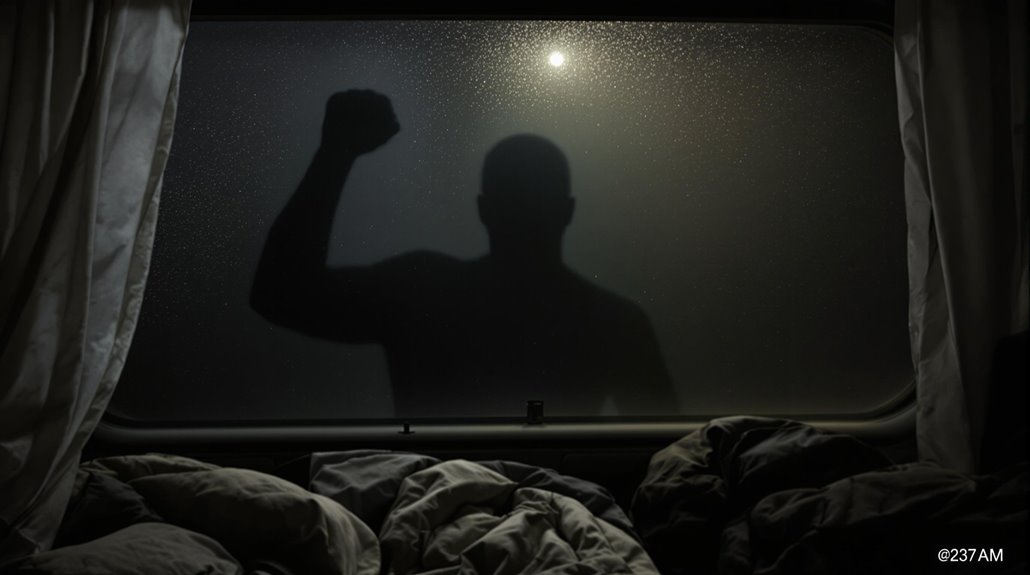
When you hear a knock on your van door while sleeping, you don't need to answer it unless it's clearly identified law enforcement with a legitimate reason to contact you. First, stay quiet and carefully assess the situation through your windows without being seen. Trust your instincts if something feels off. You have the right to remain silent and decline unwanted interactions when legally parked. If it's law enforcement, request to see official identification and communicate through closed windows until verified. Having a response plan and preventive measures in place will help you handle these situations with confidence and safety.
Assess the Situation First
A sudden knock on your van's door can be startling when you're sleeping inside. Before taking any action, pause and carefully assess the situation. If someone's at your door, make sure you gather as much information as possible about who's outside and what they want.
Look through your windows if possible, but avoid being seen. Listen carefully to any voices or conversations. If someone claims to be law enforcement, they should clearly announce themselves and their purpose. Don't immediately open the door - request to see official identification first, which they can hold up to a window. If they're legitimate authorities, they'll understand and comply with this safety measure.
If the knock on your door comes from someone who won't identify themselves or seems suspicious, remain quiet and observe. Keep your phone ready to call emergency services if needed. Trust your instincts - if something doesn't feel right, it probably isn't. Remember that you're not obligated to open the door unless the person outside is a verified authority figure with a legitimate reason to contact you.
Trust Your Gut Instincts
Your gut instincts serve as a built-in warning system when living on the road, often alerting you to potential dangers before your conscious mind can process them. When you hear knocking on your door late at night, your initial reaction might be to ignore these instinctual warnings due to social pressure or fear of appearing rude. However, it's essential to acknowledge and trust these protective impulses.
If you're feeling uneasy about an unexpected visitor, don't feel obligated to answer the door. Your survival instincts have evolved over millions of years to protect you from harm, and they're particularly important when you're vulnerable while sleeping in your van. Stay quiet and observe the situation if something doesn't feel right. You can always apologize later for not responding, but you can't undo a dangerous encounter.
Practice mentally running through different scenarios and responses to build confidence in your decision-making abilities. Remember that you're not being paranoid by prioritizing your safety - you're being smart and self-aware. Understanding your physical and psychological limitations will help you make better choices when faced with uncertain situations.
Know Your Legal Rights
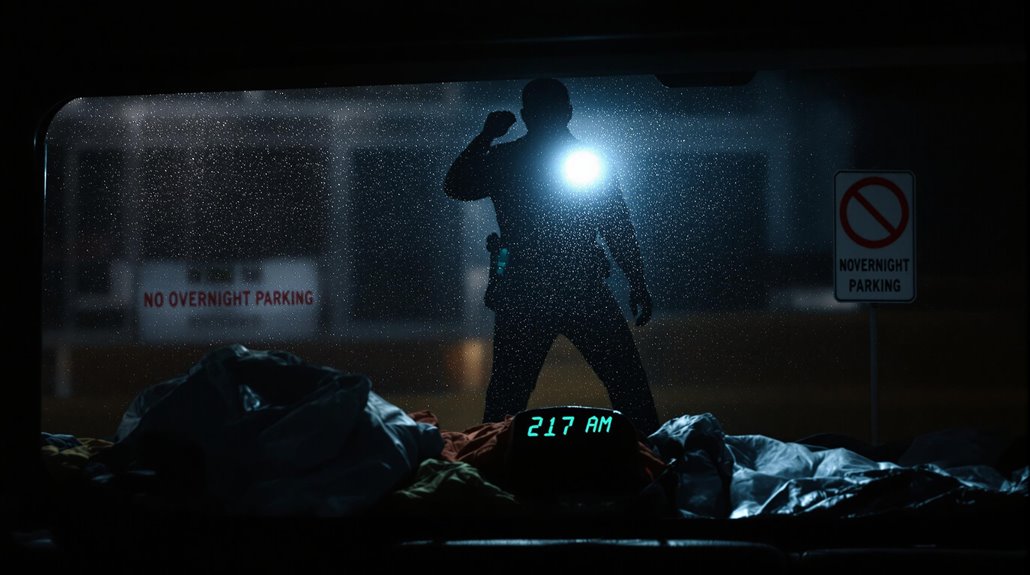
While trusting your instincts helps keep you safe, knowing your legal rights provides an additional layer of protection when living in a van. Over time, I've found that understanding local regulations about sleeping in parking lots and overnight parking can help you confidently handle interactions with law enforcement or park rangers every night.
Remember these key legal rights when sleeping in your van:
- You're not legally required to answer a knock on your door when legally parked, though being cooperative often prevents unnecessary escalation
- You can politely decline unwanted interactions while still maintaining a respectful demeanor with officials
- Local regulations vary considerably, so research and document the specific rules for areas where you plan to park
- You have the right to record interactions with law enforcement, but always inform them if you choose to do so
Safe Response Protocols
Consistently maintaining clear response protocols can make a significant difference when someone approaches your van at night. You'll need to decide ahead of time how you'll handle various scenarios, from concerned citizens to police officers checking on your vehicle.
If law enforcement knocks, stay calm and remember you're not obligated to physically open the door. You can communicate through the window or door while remaining inside. Identify yourself clearly and ask for the officer's name and badge number. Keep your hands visible if you're speaking through a window.
When non-law enforcement individuals approach, it's generally safest not to engage at all. Don't acknowledge their presence or open any doors or windows. If they persist, use your horn or alarm system to draw attention to the situation. You might also consider calling local law enforcement if you feel threatened.
Always have your keys within reach and be prepared to drive to a safe location if necessary. Keep your phone charged and easily accessible. Document any concerning encounters by noting the time, location, and details of the interaction, especially with law enforcement.
Preventing Unwanted Encounters

Smart preparation typically prevents most unwanted encounters when living in a van. When you welcome van life, you'll quickly learn that avoiding attention is your best defense. I've never had a serious problem while following basic preventive measures, but it's crucial to stay vigilant and maintain awareness of your surroundings at least twice per day.
- Park strategically by choosing well-lit areas near businesses that operate 24/7, like hospitals or certain grocery stores, while avoiding isolated spots that might attract unwanted attention.
- Install blackout curtains and window coverings that prevent anyone from seeing inside while allowing you to maintain visibility of your surroundings.
- Create a consistent rotation of parking locations, never staying in one spot for more than two nights, and always having at least three backup spots ready.
- Maintain a low profile by entering and exiting your van discreetly, keeping noise to a minimum, and avoiding obvious signs of habitation like chairs or cooking equipment outside your vehicle.
These preventive measures help safeguard your safety and minimize the likelihood of dealing with uncomfortable situations.