
Sleep Disturbances in Autistic Children: Practical Tips for Parents
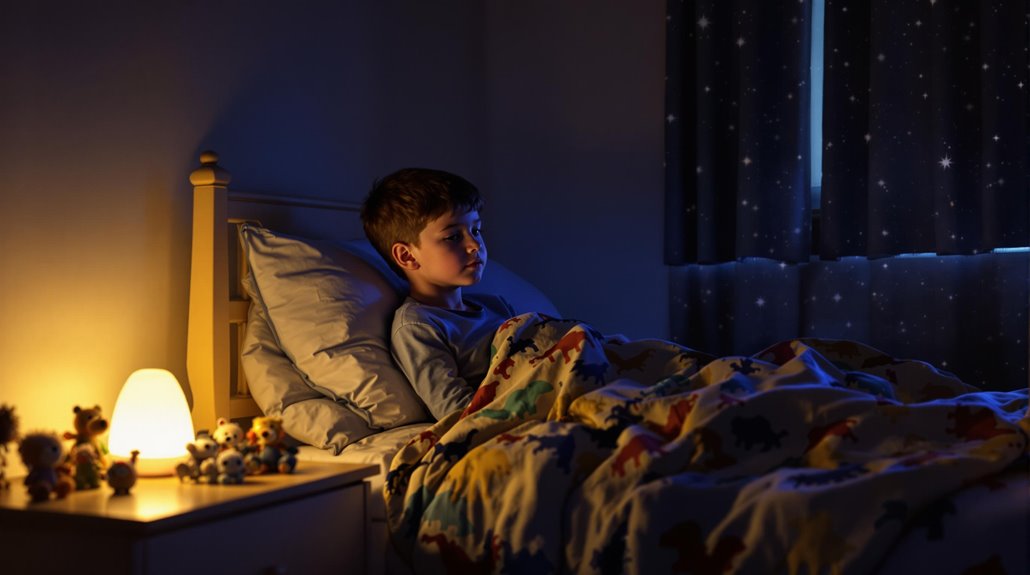
Sleep disturbances in autistic children can be managed through consistent routines and environmental modifications. You'll need to establish fixed bedtimes, create a calming pre-bed routine, and optimize your child's bedroom for sensory comfort. Focus on reducing screen time, maintaining regular exercise during daylight hours, and incorporating soothing activities like weighted blankets or soft music. Consider tracking your child's sleep patterns and working with healthcare providers to address any underlying medical conditions. Natural solutions like proper nutrition, melatonin regulation, and anxiety management techniques can make a significant difference. There's much more to investigate about helping your autistic child achieve better sleep.
Understanding Sleep and Autism
A good night's sleep is fundamental for every child's development, but autistic children often face unique challenges in achieving restful sleep. If you're raising an autistic child, you'll need to understand how sleep patterns can be affected by their condition. Your child's sleep-wake cycle may be irregular due to differences in circadian rhythms, which control when we feel sleepy or alert.
Many autistic children experience sensory sensitivities that can interfere with sleep quality. Sounds, lights, textures, or temperatures that might not bother other children can become significant barriers to rest. These sensitivities often require adaptations to sleep hygiene practices, such as using weighted blankets or adjusting room conditions to create a more comfortable environment.
It's important to recognize that sleep disorders in autistic children can be complex, often influenced by underlying medical conditions like gastrointestinal issues or sleep apnea. Establishing consistent bedtime routines becomes indispensable, as it helps regulate your child's internal clock and creates predictability. Understanding these challenges is your first step toward helping your child achieve better sleep, which directly impacts their daily functioning and overall well-being.
Common Sleep Challenges
Throughout your experience with an autistic child, you'll likely encounter several distinct sleep challenges that can affect both your child's rest and your family's daily routine. Your child may experience irregular sleep patterns, including difficulty falling asleep, frequent night wakings, and significantly reduced sleep duration compared to other children their age.
Common sleep problems you might observe include restless sleep, body-rocking, head-rolling, and in some cases, head-banging behaviors. These sleep issues often stem from various factors, including disrupted circadian rhythm, sensory processing differences, and anxiety. Your child's bedtime routine may be particularly difficult to establish and maintain.
The impact of sleep deprivation can extend beyond nighttime, affecting your child's daytime behavior, emotional regulation, and cognitive functioning. It's important to recognize that underlying medical conditions like sleep apnea, epilepsy, or gastrointestinal issues may contribute to these sleep challenges. Additionally, if your child takes medications, side effects might further complicate their sleep patterns. Understanding these common sleep problems is vital as it helps you identify potential triggers and develop appropriate strategies for better sleep management.
Creating the Perfect Sleep Environment
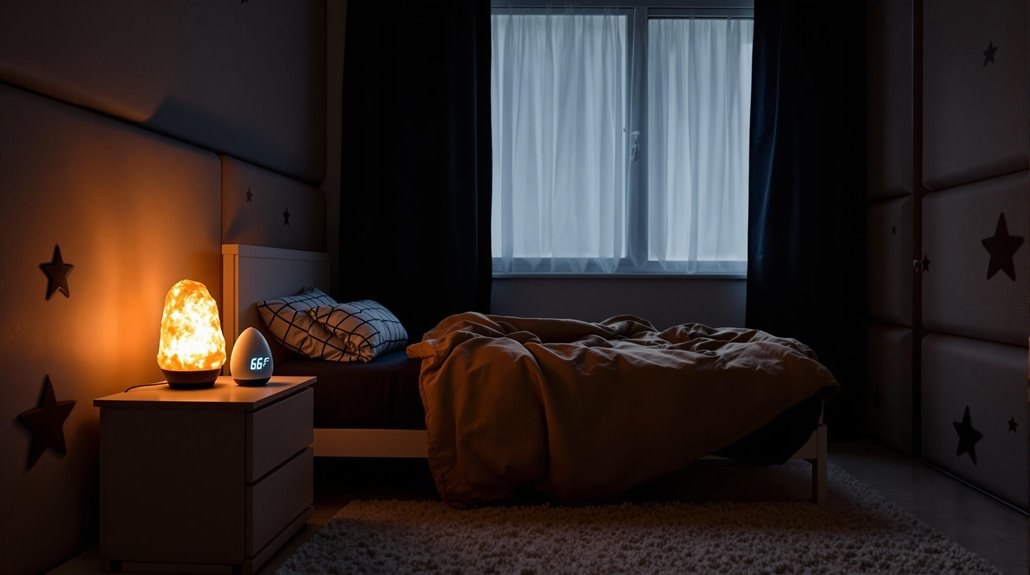
Setting up the ideal sleep environment for your autistic child plays an essential role in promoting restful nights. Start by controlling light exposure using blackout curtains or blinds to create complete darkness, which helps regulate your child's natural sleep-wake cycle. You'll want to maintain a consistent bedroom temperature between 65-67°F, as this range has proven suitable for quality sleep.
Pay special attention to your child's comfort by selecting soft, non-irritating fabrics for both pajamas and bedding. Minimize disruptions by reducing screen time and household noises before bedtime. If external sounds are an issue, consider using white noise to mask disturbing sounds that might interrupt your child's sleep.
Establish a predictable bedtime routine with clear visual cues to help your child understand it's time to wind down. This routine signals their brain that sleep time is approaching. Remember to check that all elements of the sleep environment work together - from the room's lighting and temperature to the bedding's texture. When you create a calm, controlled space that addresses sensory needs, you're setting your child up for better sleep success.
Establishing Bedtime Routines
Creating consistent bedtime routines helps autistic children feel secure and prepared for sleep. To establish a positive bedtime experience, start your routine 30-60 minutes before sleep time, performing the same activities in the same order each night. This predictability can greatly reduce your child's sleep difficulties.
Begin by setting a specific bedtime and wake-up time that you'll maintain even on weekends. Help your child move into bedtime mode with calming activities like a warm bath, gentle stretching, or quiet reading. Consider using visual schedules or timers to make the routine more structured and understandable.
Your child's sleep routine should align with their sensory needs and environment. Include activities that address sensitivities, such as deep pressure massage or weighted blankets if they're helpful. Keep the routine simple and achievable, with 4-6 steps maximum. You might try: changing into pajamas, brushing teeth, reading a story, and saying goodnight.
Remember that establishing a consistent sleep schedule may take several weeks. Stay patient and maintain the routine even when it's challenging, as predictability will ultimately support better sleep patterns.
Managing Sensory Issues

Many autistic children struggle with sensory sensitivities that can make falling asleep particularly challenging. These sensitivities can include reactions to light, sound, temperature, or certain textures in their sleeping environment. You'll need to carefully assess and modify your child's bedroom to create ideal conditions for rest.
Start by addressing environmental triggers. Install blackout curtains to control light exposure, use white noise machines to mask disruptive sounds, and select bedding materials that provide comfort without causing tactile discomfort. You can work with an occupational therapist to identify your child's specific sensory needs and develop targeted solutions.
Consider incorporating calming sensory tools into your child's bedtime routine. A weighted blanket can provide deep pressure that promotes relaxation, while gentle massage or soothing music may help ease the movement to sleep. Remember that what works for one child may not work for another, so you'll need to observe your child's responses and adjust accordingly.
Create a consistent pre-bedtime routine that includes sensory-soothing activities. This might involve dimming lights gradually, using calming scents, or engaging in quiet activities that help your child decompress from the day's sensory experiences.
Dietary Considerations and Sleep
While nutrition plays an indispensable role in everyone's sleep quality, it's particularly essential for autistic children who may be more sensitive to dietary influences. You'll need to be mindful of certain foods and drinks that can disrupt your child's sleep patterns, particularly caffeine, sugar, and processed foods. It's best to eliminate these substances, especially in the hours leading up to bedtime.
To promote better sleep, focus on incorporating foods rich in sleep-supporting nutrients. Including sources of magnesium, calcium, and omega-3 fatty acids in your child's diet can help establish healthier sleep patterns. However, don't make dietary changes without consulting a qualified nutritionist who can provide guidance customized to your child's specific needs.
Establishing a consistent mealtime routine is equally important. You'll want to avoid serving large meals close to bedtime, as this can interfere with sleep quality. Additionally, pay attention to any food sensitivities your child may have, as these can cause gastrointestinal discomfort and disturb sleep. If you notice certain foods affecting your child's sleep, work with healthcare providers to identify and eliminate problematic items from their diet.
Exercise and Physical Activity
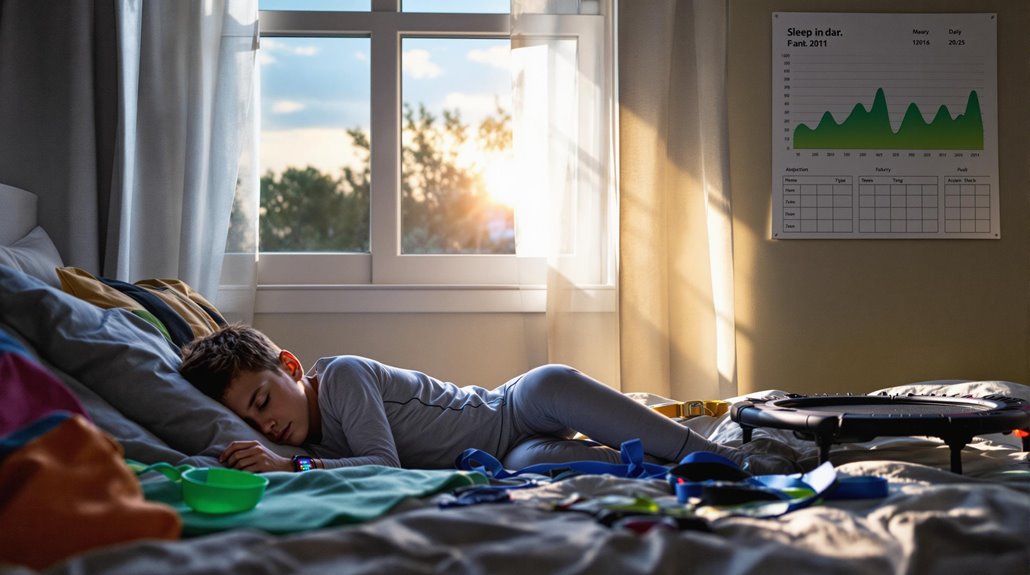
Physical activity's impact on sleep cannot be overstated for autistic children. Regular movement throughout the day directly influences both sleep quality and sleep duration, making it an essential component of managing sleep disturbances. When your child engages in physical activity, particularly outdoors, they'll benefit from natural light exposure that helps regulate their circadian rhythm.
To maximize the benefits of exercise for your child's sleep:
- Schedule active playtime during daylight hours, incorporating activities like swimming or trampoline jumping that provide both movement and sensory regulation
- Reduce screen time and sedentary behaviors in the evening hours, replacing them with gentle physical activities that promote relaxation
- Plan moderate exercise sessions at least 2-3 hours before bedtime to allow your child's body temperature and energy levels to normalize
Remember that autism-friendly physical activities don't need to be structured or complex. Simple activities like walking, playing in the backyard, or dancing can considerably improve your child's sleep patterns. The key is maintaining consistent daily movement while being mindful of timing and intensity, especially as bedtime approaches.
Anxiety Management Strategies
Anxiety can substantially impact your autistic child's ability to fall and stay asleep. Managing anxiety effectively requires implementing targeted strategies that help your child feel secure and calm before bedtime.
Start by introducing relaxation techniques into your child's nightly routine. Simple activities like deep breathing exercises, progressive muscle relaxation, or guided imagery can help reduce anxiety levels. Create a consistent bedtime schedule that includes calming activities such as reading together or listening to soft music, which signals to your child's brain that it's time to wind down.
Pay special attention to your child's sleep environment. Minimize potential anxiety triggers by reducing noise, adjusting lighting, and removing any stimulating elements that might disturb their rest. You'll find that social stories can be particularly effective for autistic children, as they help explain the bedtime process step-by-step, reducing uncertainty and anxiety about what comes next.
If your child continues struggling with anxiety, don't hesitate to work with a mental health professional. They can provide personalized strategies, including cognitive-behavioral therapy or mindfulness techniques, specifically customized to your child's needs and circumstances.
Medical Causes of Sleep Disturbances
Understanding the medical causes behind your autistic child's sleep disturbances can help you address these challenges more effectively. Several medical conditions frequently co-occur with autism that can impact your child's sleep quality. Sleep apnea, epilepsy, and gastrointestinal issues are common concerns that may cause nighttime discomfort and interrupted sleep patterns.
Your child's circadian rhythm and natural melatonin production might also be affected, leading to irregular sleep-wake cycles. Additionally, sensory processing differences can make your child more sensitive to environmental factors, disrupting their ability to fall and stay asleep.
Consider these key medical factors that could be affecting your child's sleep:
- Medications used to manage autism-related symptoms might have side effects that impact sleep patterns
- Mental health conditions like anxiety and depression can contribute to sleep difficulties
- Physical conditions such as acid reflux or chronic pain may cause nighttime discomfort
It's essential to work with your child's healthcare provider to identify and address these underlying medical causes. They can help determine if adjustments to medications, additional treatments, or specialized interventions might improve your child's sleep quality.
Working With Healthcare Providers
Addressing medical causes of sleep issues requires a strong partnership with your child's healthcare team. With the high prevalence of sleep disturbances in individuals with autism, it's pivotal to work closely with doctors who understand both autism and sleep challenges. Start by maintaining a detailed sleep diary that tracks your child's sleep and wake patterns, including any night terrors, blue light exposure, or problematic sleep associations.
Share this information with your healthcare providers to help them develop an effective treatment plan. They'll be able to identify if your child needs specialized support to get back to sleep or if underlying medical conditions are affecting their rest. Your child's doctor might recommend working with sleep specialists or therapists who can conduct thorough assessments and create personalized interventions.
If medication appears necessary, discuss options like melatonin with your child's doctor, guaranteeing you understand the benefits and risks. Remember to maintain open communication with all healthcare professionals involved in your child's care. This collaborative approach, involving doctors, therapists, and caregivers, confirms that every aspect of your child's sleep challenges is properly addressed and monitored.
Natural Sleep Solutions
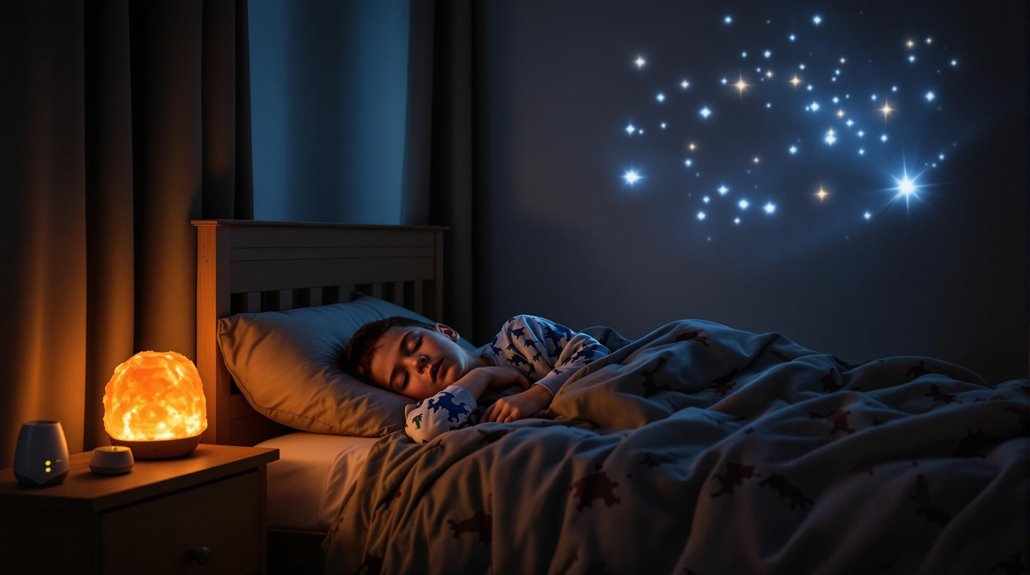
Natural sleep solutions offer a gentle yet effective approach for improving your autistic child's sleep quality. By incorporating these strategies into your child's daily routine, you'll help them develop healthy sleep patterns while minimizing disruptions that often affect their ability to rest peacefully.
- Create a consistent bedtime routine that includes calming activities like gentle music, storytelling, or light stretching. These natural sleep solutions will signal to your child's body that it's time to wind down and make it easier for them to move into sleep mode.
- Optimize your child's bedroom environment by using blackout curtains, maintaining a cool temperature, and reducing sensory stimulation. A calm, dark space can greatly help children with autism sleep better and maintain quality sleep throughout the night.
- Consider incorporating natural aids such as weighted blankets, lavender-scented oils, or white noise machines. These tools can provide comfort and reduce anxiety, supporting your child's ability to fall asleep naturally without relying on medication.
Remember to introduce these changes gradually, allowing your child time to adjust to new elements in their bedtime routine. Consistency and patience are key to establishing lasting improvements in sleep patterns.
Sleep Tracking Methods
To build upon these natural sleep solutions, tracking your child's sleep patterns provides useful knowledge into what works and what doesn't. Start by keeping a detailed sleep diary that records bedtime routines, wake times, and any disruptions during the night. This simple yet effective tool helps you identify patterns that affect your child's sleep habits.
For more precise monitoring, you might want to consider using actigraphy, a wearable device that automatically tracks sleep-wake patterns. This technology provides objective data about your child's sleep quality and duration, complementing your written observations in the sleep diary. If your child is older, involve them in reviewing their sleep data, as this can help them better understand their own sleep needs and encourage active participation in improving their sleep routine.
Consider implementing incentives and rewards for maintaining good sleep habits, such as staying in bed through the night. Keep track of these successes in your sleep diary. Don't forget to share your collected sleep data with healthcare professionals, as this information proves crucial for addressing specific sleep problems and developing targeted interventions for your autistic child.
Adapting During Developmental Changes

Sleep needs grow and shift alongside your child's development, requiring ongoing adjustments to their sleep routines. To help your child sleep well, you'll need to understand how sleep in children with autism changes over time. Infants require 12-17 hours, while toddlers need 11-14 hours, and preschoolers should get 10-13 hours of sleep daily.
As your child enters adolescence, their natural sleep-wake rhythm shifts, making it necessary to accommodate later bedtimes. To make this transition smoother and facilitate your teenager getting enough sleep, consider these key adjustments:
- Maintain a consistent sleep schedule even on weekends, aiming for the recommended 9 hours of sleep per night
- Allow flexibility in bedtime routines while keeping the core elements that help your teen fall asleep
- Be understanding of their changing sleep patterns while supporting healthy sleep habits
School-age children with autism need 9-11 hours of sleep daily, while teenagers require 8-10 hours. By adapting your approach to these developmental changes, you'll help your child maintain healthy sleep patterns throughout their growth stages.