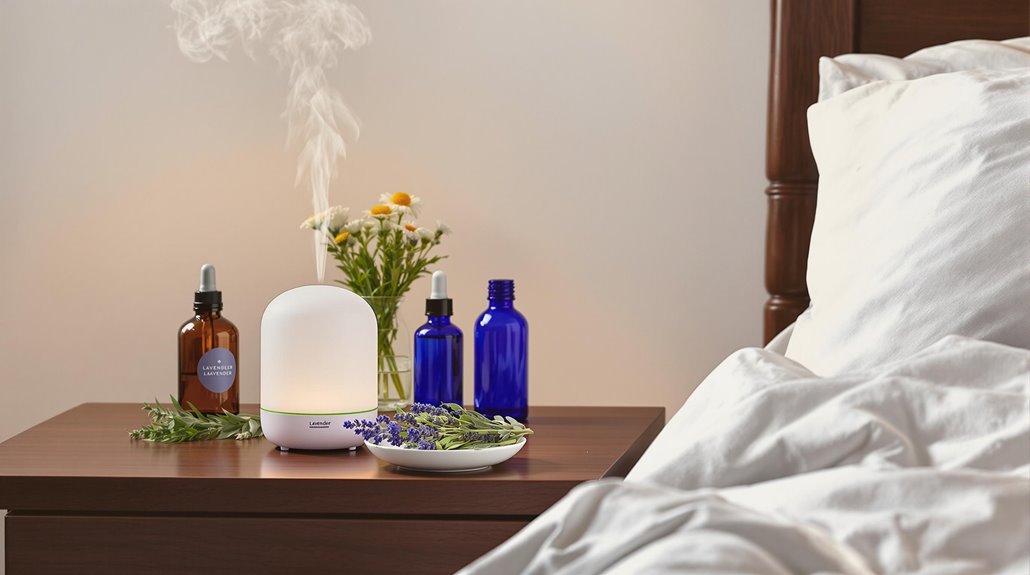
Sandalwood and Other Natural Sleep Aids That Actually Work

Sandalwood essential oil can help you sleep better by activating your brain's relaxation response through its active compound santalol. You'll find it works well alone or paired with other sleep-promoting oils like lavender and chamomile. For supplement options, melatonin (0.5-5mg) helps regulate your sleep cycle, while valerian root (300-900mg) can help you fall asleep faster and stay asleep longer. Magnesium and glycine supplements also support quality rest by promoting muscle relaxation and improving sleep efficiency. To maximize these natural aids, combine them with good sleep hygiene practices like maintaining a consistent bedtime routine. The science behind these solutions reveals even more powerful ways to alter, amend, or modify your nights.
Understanding Sandalwood's Sleep Benefits

Utilizing the power of sandalwood for better sleep has become increasingly popular among those seeking natural alternatives to sleep medications. If you're struggling with sleep issues, you'll be pleased to know that sandalwood essential oil offers scientifically-proven benefits for improving your sleep quality and reducing insomnia symptoms.
When you inhale sandalwood oil, it activates your parasympathetic nervous system, which helps your body move into its natural rest-and-digest state. The oil's active compounds, particularly santalol, work by interacting with your brain's GABA receptors, creating a calming effect that makes it easier to drift off to sleep. Research shows that people using sandalwood experience reduced sleep latency, meaning you'll spend less time tossing and turning before falling asleep.
You can enhance sandalwood's sleep-promoting effects by combining it with other proven essential oils like lavender or chamomile. This combination creates a powerful natural sleep aid that promotes both relaxation and improved sleep efficiency. Whether you use a diffuser or add a few drops to your pillow, sandalwood can become an effective part of your nighttime routine.
The Science Behind Natural Sleep
Sleep's complex biochemical dance involves multiple natural compounds working in harmony to regulate your rest-wake cycles. When you're seeking better sleep quality, understanding how natural sleep aids work with your body's chemistry can help you make informed choices for managing insomnia.
Your brain relies on specific neurotransmitters and hormones to maintain healthy sleep patterns. Melatonin, produced by your pineal gland, serves as your body's primary sleep-wake cycle regulator. You'll find that certain natural compounds can enhance its production, particularly tryptophan, which converts to serotonin and then melatonin in your body.
The science doesn't stop there. Magnesium plays a pivotal role in sleep efficiency by helping you fall asleep faster and stay asleep longer. It works alongside GABA receptors, which are also targeted by natural substances like sandalwood essential oil. These GABA receptors act as your brain's natural "off switches," promoting relaxation and sleep.
When you combine these natural sleep aids strategically, you're supporting multiple aspects of your sleep biochemistry. From melatonin production to GABA receptor activation, these compounds work together to improve your overall sleep quality.
Top Natural Sleep Aid Options
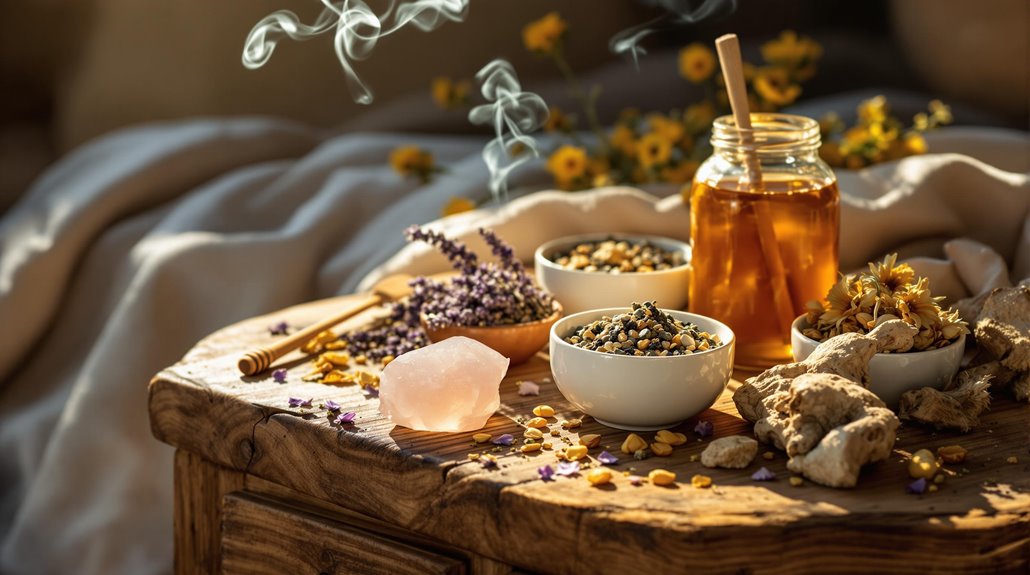
A wealth of natural sleep aids offers scientifically-backed alternatives to prescription medications. If you're struggling with sleep quality, you'll find several effective options that can help regulate your sleep time and enhance your sleep hygiene routine.
Sandalwood essential oil stands out for its proven ability to reduce anxiety and improve sleep quality through its calming properties. You can pair this with valerian root, which research shows helps in falling asleep faster and staying asleep longer. For those seeking mineral-based solutions, magnesium supplements work by regulating your body's circadian rhythms while promoting muscle relaxation.
Another powerful option is glycine, an amino acid that's particularly effective for people dealing with insomnia. It not only improves your sleep quality but also helps reduce daytime fatigue. If you're looking to elevate your natural melatonin levels, tart cherry juice is an excellent choice, especially if you're older. You can incorporate these natural sleep aids into your evening routine alongside traditional practices like lavender aromatherapy for optimal results. Remember to choose the option that best fits your specific sleep concerns and lifestyle needs.
Safety and Potential Side Effects
While natural sleep aids offer promising benefits, understanding their safety profiles and potential side effects remains vital for responsible use. Unlike prescription sleep medications regulated by the Food and Drug Administration (FDA), natural remedies can still carry risks that you shouldn't overlook.
When using sandalwood essential oil, stick to topical or aromatic applications, as ingesting it can be dangerous. If you're considering melatonin supplements, be aware they may cause negative side effects like headaches, dizziness, and daytime drowsiness, particularly at higher doses. Valerian root requires careful consideration - while it's safe for short-term use, extended use could lead to liver damage and gastrointestinal issues.
If you're pregnant or breastfeeding, avoid chamomile supplements as they may interact with certain medications, though chamomile tea is generally safe. L-theanine is typically well-tolerated, but you might experience headaches, dizziness, or digestive problems at high doses. Before starting any natural sleep aid regimen, especially if you're taking other medications or have underlying health conditions, consult with your healthcare provider to guarantee safe usage.
Choosing the Right Sleep Aid
Making an informed choice about natural sleep aids requires careful examination of your unique circumstances and sleep challenges. To improve your sleep quality effectively, you'll need to evaluate several key factors before selecting the right option for your needs.
Start by inspecting your specific sleep issues and consulting with a healthcare provider, especially if you're taking other medications or have underlying health conditions. When choosing a natural sleep aid, pay attention to third-party certifications that verify the product's quality and purity. It's also important to consider how long it takes for the effects to kick in and how long they'll last to help you establish a good sleep schedule.
Take time to study different options and their potential impacts. You might find that combining various natural approaches works better than relying on a single solution. For example, you could pair a supplement with relaxation techniques or improved sleep hygiene practices. Remember that what works for others may not work for you, so you may need to experiment with different natural remedies while monitoring their effects on your sleep patterns.
Combining Sleep Aids Effectively
Once you've selected your preferred natural sleep aids, understanding how to combine them can maximize their benefits. Several natural combinations can help you sleep better and enhance sleep quality more effectively than using single supplements alone.
Try pairing magnesium with calcium and vitamin B6 to regulate your sleep-wake cycle naturally. This combination works synergistically to improve both sleep quality and duration. For a powerful relaxation duo, combine lavender aromatherapy with a cup of chamomile tea before bedtime - this pairing can help you fall asleep faster and achieve deeper rest.
If you're using supplements, consider combining melatonin with either valerian root or L-theanine to amplify their sleep-promoting effects. Another effective strategy is to consume tryptophan-rich foods with tart cherry juice, which can drastically improve your overall sleep quality. For those seeking an all-encompassing approach, try a blend of glycine, lemon balm, and passionflower. These natural compounds work together to enhance sleep through multiple pathways, potentially offering superior results than using them individually. Remember to start with small doses when combining supplements and consult your healthcare provider about potential interactions.
Dosage and Timing Guidelines
Proper dosage and timing are essential for maximizing the effectiveness of natural sleep aids. When taking melatonin supplements, you'll want to start with 0.5-5 mg about 30 minutes before you plan to sleep. This timing allows the hormone to properly signal your body that it's time to rest.
For valerian root supplements, you should take 300-900 mg approximately two hours before bedtime. This earlier timing gives the herb enough time to produce its calming effects. If you're using magnesium to improve your sleep quality, you can safely consume up to 3 grams throughout the day, though it's often best to take it in the evening.
Glycine supplements can also help enhance sleep quality when taken in doses up to 3 grams daily. You'll find the most benefit by taking it shortly before bed. As for chamomile, you can either enjoy it as a relaxing tea or take supplements containing 400-800 mg before bedtime. When using these natural sleep aids, it's important to maintain consistent timing and dosage to establish a reliable sleep routine. Start with lower doses and adjust based on your body's response.
Alternative Sleep Enhancement Methods
Beyond supplements and herbs, several natural methods can effectively enhance your sleep quality. While supplements like magnesium and GABA can help, you'll find powerful sleep-inducing effects from aromatherapy and lifestyle modifications. Essential oils, particularly sandalwood and lavender oil, can help you fall asleep faster when diffused in your bedroom or applied topically before bedtime.
You can also amplify your natural sleep aid arsenal by incorporating tart cherry juice into your evening routine. It's rich in natural melatonin and pairs well with adaptogenic herbs like ashwagandha, which helps regulate cortisol levels and reduce nighttime stress. To maximize these benefits, combine them with environmental sleep enhancers like nature sounds or calming music.
Don't underestimate the power of physical activity in improving your sleep quality. Regular exercise supports the production of tryptophan and helps regulate your sleep-wake cycle. Even light activity can make a significant difference in how quickly you drift off and how deeply you sleep. By combining these alternative methods with proper sleep hygiene, you're creating an inclusive approach to better rest without relying solely on traditional supplements.