
Quema Del Diablo in Guatemala: Burning Away the Bad for a Fresh Start
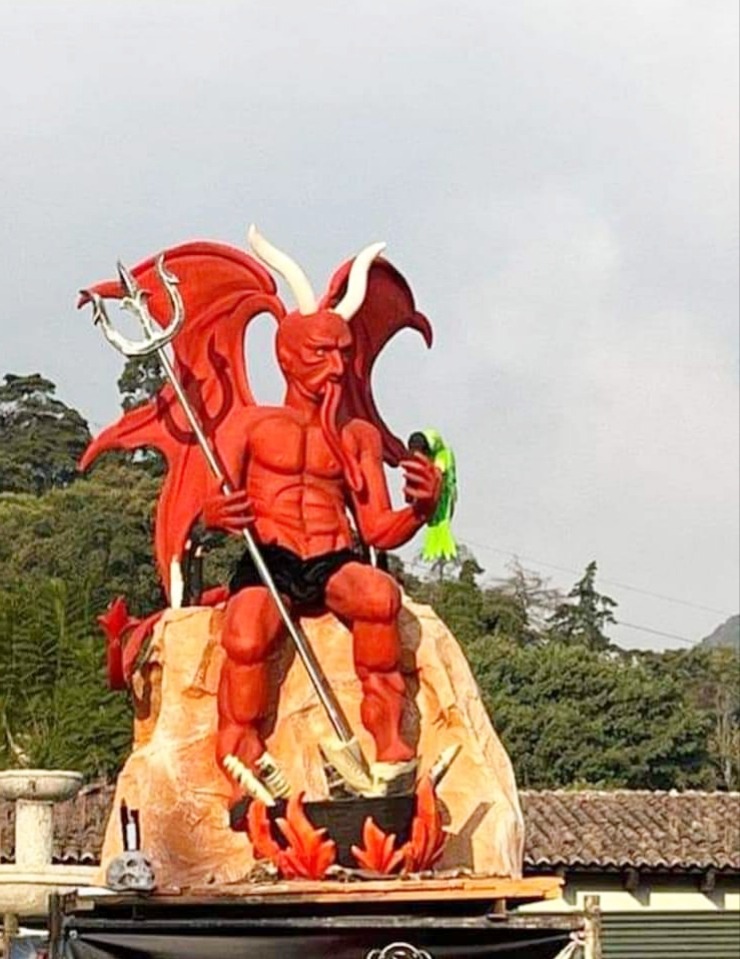
You'll find Guatemala's Quema del Diablo (Burning of the Devil) celebration lighting up the night sky every December 7th. This centuries-old tradition marks the start of Christmas season, where communities gather to burn devil effigies crafted from papier-mâché and wood. It's not just about spectacular flames - the ritual symbolizes purification and spiritual cleansing as Guatemalans burn away their troubles before the Feast of the Immaculate Conception. While firefighters control the blazes, crowds enjoy traditional music, dancing, and festive treats. Modern environmental concerns have sparked new adaptations, but the heart of this powerful cultural ceremony continues to convert darkness into light through community spirit.
Origins of the Devil Burning
The burning of devil effigies in Guatemala traces its roots to the colonial period, emerging from a simple tradition of lighting bonfires outside homes. You'll find that this practice began at the Santo Domingo monastery in Antigua, where residents would illuminate their surroundings with bonfires and lanterns during special occasions.
As the tradition evolved, it became formally associated with the Feast of the Immaculate Conception on December 7th. You'd notice that what started as a practical custom soon converted into a powerful symbolic ritual. On the eve of this important feast, families would gather their trash and unwanted items, burning them in a collective display of spiritual cleansing.
The practice took on deeper meaning when the community began crafting and burning devil effigies, representing the purification of sins and the casting out of evil spirits. You'll see how this ritual perfectly aligned with the colonial period's religious fervor, as people sought ways to prepare themselves for the new year through physical and spiritual cleansing. Today, this tradition continues to unite communities in Guatemala, maintaining its significance as a powerful symbol of renewal and purification.
The Sacred Holiday Connection
Religious significance runs deep within Guatemala's Quema del Diablo, connecting this cultural practice directly to one of Catholicism's most sacred observances. You'll find this devil-burning ceremony taking place on December 7th, deliberately scheduled on the eve of the Feast of the Immaculate Conception, a major Catholic holiday honoring the Virgin Mary.
This timing isn't coincidental - it's a carefully chosen date that reflects Guatemala's devotion to its patron saint, the Virgin Mary. The ritual serves as a powerful symbol of Mary's triumph over evil, as you'll witness the burning of devil effigies representing the purification of sins. It's fascinating how this religious tradition has evolved to mark the official beginning of the Christmas season in Guatemala.
What makes the Quema del Diablo particularly unique is how it seamlessly blends Catholic calendar observances with indigenous heritage. You're not just witnessing a simple burning ceremony; you're participating in a deeply meaningful ritual that bridges cultural and religious traditions. This synchronization of Catholic devotion and local customs creates a distinctively Guatemalan celebration that prepares the faithful for the sacred feast day that follows.
Building the Devil Effigy
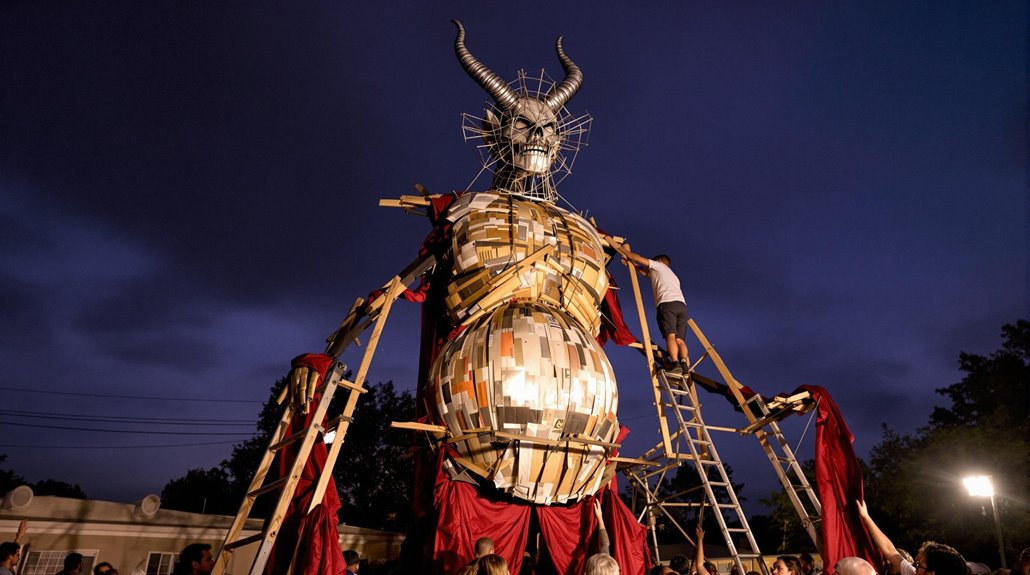
Skilled artisans and community volunteers begin their collaborative work weeks before December 7th, crafting elaborate devil effigies that will become the centerpiece of Guatemala's Quema del Diablo celebration. These towering structures, made from either papier-mâché or wooden materials, embody the evil spirits that communities seek to banish from their lives.
You'll find dedicated groups gathering recycled cardboard, old fabric, and discarded clothing to construct these imposing figures. Each devil effigy features carefully crafted exaggerated features, including menacing horns and fearsome fangs, designed to represent the negative forces that plague daily life.
As you witness the community's creative process, you'll notice how each detail carries deep symbolic meaning:
- The collaborative construction process strengthens community bonds
- Every carefully placed feature represents specific hardships to overcome
- The imposing size of the effigy symbolizes the magnitude of evil being confronted
The devil effigy's creation becomes more than just an artistic task - it's a powerful communal expression of hope and determination to purge negativity from their lives through this ancient tradition.
Community Celebration and Rituals
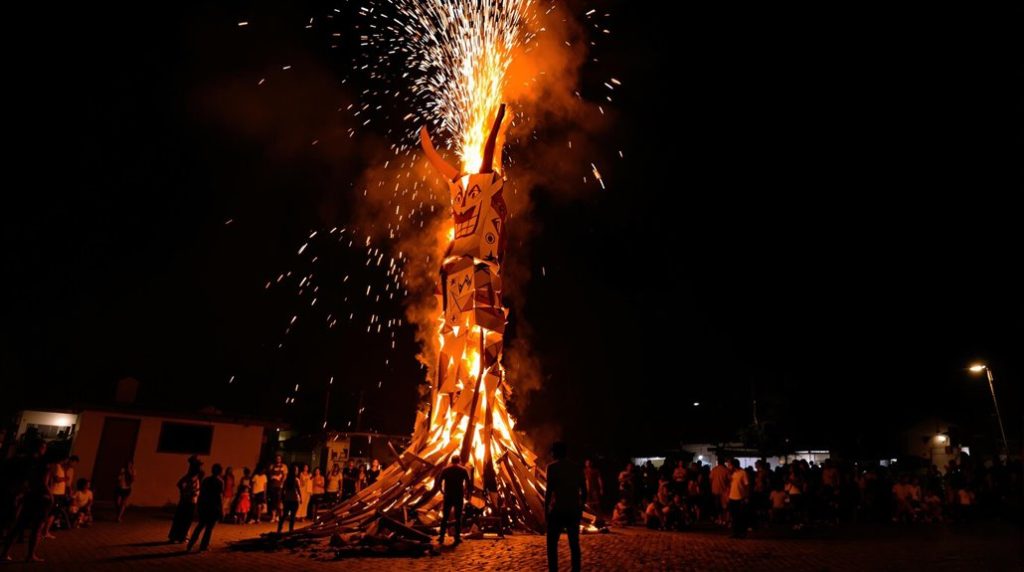
Crowds gather enthusiastically on December 7th as dusk settles over Guatemala's towns and cities, marking the beginning of Quema del Diablo's most lively celebrations. You'll find communities coming together in town squares and intersections, where the carefully constructed devil effigies await their dramatic fate.
As darkness falls, the ritual begins with the burning of these elaborate structures. You'll witness volunteer firefighters ensuring safety as the effigies, doused in gasoline and packed with fireworks, ignite in spectacular displays of flames and explosions. The atmosphere comes alive with traditional music and dancing, while you can savor festive treats like buñuelos and warm ponche alongside your neighbors.
This powerful act of purification represents more than just a colorful celebration. As you watch the devil effigy burn, you're participating in a symbolic cleansing of negative experiences and bad luck from the past year. The shared experience strengthens community bonds as everyone looks forward to a fresh start in the new year, leaving behind unwanted spiritual burdens in the flames and smoke that rise into the night sky.
Environmental Impact and Modern Changes
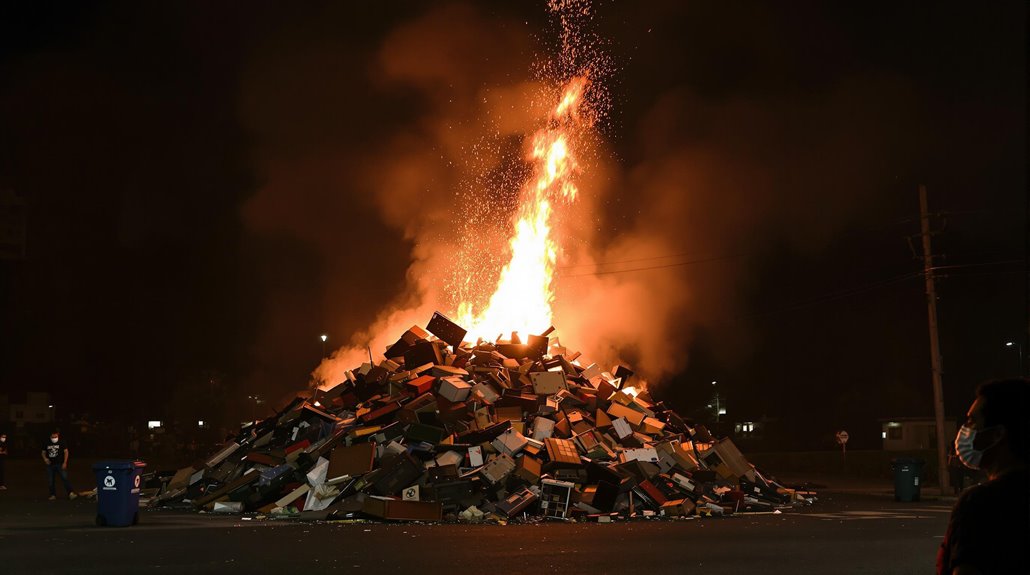
Recent decades have seen growing environmental concerns surrounding the Quema del Diablo tradition, as the widespread burning of devil effigies and household items releases harmful pollutants into Guatemala's air. The environmental impact of this burning ritual has become increasingly apparent, with significant greenhouse gas emissions contributing to air pollution across communities.
You'll find that Guatemalans are actively seeking ways to preserve their cultural heritage while embracing environmental responsibility. Many communities have begun implementing creative alternatives, such as devil piñatas, that maintain the spirit of the tradition without the harmful effects of burning.
The alteration of this centuries-old practice highlights three key challenges:
- Balancing deeply rooted cultural traditions with modern environmental awareness
- Managing community expectations while implementing new regulations
- Addressing resistance to change through effective public education campaigns
Today, you're witnessing a novel evolution as Guatemalans adapt their cherished tradition for contemporary times. Local authorities are working with communities to develop sustainable alternatives, while public education campaigns help residents understand why these changes are necessary. This shift demonstrates how cultural practices can evolve to meet modern environmental challenges without losing their essential meaning.
Cultural Legacy in Guatemala
Generations of Guatemalans have passed down the Quema del Diablo tradition, weaving it deeply into the nation's cultural fabric. You'll find this unique celebration bridges Guatemala's Catholic and indigenous cultural heritage, creating a distinctive ritual that's stood the test of time since the colonial era.
When you participate in La Quema del Diablo, you're not just watching the burning of a devil effigy - you're taking part in a meaningful expression of community spirit and cultural identity. The tradition honors Guatemala's patron saint while symbolically purifying the community for a fresh start. You'll experience the lively atmosphere as locals gather to create elaborate devil figures from papier-mâché or wood, accompanied by music, dance, and the sweet aroma of roasting marshmallows.
While the tradition faces modern challenges, particularly regarding sustainability concerns, you'll notice how Guatemalans are adapting their cherished custom. They're finding innovative ways to preserve their cultural heritage while addressing environmental issues, ensuring that future generations can continue this significant practice that brings communities together each December 7th.