
Post-Viral Fatigue Treatment: Steps to Regain Your Energy

When you're dealing with post-viral fatigue, recovery requires a strategic approach. Start by prioritizing quality sleep and establishing consistent sleep patterns while avoiding daytime naps. Focus on nutrient-rich foods and stay well-hydrated to support your body's healing. Begin with gentle physical activities like short walks or light stretching, gradually increasing intensity as your energy improves. Don't forget your mental health - try relaxation techniques, breathing exercises, or joining support groups to manage stress. Working with healthcare professionals can help you create a personalized plan for your excursion back to importance.
Understanding Post-Viral Fatigue Symptoms
Exhaustion after a viral infection isn't always a normal part of recovery. When your fatigue persists for weeks or months after a viral illness, you might be experiencing post-viral fatigue. This condition can dramatically impact your daily activities and overall health, making even simple tasks feel overwhelming.
The symptoms you'll notice go beyond typical tiredness. You'll likely experience deep energy depletion that doesn't improve with sleep or rest. Your body may struggle with concentration and memory problems, making it challenging to focus at work or remember everyday details. You might also develop a persistent sore throat and recurring headaches, which can further complicate your recovery process.
Understanding these symptoms is essential for your medical care. Post-viral fatigue often occurs when viruses like Epstein-Barr or enteroviruses trigger an unusual immune response in your body. This response can lead to increased inflammation, particularly affecting your nervous tissue. If you're experiencing these symptoms, it's important to track their timeline and severity. This information will help your healthcare provider distinguish between normal post-illness recovery and a more serious condition requiring specific treatment approaches.
Rest and Sleep Strategies
Quality sleep sits at the heart of recovering from post-viral fatigue, and you'll need to develop specific strategies to maximize your rest periods. Your body requires approximately 8 hours of restorative sleep each night to repair and rejuvenate. To achieve this, you'll want to establish a consistent sleep-wake cycle that aligns with your body's natural rhythm.
Here's what you need to prioritize for better sleep quality:
- Maintain strict sleep hygiene by limiting screen time at least one hour before bed, keeping your bedroom dark and cool, and following a calming bedtime routine
- Stick to a regular sleeping pattern by going to bed and waking up at the same time every day, even on weekends
- Avoid daytime naps, as they can disrupt your nighttime rest and make it harder to maintain a healthy sleep-wake cycle
Remember that improving your sleep quality isn't just about the number of hours you spend in bed. It's about creating an environment and routine that promotes deep, restorative rest. Your bedtime routine might include relaxing activities like reading, gentle stretching, or meditation to signal your body it's time to wind down.
Gradual Physical Activity Approach
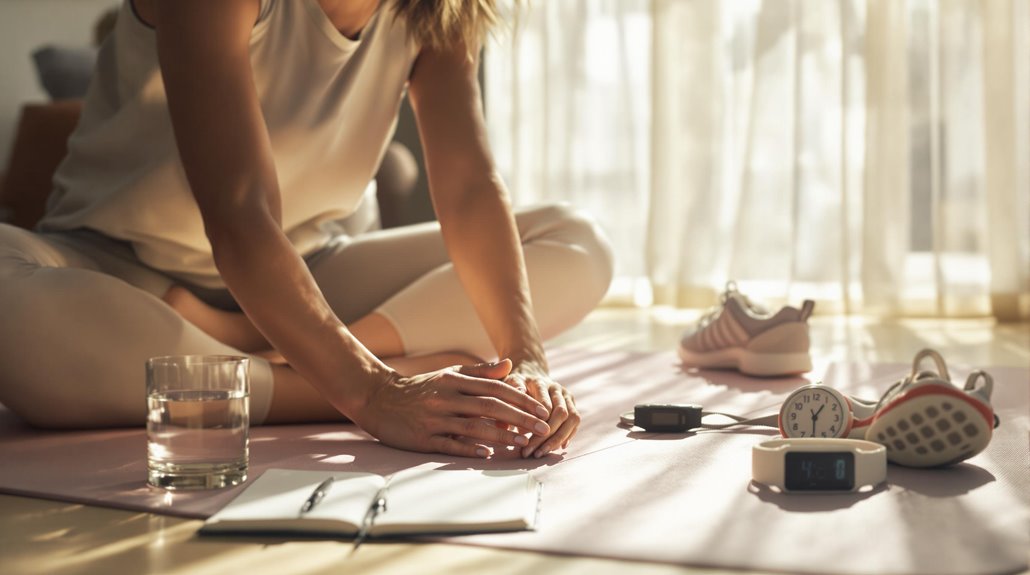
Building back your physical strength after post-viral fatigue requires a delicate balance of activity and rest. It's essential to work with a healthcare professional who can create an exercise plan customized to your specific condition and recovery stage.
Start with low-intensity activities that won't trigger post-exertional malaise, such as gentle stretching or short walks. You'll need to set realistic goals that align with your current energy levels - remember, small steps lead to sustainable progress. As you begin your activity plan, careful pacing becomes your most important tool. Listen to your body and avoid pushing too hard, even on days when you're feeling better.
Monitor your response to exercise closely, and make adjustments based on how your body reacts. If you notice increased fatigue or other symptoms, you may need to scale back temporarily. The key is maintaining a gradual increase in activity that your body can handle. Instead of attempting intense workouts, focus on frequent, moderate movement throughout your day. This approach helps you build strength consistently while minimizing the risk of setbacks in your wellness path.
Mental Health Support Methods
Along with physical recovery, managing your mental health plays an indispensable role in overcoming post-viral fatigue. Your mental state often affects how you feel physically, making it paramount to support both aspects during your recovery strategy from post-viral fatigue. Cognitive Behavioral Therapy (CBT) can help you identify and manage negative thought patterns while providing practical techniques to improve your recovery mindset.
- Join a support group to connect with others who understand your experience, reduce isolation, and make meaningful connections that'll enhance your mental well-being.
- Practice regular breathing exercises can help calm your mind, reduce stress, and support your recovery process through techniques like meditation and deep breathing.
- Maintain social connections, even if you need to limit your interactions at times, to prevent feelings of isolation that can impact your recovery.
Remember that it is necessary to balance your mental health support with your physical recovery. Incorporating relaxation techniques like yoga and meditation can help you manage stress while giving your body and mind the time they need to heal properly.
Dietary and Nutritional Considerations

While mental health support strengthens your recovery mindset, proper nutrition serves as a powerful tool in combating post-viral fatigue. Your body needs adequate calorie and nutrient intake to repair and regenerate, making your food choices imperative for recovery.
Focus on filling your plate with nutrient-dense foods that provide sustained energy. Include a variety of colorful fruits and vegetables, which contain essential vitamins and antioxidants. Incorporate whole grains for steady energy release, lean proteins for tissue repair, and healthy fats for brain function and inflammation reduction.
Don't underestimate the importance of hydration in your recovery odyssey. You'll need to drink plenty of water throughout the day while limiting caffeine and alcohol, as these can interfere with your sleep quality and energy levels. When it comes to supplements, you might benefit from vitamin D, B-complex vitamins, or omega-3s, but always consult your healthcare provider before starting any supplementation.
Avoid processed foods and those high in sugar, as they can trigger inflammation and energy crashes. Instead, maintain a balanced diet that supports your body's natural healing processes and helps combat fatigue effectively.
Building Social Support Networks
Through the recovery expedition, your social connections play a critical role in maintaining emotional well-being and cultivating healing. While post-viral fatigue can make socializing challenging, it's indispensable to avoid complete isolation, as this can worsen your symptoms and impact the quality of your sleep. Building a strong social support network helps create a foundation for recovery while ensuring you're not facing this journey alone.
- Join a support group specifically designed for individuals with post-viral fatigue to connect with others who understand your experience firsthand and can share valuable coping strategies
- Communicate openly with friends and family about your needs, helping them understand when you need regular rest and when you're ready for social activity
- Consider working with an occupational health specialist who can help you balance social interactions with your energy levels and integrate CBT techniques for better management
Remember to pace yourself when engaging in social situations. You don't need to attend every gathering, but maintaining some level of social interaction is essential for your recovery. Start with short, manageable social visits and gradually increase your involvement as your energy levels improve.