Nocturnal Groaning: Is It a Sleep Disorder, Parasomnia, or Something Else?
Nocturnal groaning, also known as catathrenia, is a genuine sleep disorder that causes you to make long, monotonous groaning sounds during sleep. You'll typically experience these episodes during REM sleep, with sounds lasting from seconds to over a minute. While it won't disrupt your sleep quality or cause daytime sleepiness, it can markedly impact your sleep partner's rest. The condition stems from dysfunctional neurons in your respiratory control center and may have genetic links. You're more likely to experience it if you're male, with men affected twice as often as women. Understanding its specific nature helps determine the most effective treatment approach.
Understanding Nocturnal Groaning
Deep within the domain of sleep disorders lies nocturnal groaning, a peculiar condition that causes people to emit prolonged moans or groans while sleeping. Also known as Catathrenia, this unique Respiratory disorder primarily occurs during REM sleep, setting it apart from other nocturnal Breathing conditions.
If you're experiencing this condition, you'll likely produce long, drawn-out groaning sounds that can last anywhere from a few seconds to over a minute. Unlike sleep apnea and other common sleep Disorders, Catathrenia doesn't typically pose serious health risks, but it can considerably impact both your sleep quality and your partner's rest.
While doctors haven't pinpointed the exact cause, research suggests it's linked to irregular neural activity in your brain's respiratory control center. To diagnose this condition, you'll need to undergo a sleep study called polysomnography, which monitors various aspects of your breathing and sleep patterns. Although Catathrenia is generally benign, some people find relief through treatment options like Positive Airway Pressure (CPAP) therapy. If you're concerned about nocturnal groaning, it's important to consult a sleep specialist who can properly evaluate your symptoms and recommend appropriate interventions.
Symptoms During Sleep
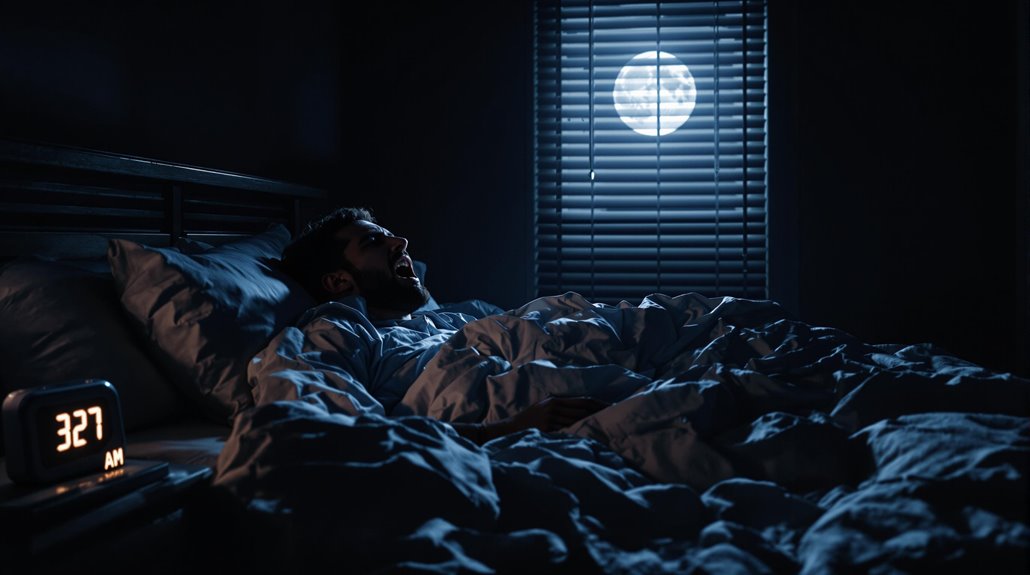
During sleep, the telltale signs of nocturnal groaning present themselves through distinctive, prolonged moaning sounds that occur primarily during exhalation. If you have catathrenia, you'll produce these monotonous groaning sounds repeatedly throughout the night, with episodes lasting anywhere from a few seconds to more than a minute.
Unlike other sleep-related breathing disorders, catathrenia won't typically disrupt your sleep quality or cause sleep fragmentation. You won't experience daytime sleepiness, and you'll likely be unaware of your nocturnal vocalizations since they don't wake you up. However, your bed partner might find these sounds particularly disruptive to their sleep.
The groaning episodes follow a distinct pattern during exhalation, setting them apart from conditions like sleep apnea. While you sleep peacefully through these episodes, the sounds you produce can be quite loud and concerning to others. This can lead to social embarrassment, especially when sharing a room with others or sleeping in public spaces. It's worth noting that despite the dramatic-sounding groans and moans, you're not experiencing any physical discomfort or distress during these episodes.
Common Causes and Risk Factors
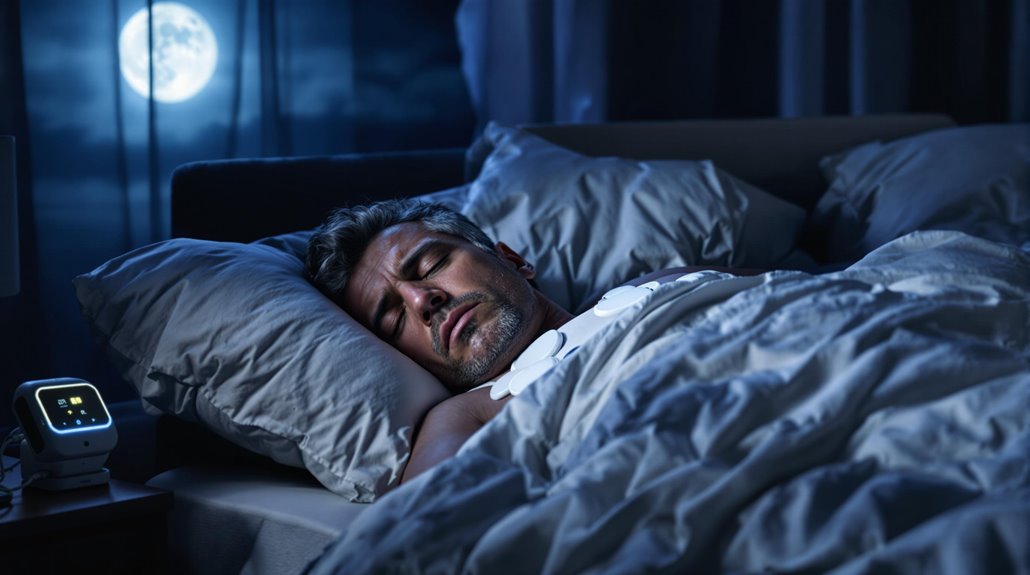
The precise cause of catathrenia remains a medical mystery, though researchers have identified several potential triggers and risk factors. Current research suggests that dysfunctional neurons in your brain's respiratory center may play a significant role, particularly affecting how you exhale during sleep. These neural irregularities can lead to the characteristic prolonged exhalation that's commonly associated with this sleep-related breathing disorder.
If you're experiencing this parasomnia, your small airway structure might be contributing to the condition. Anatomical variations in your airways can affect your breathing patterns during sleep, potentially triggering the groaning sounds that impact your sleep quality. Additionally, genetics appear to be a notable factor - if you have family members with catathrenia, you might be at higher risk, as approximately 15% of cases show a family history of the condition.
You're more likely to develop catathrenia if you're male, as there's a clear male predominance with a 2:1 ratio compared to females. It bears mentioning that psychological or psychiatric stress doesn't cause catathrenia, making it distinct from stress-related sleep disturbances.
Diagnosing Sleep-Related Groaning
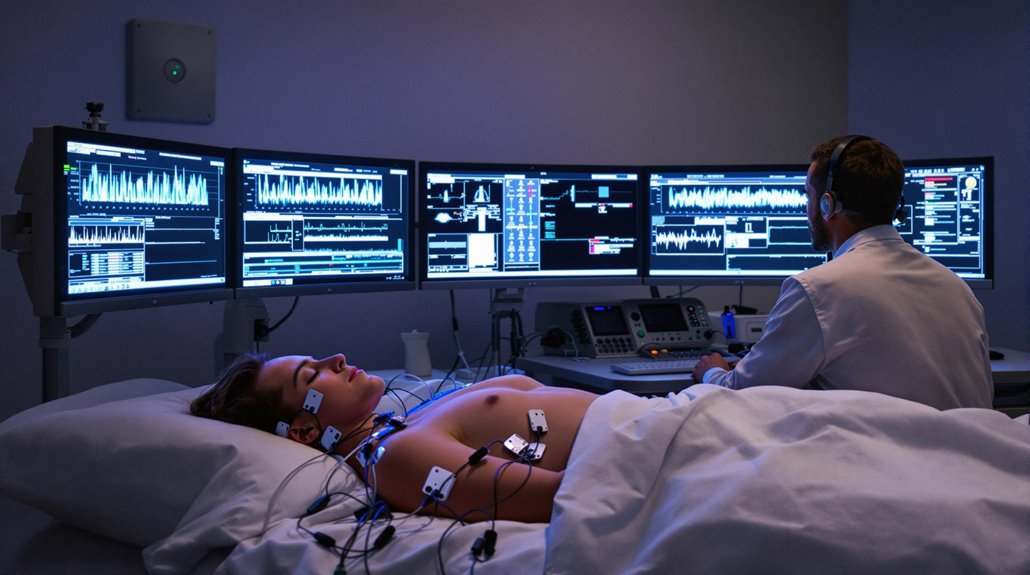
While understanding the causes of catathrenia helps guide treatment, obtaining an accurate diagnosis remains pivotal to effective care. If you're experiencing sleep-related groaning, you'll likely need to undergo a comprehensive sleep study, also known as a polysomnogram. During this evaluation, specialists will monitor various parameters including your airflow, oxygen levels, brain waves, and muscle activity throughout the night.
Your healthcare provider will conduct a thorough clinical history and physical examination to distinguish catathrenia from other sleep-related respiratory disorders. This step is indispensable as symptoms can sometimes mimic conditions like sleep apnea. The polysomnogram typically reveals specific patterns associated with catathrenia, such as extended expiration during REM sleep and slight oxygen desaturation, without substantially disrupting your sleep patterns.
You'll notice that the diagnostic process is quite detailed, as it's vital to rule out other potential conditions that might be causing your nocturnal groaning. The combination of sleep study findings and clinical assessment helps your healthcare provider develop an appropriate treatment plan customized to your specific situation, ensuring you receive the most effective care for your symptoms.
Treatment Options Available
Fortunately, several effective treatment options exist for managing sleep-related groaning. If you're diagnosed with catathrenia, your doctor will likely recommend continuous positive airway pressure (CPAP) therapy as the primary treatment. CPAP machines work by keeping your airway open while you sleep, which can drastically reduce groaning episodes and improve your sleep quality.
If you can't tolerate CPAP therapy, you might benefit from oral appliances that reposition your jaw forward during sleep. These devices can be particularly helpful if your catathrenia is related to obstructive sleep apnea or other airway issues. In cases where physical obstructions are the underlying cause, surgical interventions might be necessary. Your doctor may recommend removing enlarged tonsils or adenoids to improve airflow.
You can also try behavioral modifications to manage your symptoms. Simple changes like avoiding sleeping on your back may reduce the frequency and severity of groaning episodes. Keep in mind that treatment success varies among individuals, and you might need to try different approaches before finding what works best for you. Your healthcare provider will help determine the most appropriate treatment based on your specific symptoms and the underlying cause of your catathrenia.
Impact on Sleep Partners
Living with someone who experiences nocturnal groaning can greatly affect sleep partners, often leading to chronic sleep disruption and relationship strain. If you're sharing a bed with someone who has catathrenia, you'll likely face challenges getting adequate rest due to the persistent, loud groaning noises throughout the night.
The ongoing sleep disturbance can critically impact your well-being, leaving you feeling exhausted and irritable during the day. Many sleep partners find themselves struggling with fatigue and other health issues due to poor sleep quality. To cope with the nightly disruptions, you might need to rely on solutions like earplugs or a white noise machine to mask the sounds. In some cases, couples resort to sleeping in separate rooms to guarantee at least one partner gets proper rest.
It's essential to understand that addressing catathrenia isn't just about helping the affected person - it's vital for maintaining a healthy relationship and protecting your own sleep health. Seeking professional medical help together can lead to better management of the condition and improved quality of life for both partners.
Medical Complications and Concerns
Beyond the relationship challenges faced by sleep partners, the medical aspects of nocturnal groaning deserve careful attention. While catathrenia isn't typically life-threatening, you'll want to understand its potential impact on your health and well-being.
The primary concern stems from sleep disturbances that can affect your daily life. You might experience daytime sleepiness and difficulty concentrating, which can interfere with your work and activities. Unlike sleep apnea, which directly affects oxygen levels, catathrenia doesn't typically cause dangerous breathing interruptions. However, if you're experiencing both conditions, you may need continuous positive airway pressure therapy or other targeted treatments.
The condition's mental health effects shouldn't be overlooked. When you're not getting quality sleep, you're more susceptible to anxiety and depression. These psychological impacts, combined with chronic fatigue, can decisively affect your overall health. That's why proper diagnosis is paramount - your healthcare provider can determine if your nocturnal groaning indicates underlying medical complications requiring attention. While catathrenia itself may be benign, managing its symptoms and related issues through appropriate treatment can help prevent long-term health consequences.
Lifestyle Changes and Management
Successfully managing catathrenia often requires a multi-faceted approach combining lifestyle modifications with medical interventions. If you're experiencing Nighttime Groaning, you'll want to start with simple changes like avoiding sleeping on your back and maintaining good sleep hygiene. Many people with catathrenia find relief by using humidifiers to keep their airways moist during sleep.
When lifestyle changes aren't enough, several treatment options are available. CPAP treatment has emerged as a primary solution, as continuous airway pressure helps keep your breathing passages open while you sleep. If you're hesitant about using a CPAP device as treatment trial, you might consider oral appliances that reposition your jaw. According to a recent social media survey, many patients prefer these less invasive options before pursuing more aggressive treatments.
For cases that don't respond to conventional approaches, medical professionals might recommend botulinum toxin injections into the vocal cords or surgical interventions to address structural causes. Your doctor can help determine which combination of treatments will work best for your specific situation, as the effectiveness of each approach can vary among individuals.
When to Seek Professional Help
When should you consult a medical professional about nocturnal groaning? If you're experiencing disruptive groaning during sleep that's affecting your quality of rest or disturbing your partner, it's time to seek help from a sleep specialist. Don't delay reaching out to a medical expert, as early intervention is indispensable for managing catathrenia symptoms and improving your overall well-being.
At a sleep center, you'll undergo a thorough physical exam and possibly a polysomnogram (sleep study) to confirm your diagnosis. This extensive evaluation helps distinguish catathrenia from other sleep-related disorders and determines the most effective treatment options for your specific case.
- Your groaning is substantially impacting your daily life or your bed partner's sleep quality
- You're experiencing additional sleep disturbances or unusual symptoms alongside the groaning
- Your sleep patterns have changed dramatically, affecting your daytime functioning
Research and Future Developments
Research into catathrenia continues to evolve as scientists work to uncover the underlying mechanisms of this sleep disorder. Current studies are focusing on understanding the pathophysiology and risk factors that contribute to this unique parasomnia, with special attention being paid to potential genetic markers that may predispose individuals to develop nocturnal groaning.
You'll be interested to know that researchers are exploring innovative treatment options beyond traditional approaches. One promising area is targeted neurostimulation, which might offer new ways to manage catathrenia symptoms more effectively. Additionally, epidemiological studies are underway to better determine how common this sleep disorder truly is and how it progresses over time.
The future of catathrenia research looks promising, particularly with advances in sleep technology. These developments will likely enhance our ability to monitor and characterize nocturnal groaning episodes with greater precision. As you follow developments in this field, you'll notice that improved diagnostic tools and monitoring systems are helping researchers gather more accurate data, which could lead to more effective treatments and better outcomes for those affected by this sleep disorder.
Support and Resources
Living with catathrenia doesn't mean you have to cope up with it alone. You'll find various support systems and resources available to help you understand and manage your condition better. Support groups and online communities connect you with others who share similar experiences, while educational materials from sleep disorder organizations and medical institutions provide significant information about nocturnal groaning.
To effectively manage catathrenia, you can access these key resources:
- Sleep specialists and dedicated sleep clinics that offer professional diagnosis, treatment options, and ongoing care personalized to your specific needs
- Counseling or therapy sessions to help you address the social and psychological impacts of living with catathrenia
- Educational resources and fact sheets from reputable organizations to help you and your loved ones better comprehend the condition
Finding the right healthcare provider who understands catathrenia is indispensable for your odyssey. They'll guide you through treatment options and connect you with appropriate resources. Remember that professional support, combined with educational materials and community connections, creates an exhaustive support system to help you manage your condition effectively.