
New Hope for Sleep Disorders in Autistic Children: Promising Solutions

Recent advances in autism sleep research bring new hope for your child's bedtime struggles. You'll find relief through personalized approaches combining genetic understandings, behavioral strategies, and environmental modifications. Modern solutions include weighted blankets, customized sensory adjustments, and technology-driven sleep monitoring. You can implement proven techniques like consistent routines, visual schedules, and specific dietary changes to improve your child's sleep quality. Working with healthcare providers, you'll create an all-encompassing plan incorporating the latest breakthroughs in sleep science and behavioral support. The path to better sleep for your autistic child offers more promising solutions than ever before.
Understanding Autism Sleep Challenges
Many autistic children face significant sleep challenges that affect both their nights and days. If you're caring for an autistic child, you'll likely notice irregular sleep patterns, including difficulties with falling asleep and maintaining restful sleep throughout the night. These challenges often manifest through behaviors like body-rocking and head-banging, which can further disrupt sleep quality.
Understanding these sleep difficulties requires recognizing multiple contributing factors. Sleep associations play a pivotal role, as autistic children may struggle with establishing healthy connections between bedtime routines and sleep onset. Sensory sensitivities can make it challenging for your child to feel comfortable in their sleep environment, whether it's due to room temperature, lighting, or texture of bedding. Additionally, anxiety and underlying medical conditions like sleep apnea can compound these difficulties.
The impact of poor sleep extends well beyond nighttime hours. You may notice your child struggling with daytime activities, showing decreased cognitive performance, and experiencing overall deterioration in their well-being. That's why it's imperative to work with healthcare professionals to identify specific triggers and develop targeted interventions that address your child's unique sleep challenges.
Latest Research Breakthroughs
Over the past decade, pioneering research has revolutionized our understanding of sleep disorders in autistic children. Scientists are now using advanced technologies like EEG and eye tracking to identify specific biomarkers that could explain why many children with autism spectrum disorder (ASD) struggle with sleep issues. These breakthroughs are helping researchers develop more targeted and effective treatments.
You'll be encouraged to know that personalized medicine approaches are showing remarkable promise. Through whole genome sequencing and detailed behavioral assessments, doctors can now better understand how a child's unique genetic profile influences their sleep patterns and autism symptoms. This knowledge is critical for developing customized treatment strategies that work for your child's specific needs.
Recent autism research has also expanded to include more diverse populations, ensuring that sleep interventions work effectively across different communities. Clinical trials are currently testing new medications specifically designed to address sleep disorders in children with ASD. By combining genetic insights with comprehensive sleep evaluations, researchers are getting closer to developing breakthrough treatments that could dramatically improve sleep quality for autistic children.
Behavioral Support Strategies

Several effective behavioral support strategies can markedly improve sleep quality for autistic children. You'll find that establishing a consistent bedtime routine is vital, as children with autism respond well to predictable patterns and clear expectations. You can create a visual schedule that outlines each step of the nighttime routine, helping your child understand and follow the sequence independently.
To address sensory needs, you'll want to optimize your child's sleep environment. Consider using weighted blankets, adjusting room temperature, and minimizing disruptive sounds or lights. You can also incorporate calming activities like gentle massage or deep breathing exercises before bedtime.
You should focus on positive reinforcement when your child follows the bedtime routine successfully. Gradually phase out your presence during sleep onset, helping your child develop self-soothing skills. Don't forget to maintain regular physical activity during the day and limit screen time before bed.
Working with healthcare providers, you can develop a personalized sleep plan that addresses any underlying medical conditions. Remember to consistently implement these strategies, as they'll help your child establish healthy sleep patterns and improve overall sleep quality.
Environmental Sleep Modifications
Creating an essential sleep environment plays a key role in helping autistic children achieve restful sleep. When you're setting up a bedroom for children with ASD, focus on maintaining cool temperatures, minimizing light exposure, and eliminating disruptive sounds that could interfere with their sleep patterns.
You'll want to incorporate calming sensory elements that can make the sleep environment more comfortable. Consider using weighted blankets for deep pressure stimulation and white noise machines to mask sudden household sounds. It is imperative to establish a consistent bedtime routine that includes visual schedules and relaxation techniques to help children transition smoothly from day to night activities.
Pay special attention to the tactile aspects of their sleep space. Choose bedding and pajamas made from fabrics that won't trigger sensory sensitivities, and remove any potential irritants that could cause discomfort. You'll also need to manage the household environment after bedtime by reducing noise levels and limiting bright lights throughout your home. These environmental modifications, combined with a structured bedtime routine, can greatly improve sleep quality for children with ASD and help them develop healthier sleep patterns.
Nutritional Impacts on Sleep
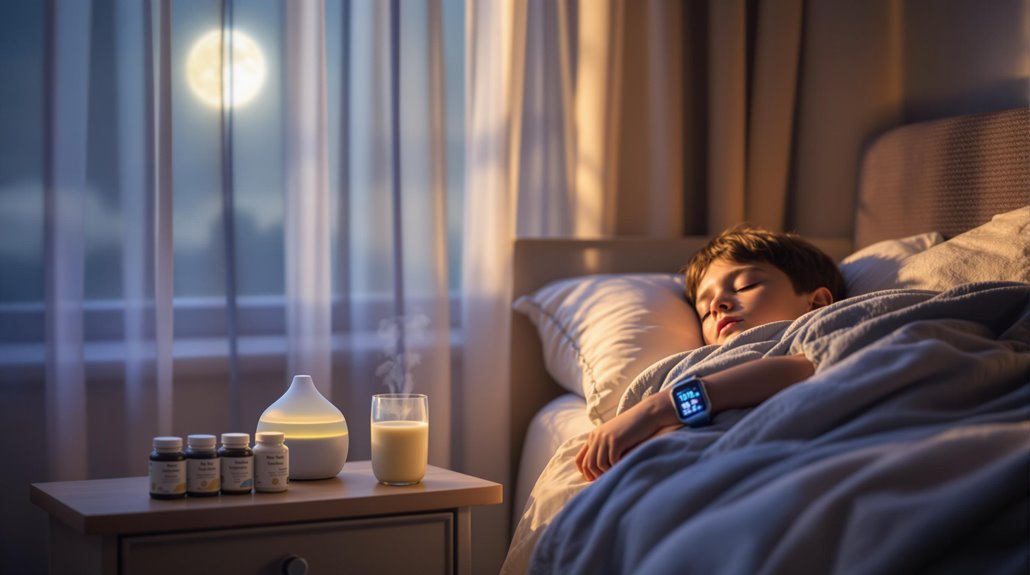
Along with environmental modifications, dietary choices have a significant impact on sleep quality for autistic children. If your child struggles with sleep, you'll want to pay close attention to what they're consuming, especially in the hours before bedtime.
Common dietary triggers like gluten and casein can cause inflammation and disrupt your child's sleep patterns. These proteins, found in many everyday foods, may trigger immune responses that interfere with natural sleep cycles. Similarly, soy, corn, and eggs can create similar disruptions in sensitive children.
You'll need to be particularly mindful of caffeine consumption. Energy drinks, sodas, and chocolate can block sleep-promoting adenosine for up to 12 hours after consumption. Additionally, fatty foods and processed meats can interfere with quality rest due to their high salt content and other sleep-disrupting compounds.
If you notice your child sleeping excessively, it's essential to examine their diet alongside other potential factors. Excessive sleep can lead to daytime fatigue and reduced cognitive function. By identifying and eliminating problematic foods while optimizing nutrition, you can help improve your child's sleep patterns and overall well-being.
Alternative Therapy Approaches
Exploring alternative therapies can provide effective, non-pharmaceutical solutions for improving your autistic child's sleep quality. You'll find that weighted blankets offer calming sensory input through deep pressure therapy, which can help your child feel secure and relaxed at bedtime. Music therapy and rhythmic sounds can also create a soothing environment that promotes better sleep patterns.
Consider incorporating aromatherapy into your child's bedtime routine using essential oils like lavender and chamomile. These natural scents can create a calming atmosphere that signals it's time to rest. You can complement these approaches with mindfulness techniques, such as guided imagery or progressive muscle relaxation, which help manage anxiety that often interferes with sleep.
Don't overlook the benefits of gentle touch therapies. Massage and acupressure techniques have shown promising results in reducing sleep disturbances. You might want to work with a qualified therapist who can teach you specific techniques to use at home. By combining different alternative approaches, you're more likely to find a combination that works best for your child's unique needs and sensitivities, leading to more restful nights for the whole family.
Medical Treatment Options
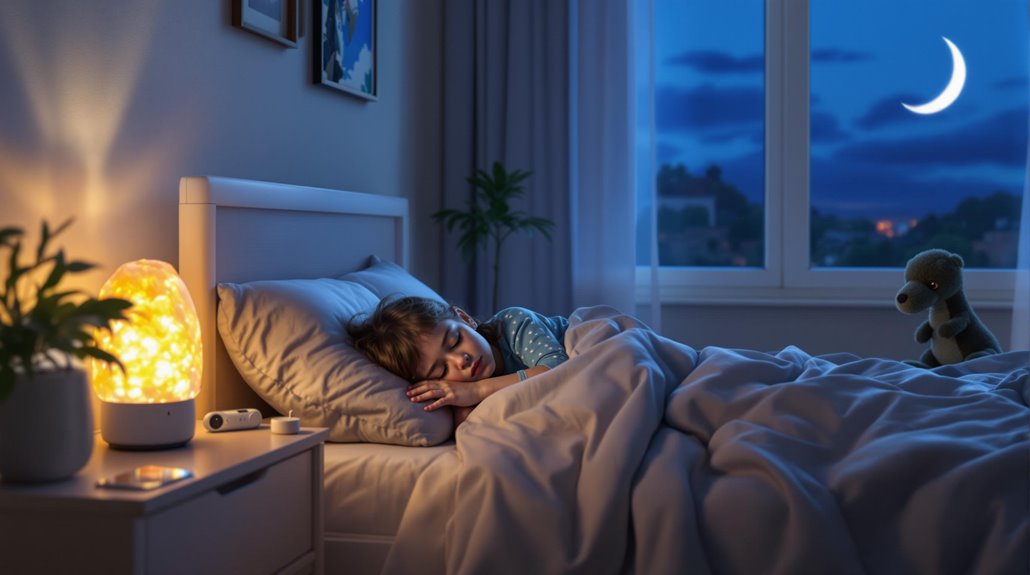
While alternative therapies can be beneficial, some children with autism require medical interventions to address persistent sleep issues. If you're considering medical treatment options for your child with autism spectrum disorder (ASD), you'll find several FDA-approved medications that can help manage sleep problems.
Your doctor might prescribe melatonin supplements, which can regulate your child's sleep-wake cycle and improve sleep onset. For more severe sleep problems, they may recommend prescription medications like clonidine or guanfacine, which can help with both sleep difficulties and anxiety-related symptoms common in ASD.
It's essential that you work closely with your child's healthcare provider to find the right medication and dosage. They'll monitor your child's response to treatment and adjust the approach as needed. You'll need to watch for potential side effects and report any concerns promptly. Remember that medical interventions work best when combined with good sleep hygiene practices and behavioral strategies. Your doctor will likely suggest starting with the lowest effective dose and may recommend periodic medication breaks to assess ongoing need and effectiveness.
Sensory Processing Solutions
Sensory processing challenges often lie at the heart of sleep difficulties for autistic children. If your child struggles with sleep, understanding and addressing their unique sensory needs can make a significant difference in their ability to rest peacefully.
You'll find that weighted blankets and compression vests can be powerful tools in your sleep strategy arsenal. These items provide deep pressure input that can help calm your child's nervous system and create a sense of security. You can also transform your child's bedroom into a sensory-friendly haven by installing blackout curtains to eliminate visual distractions and using white noise machines to mask disruptive sounds.
Creating a consistent bedtime routine that incorporates sensory-based activities is essential. You might include calming aromatherapy or tactile activities that your child finds soothing. Don't forget to examine specific sensory triggers that could be disrupting sleep, such as scratchy bedding materials or uncomfortable room temperatures. If you're unsure about the best approach, an occupational therapy evaluation can help identify personalized sensory processing solutions that will work best for your child's unique needs.
Technology and Sleep Management
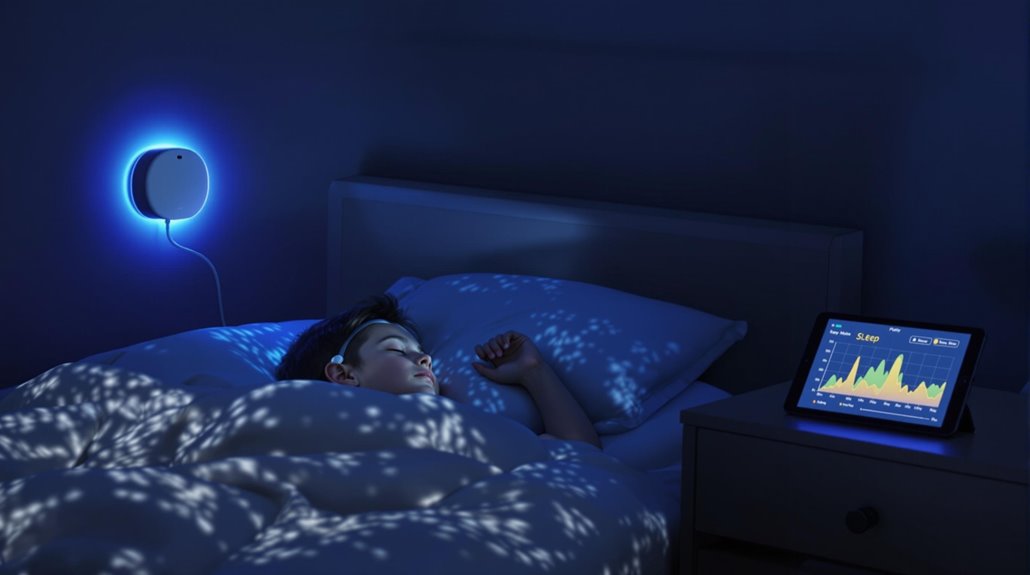
Technology's rapid advancement has revolutionized sleep management options for autistic children and their families. Sleep tracking devices now offer detailed perspectives into your child's sleep patterns, helping you identify specific issues that may be disrupting their rest. These wearables work alongside mobile apps that provide essential features like white noise generation and customizable bedtime routine guides.
You can enhance your child's sleep environment using smart home technologies that adjust lighting, temperature, and sound levels to create optimal sleeping conditions. These automated systems help maintain consistency, which is vital for autistic children's sleep routines. Virtual and augmented reality tools offer innovative ways to help your child decompress before bedtime, providing calming experiences that ease the process to sleep.
When you need professional guidance, telehealth consultations connect you with sleep specialists who can assess your child's sleep challenges remotely. These virtual appointments make it easier to receive expert advice and personalized interventions without the stress of in-person visits. By combining these technological solutions, you'll have a thorough toolkit to address your autistic child's sleep difficulties effectively.
Parent Support Systems
Parents frequently uncover that managing their autistic child's sleep disorders becomes more manageable through strong support systems. When you're dealing with autism and sleep challenges, connecting with other parents who understand your expedition can provide essential emotional support and practical solutions. You'll find that joining parent support groups, whether online or in-person, creates opportunities to share successful sleep strategies and learn from others' experiences.
To maximize the benefits of support systems, consider these key actions:
- Build a collaborative team of healthcare providers, educators, and therapists who can work together to address your child's sleep issues
- Join local or online parent support groups specifically focused on autism and sleep challenges
- Seek out respite care services to help manage nighttime awakenings and prevent caregiver burnout
- Participate in ongoing education and training sessions about sleep hygiene and behavioral interventions
You don't have to navigate this expedition alone. By actively engaging with support networks, you'll gain access to precious resources, practical advice, and emotional encouragement. Remember that building a strong support system isn't just beneficial for your child - it's essential for maintaining your own well-being as a caregiver.
Collaborative Healthcare Planning
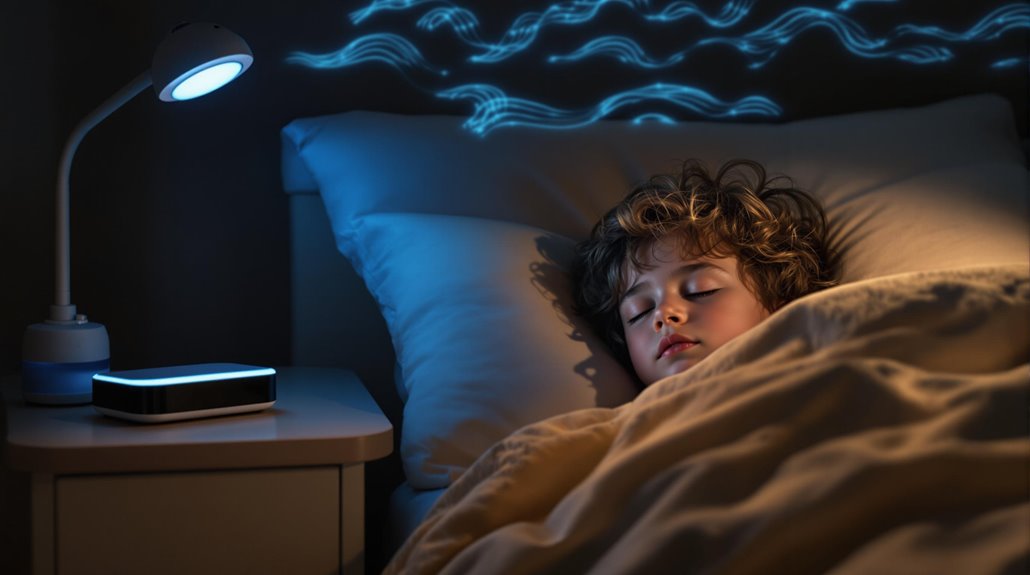
Building on the foundation of strong support systems, effective healthcare planning requires a coordinated team effort. When you're seeking solutions for sleep disorders in children with autism, you'll need to work closely with multiple healthcare providers who can address different aspects of your child's sleep challenges.
Your role as a parent is critical in this collaborative process. You'll want to maintain open communication with your child's healthcare team, sharing detailed observations about your child's sleep patterns and responses to various interventions. The team should include specialists who can conduct exhaustive sleep assessments, including medical evaluations and sleep studies, to identify the root causes of sleep disruptions.
You can expect your healthcare providers to work together to develop a personalized sleep plan that considers your child's unique needs. This plan should incorporate evidence-based strategies, sensory accommodations, and specific treatments customized to your child's situation. Don't hesitate to voice your concerns or questions about the proposed interventions. Regular monitoring and adjustment of the sleep plan, based on your child's progress and response, will help guarantee the best possible outcomes for improving sleep in children with autism.