National Weatherman’s Day in the United States: Honoring Weather Forecasters
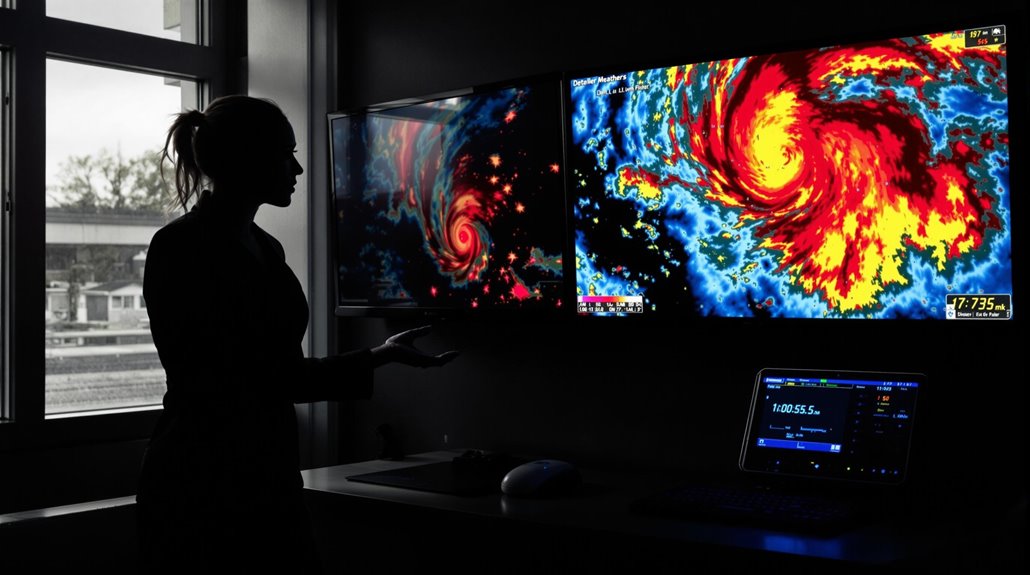
National Weatherperson's Day on February 5th honors the dedicated professionals who keep you informed about weather conditions every day. The date commemorates the birth of John Jeffries, America's first weather observer, who began recording daily weather observations in Boston in 1774. Today's weather forecasters combine advanced technology, scientific proficiency, and rigorous training to provide accurate predictions that help you plan activities and stay safe during severe weather. You'll find communities across the U.S. celebrating these crucial professionals through social media posts, gratitude messages, and weather-related facts. The evolution from simple sky-watching to modern forecasting reveals an incredible expedition of scientific advancement.
Origins of Weather Forecasting
From ancient times to modern day, weather forecasting has evolved from simple observations to a sophisticated science. You'll find that early civilizations, including the Babylonians, Greeks, and Chinese, were among the first to document weather observations and track atmospheric patterns to understand their environment better.
As you look through history, you'll see how weather forecasting advanced remarkably in the 18th century when John Hadley's research helped explain atmospheric circulation patterns. A pivotal moment came in 1752 when Benjamin Franklin's famous kite experiment revealed the electrical nature of thunderstorms, marking a key breakthrough in meteorological understanding.
The field took a major professional turn in the late 19th century with the establishment of the U.S. National Weather Service. This development wasn't just about creating another government agency - it represented a shift toward standardized weather forecasting practices across the nation. Today, you're benefiting from centuries of accumulated knowledge, technological advances, and systematic approaches to weather prediction that your ancestors could only dream about. What started as simple sky-watching has altered into a precise, data-driven science that affects your daily decisions.
John Jeffries Legacy
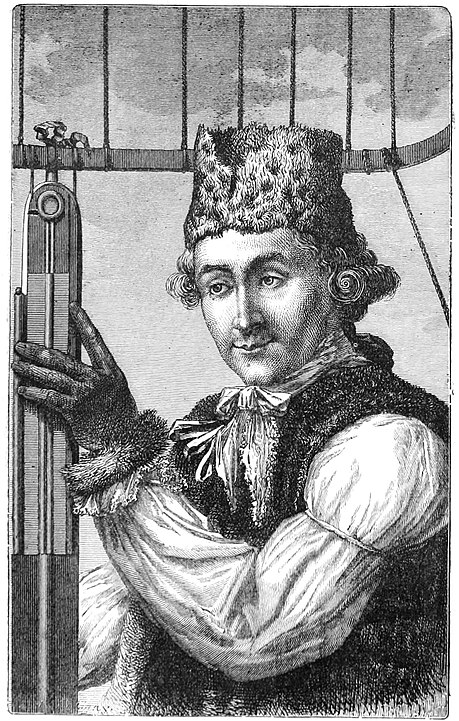
When you think about pioneering weather observers, John Jeffries stands out as an outstanding figure who shaped America's early meteorological history. His commitment to understanding weather patterns began in 1774 when he started conducting daily observations in Boston, making him one of America's first dedicated weather observers.
You'll find Jeffries' most exceptional achievement in 1784 when he took to the skies in a balloon to conduct atmospheric measurements. This groundbreaking approach to weather observations helped establish new methods for studying atmospheric conditions, setting the stage for modern forecasting techniques.
Today, you can see Jeffries' lasting impact through National Weatherperson's Day, celebrated annually on his birthday, February 5th. This recognition isn't just about honoring his memory - it's about acknowledging how his early work laid the foundation for today's sophisticated weather forecasting systems. When you check your daily weather forecast or plan activities around meteorological predictions, you're benefiting from the scientific groundwork that Jeffries helped establish. His dedication to systematic weather observations altered what was once guesswork into a precise scientific discipline that millions rely on daily.
Weather Technology Through Time
Building upon Jeffries' foundational work, weather forecasting technology has undergone extraordinary changes since the early days of manual observations. When you look at the BACKGROUND of weather forecasting in the 1950s, you'll find that meteorologists relied primarily on ground-based observations and basic mathematical models. Today's weather technology has evolved dramatically over the decades, giving you access to incredibly precise forecasts.
Here's how weather forecasting has been transformed:
- Supercomputers revolutionized forecasting in the 1970s-80s by processing complex numerical weather models
- Weather satellites launched in the 1960s-70s provided the first complete view of global weather patterns
- Doppler radar systems in the 1980s-90s enhanced severe weather detection and tracking
- Modern computer models now generate detailed long-term predictions
These technological advancements haven't just improved forecast accuracy - they've fundamentally changed how you receive weather information. From satellite imagery that tracks hurricane movements to radar systems that detect approaching tornadoes, today's forecasting tools give you unparalleled insight into weather patterns and help protect communities through timely, accurate warnings.
Modern Forecasting Methods
Modern weather forecasting integrates multiple sophisticated technologies to deliver predictions with unparalleled accuracy. If you've ever checked your local weather forecast, you're benefiting from complex numerical prediction models that simulate atmospheric conditions in real-time. These models process vast amounts of data from satellites, ground stations, and weather balloons to create detailed forecasts.
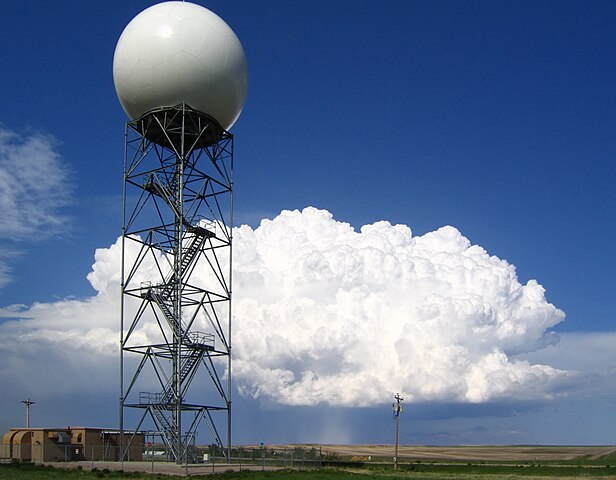
Today's weather forecasters rely heavily on the National Weather Service's network of Doppler radars, which track storms and provide essential updates about severe weather conditions. You'll notice that modern forecasts are more reliable because meteorologists now use ensemble forecasting, where they run multiple versions of weather models to account for various possibilities and uncertainties.
What makes today's forecasts particularly accurate is the advanced data assimilation techniques. These methods combine observational data from numerous sources, allowing forecasters to create a more comprehensive representation of atmospheric conditions. When you check your weather app or watch the local forecast, you're seeing the results of sophisticated computer modeling that processes millions of calculations to predict everything from tomorrow's temperature to next week's chance of precipitation.
Impact on Daily Life

Relying on weather forecasts has become an integral part of our daily routines. You'll find yourself checking the WEATHER multiple times a DAY to plan everything from your outfit to your commute. When meteorologists provide accurate FORECAST information, you're enabled to make informed decisions that affect your safety and comfort.
- You can confidently plan outdoor activities and events by knowing if it'll rain or shine
- You're able to prepare for severe weather conditions before they strike your area
- You can dress appropriately for the temperature and conditions ahead
- You'll know when to adjust travel plans based on weather-related risks
The impact of weather forecasting extends far beyond your personal life. When you're traveling, shipping packages, or working in weather-dependent industries like farming or construction, you depend on these predictions to operate safely and efficiently. Weather forecasts help you protect your property, schedule deliveries, and manage energy consumption. Whether you're a business owner monitoring conditions that could affect your operations or a parent deciding if it's safe for your children to play outside, reliable weather information has become essential to your decision-making process.
Weather Service Achievements
Over the past three decades, the National Weather Service has achieved exceptional improvements in its forecasting capabilities. You'll find extraordinary advancements in their ability to deliver accurate forecasts and life-saving warnings across multiple weather phenomena. When it comes to flash floods, they've more than tripled their warning lead time from 22 minutes in 1993 to 78 minutes in 2008, giving you vital extra time to prepare and evacuate.
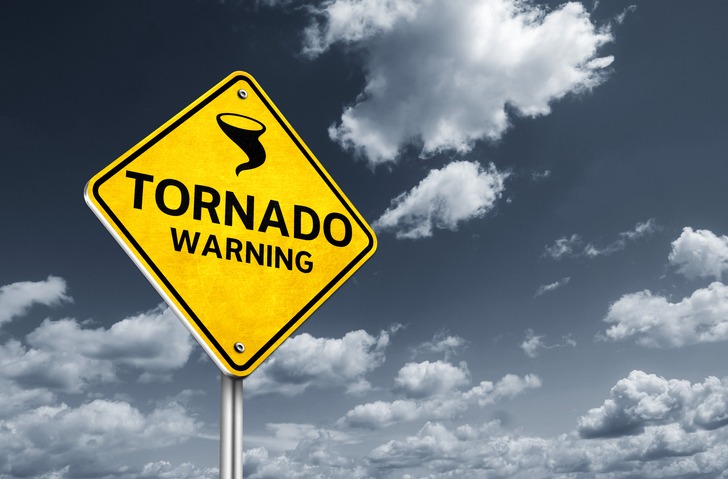
The NATIONAL Weather Service's tornado warnings have become radically more reliable, with accuracy jumping from 43% to 72%. Their weather forecasts for winter storms now achieve an impressive 89% accuracy rate, providing you with 17 hours of advance notice to prepare for severe conditions. You'll also benefit from their dramatically improved tropical storm predictions, as forecast track errors have been cut in half since 1990. These achievements aren't just statistics - they're the result of implementing state-of-the-art technology and refined forecasting methods. Thanks to these improvements, you can now rely on more precise warnings and longer lead times, which are essential for protecting lives and property during severe weather events.
Educational Requirements for Meteorologists
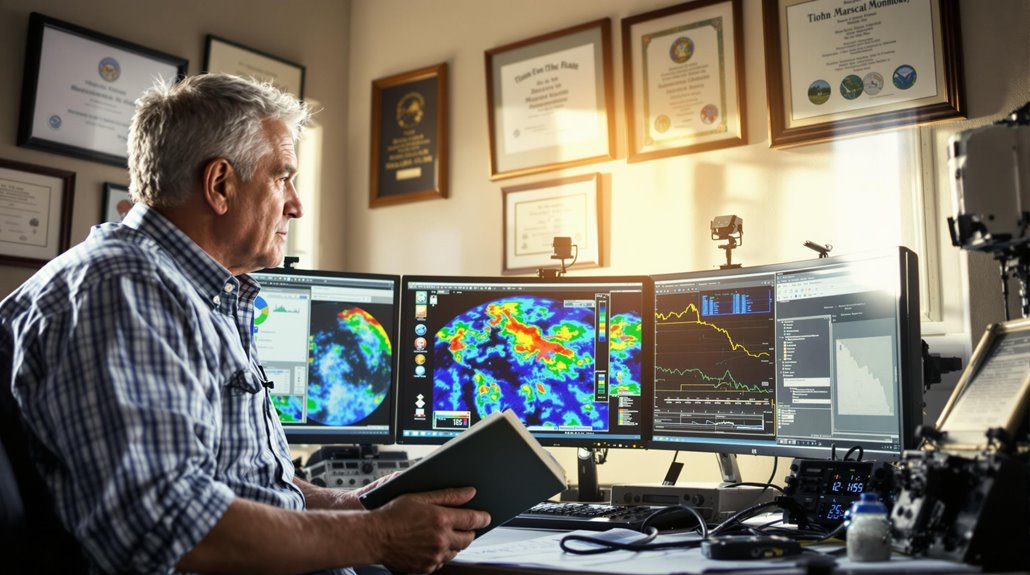
Professional meteorologists must complete rigorous academic training before launching their careers in weather forecasting. If you're interested in becoming a meteorologist, you'll need to start with a bachelor's degree in meteorology or atmospheric science. These programs include intensive coursework in physics, calculus, chemistry, and computer science, providing you with the fundamental knowledge needed to understand complex weather patterns and atmospheric conditions.
Many meteorologists don't stop at a bachelor's degree. You'll find that advancing in the field often requires a master's degree or Ph.D. in atmospheric science or related disciplines. The National Weather Service, in particular, requires specialized training for its weather forecasters.
- Advanced mathematics and physics form the core foundation of meteorological studies
- Computer modeling and data analysis skills are essential for modern forecasting
- Laboratory work helps develop practical experience with weather instruments
- Continuous education keeps you updated on new forecasting technologies
Throughout your career, you'll need to stay current with shifting weather modeling systems and forecasting technologies. Professional development isn't just recommended—it's necessary to maintain your effectiveness as a meteorologist in this transforming field.
Celebrating Weather Professionals
Each year on February 5th, we celebrate National Weatherperson's Day to honor the dedicated professionals who help keep us safe and informed about weather conditions. This date marks the birthday of John Jeffries, one of America's first weather observers, who began taking daily weather observations in Boston back in 1774. His pioneering work laid the foundation for modern meteorology.
Today's weather professionals continue this important legacy with advanced technology and extensive training. You'll find these experts working around the clock to forecast and report weather conditions, helping communities prepare for everything from daily weather patterns to severe storms. Their accuracy has improved dramatically over the years - just look at tornado warnings, which have become 29% more accurate since 1993.
When you see your local meteorologist providing the forecast, remember they've completed a four-year degree in meteorology and undergo continuous training to become proficient with new technologies. Their dedication helps save lives during extreme weather events, making them essential members of our community. National Weatherperson's Day gives you the opportunity to recognize these professionals who work tirelessly to keep you informed and protected.
Social Media Recognition
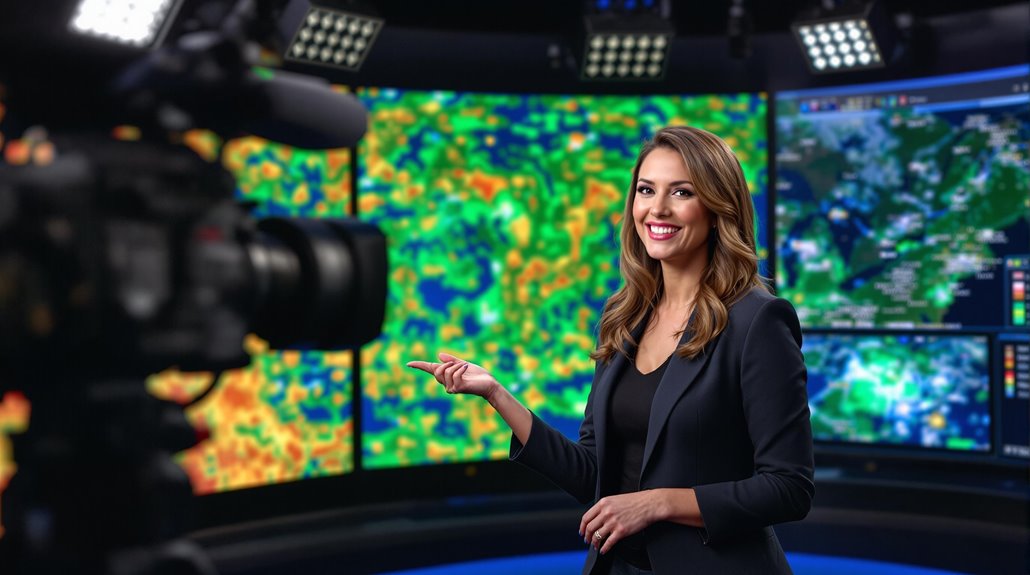
Social media platforms buzz with activity during National Weatherperson's Day, as people across the country reach out to their favorite meteorologists. You'll find countless messages of gratitude and appreciation shared through the hashtag #WeatherpersonsDay, connecting communities with their trusted weather forecasters.
If you're looking to join the celebration on social media, here are ways you can recognize your local weather professionals:
- Share personal stories about how their accurate weather predictions have helped you plan important events or stay safe during severe conditions
- Post photos of memorable weather observations alongside appreciation messages for your favorite forecaster
- Tag your local news station and weathercaster in thank-you posts highlighting their dedication to community safety
- Spread interesting meteorological facts to educate others about the science behind weather forecasting
You can make a real difference by highlighting exceptional weatherpersons who've made significant contributions to your community. Local news stations actively encourage this social media engagement, creating a positive atmosphere where viewers can express their gratitude for the professionals who work tirelessly to keep them informed about weather conditions and potential hazards.
Community Safety and Preparation
Weather forecasters stand at the forefront of community safety, providing critical information that helps save lives during severe weather events. When dangerous conditions approach, these dedicated professionals keep us informed through real-time updates and emergency alerts, enabling communities to take immediate protective actions. You'll find their proficiency particularly indispensable during hurricanes, tornadoes, and other extreme weather phenomena that require swift response.
Thanks to accurate forecasting, you can plan our activities more safely while local officials coordinate emergency responses. Schools can decide whether to close during winter storms, businesses can adjust their operations, and transportation services can modify their schedules to protect public safety. The National Weather Service's enhanced accuracy has revolutionized how communities prepare for and respond to weather threats.
When you receive detailed forecasts about temperature, precipitation, and wind conditions, you're better equipped to make informed decisions about your daily activities. These predictions don't just offer convenience - they're essential tools that help emergency responders mobilize resources and communities implement their disaster preparedness plans. Through their commitment to accuracy, weather forecasters continue to strengthen community resilience against nature's most challenging moments.
Weather Observers in Action

Dedication drives weather observers to collect indispensable atmospheric data around the clock, continuing a noble tradition that dates back to pioneers like John Jeffries in the 18th century. From the birth of Dr. Jeffries' weather observations in Boston in 1774 to today's advanced monitoring systems, passionate men and women have devoted themselves to understanding our atmosphere's behavior.
You'll find modern weather observers using sophisticated tools and techniques, but their fundamental mission remains unchanged: gathering accurate data to protect communities. Today's observers work with:
- Advanced weather balloons and satellite systems
- Automated sensor networks providing real-time data
- Mobile radar units tracking storm developments
- Volunteer storm spotters reporting ground conditions
You're benefiting from a vast network of observers who've built upon Jeffries' legacy. Just as he ventured across the English Channel with Blanchard in 1785 to study atmospheric conditions, today's weather observers push boundaries to collect essential data. They're stationed at airports, research facilities, and weather stations nationwide, working tirelessly to provide the accurate information meteorologists need for reliable forecasts. Their commitment helps keep you informed and safe during all weather conditions.
Related posts