Living With Non-24-Hour Sleep-Wake Syndrome: a Personal Perspective

Living with Non-24-Hour Sleep-Wake Syndrome means your internal body clock doesn't align with the standard 24-hour day. You'll experience a constantly shifting sleep pattern that moves around the clock, making it challenging to maintain regular work hours, social commitments, and daily routines. You might feel wide awake at 3 AM and exhausted at noon, struggling to explain to others why you can't "just go to bed earlier." While treatments like light therapy, melatonin supplements, and structured routines can help manage symptoms, you'll need to develop personalized strategies to traverse life with this chronic condition. Understanding the full scope of Non-24 opens doors to better management and support.
Understanding The Sleep-Wake Cycle
How does your body know when it's time to sleep or wake up? The answer lies in your circadian rhythm, often called your body clock. This internal timekeeper, controlled by the suprachiasmatic nucleus in your brain, naturally aligns with the 24-hour day-night cycle to regulate your sleep-wake cycle.
When you have a circadian rhythm disorder like Non-24-Hour Sleep-Wake Syndrome, your body clock doesn't properly synchronize with environmental cues. Instead of maintaining a consistent schedule, your sleep patterns gradually drift later each day. This desynchronization means you'll find yourself fighting sleep when you should be awake and feeling alert when you should be sleeping.
Your body's production of melatonin, the sleep hormone, becomes misaligned with natural light exposure patterns. This disruption can lead to chronic sleep deprivation, making it challenging to maintain regular work, school, or social commitments. Unlike other sleep disorders that maintain a fixed pattern, Non-24 creates a continuously shifting cycle that moves around the clock, noticeably impacting your daily life and overall well-being.
Signs and Effects
Three key signs typically mark the presence of Non-24-Hour Sleep-Wake Syndrome. First, you'll notice your sleep-wake cycle gradually shifting later each day, making it difficult to maintain a consistent schedule. Second, you'll experience periods where your circadian rhythm temporarily aligns with normal time, followed by inevitable disruptions as your internal clock continues to drift. Third, you'll find yourself struggling with both nighttime insomnia and daytime sleepiness as your body's rhythm falls out of sync with the light-dark cycle.
The effects of this disorder can profoundly impact your daily life and health. When your circadian clock isn't properly aligned, you'll likely face chronic sleep deprivation, which can lead to serious consequences. As an affected individual, you're at higher risk for cardiovascular disease, obesity, and diabetes. The constant battle with your body's natural rhythm can also take a toll on your mental health, potentially triggering depression. While some individuals might experience brief periods of normal sleep patterns, the cyclical nature of the disorder means these improvements are temporary, and symptoms will return as your sleep cycle continues to shift.
Daily Challenges
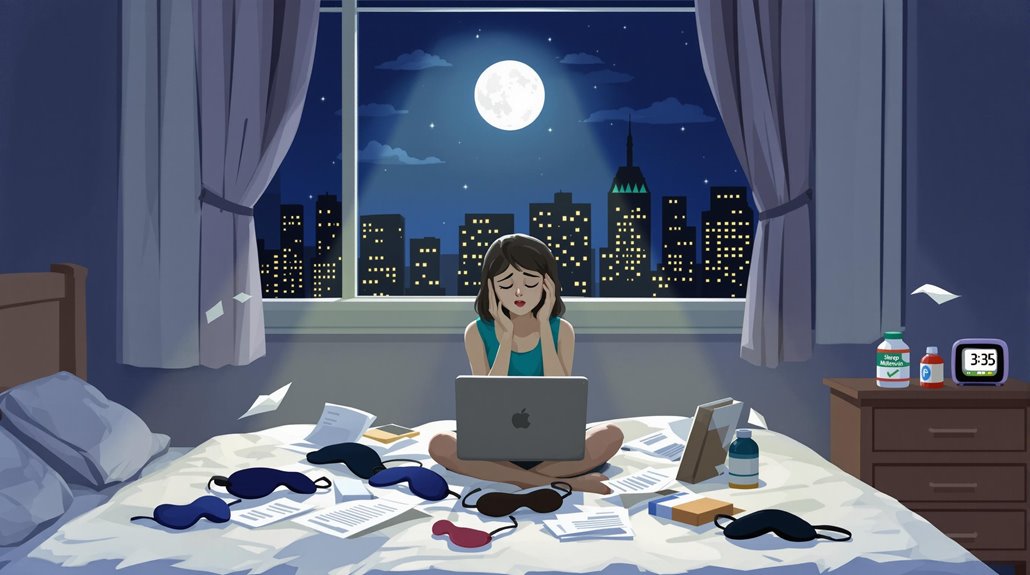
Living with Non-24's daily disruptions creates a constant tug-of-war between your body's natural rhythm and society's fixed schedule. Your circadian rhythm disorders force you to traverse a world that doesn't align with your body's internal clock, making everyday commitments feel like an uphill battle.
As your sleep phase continues to shift, you'll find yourself struggling to maintain consistent work or school hours. When your body wants to sleep during the day and stay awake at night, you're left trying to function during hours that feel unnatural to your system. Your sleep cycles don't follow the traditional 24-hour pattern, which means you're often fighting against your body's natural signals for rest.
The constant mismatch between your sleep time and societal expectations can make treatment more challenging. You might miss important meetings, social events, or deadlines because your body simply won't cooperate with conventional schedules. Even when you try to push through and stay awake, your cognitive abilities and alertness suffer, making simple tasks feel overwhelming. This perpetual struggle between your internal clock and external demands can leave you feeling isolated and frustrated.
Medical Support Options
Several medical support options exist for managing Non-24, and working with healthcare providers is crucial for developing an effective treatment plan. Your doctor may recommend light therapy to help regulate your circadian rhythms, along with melatonin supplements or prescription medications specifically designed for Non-24-Hour Sleep-Wake Rhythm Disorder. These treatments aim to synchronize your body's internal clock with the 24-hour day.
You'll also find usefulness in cognitive-behavioral therapy, which can help you develop better sleep habits and cope with the disorder's impact on your daily life. If you need specialized medications, specialty pharmacies like Accredo can provide dedicated support and help maneuver insurance coverage. Don't let cost concerns prevent you from seeking treatment - financial assistance programs through manufacturers and community organizations are available to help make medications more affordable.
Consider joining support groups or connecting with the Circadian Sleep Disorders Network. They offer beneficial resources, education, and a community of people who understand your experiences. These organizations can provide practical advice and emotional support while helping you stay informed about the latest treatment options and research developments.
Coping Strategies

Beyond medical treatments, developing practical coping strategies can make a significant difference in managing Non-24. If you're struggling with Non-24-Hour Sleep-Wake Syndrome, you'll need to adapt your daily routines to work with, rather than against, your body's natural rhythms. While treatments like light therapy and melatonin can help, they're often more effective when combined with lifestyle adjustments.
Start by working with your employer or school to create a flexible work schedule that accommodates your shifting sleep patterns. This might mean remote work options or modified hours. You'll also want to establish a support system of people who understand Circadian Rhythm Sleep-Wake Disorders. Let family and friends know about your condition so they can better understand why you can't always maintain conventional social schedules. Consider joining support groups for people with delayed sleep phase disorder or Irregular Sleep-Wake Rhythm Disorder - they often have helpful perspectives to share. Cognitive-behavioral therapy can help you develop coping mechanisms and address any anxiety or stress related to your condition. Remember to document your sleep patterns, as this information can help both you and your healthcare providers make better-informed decisions about managing your symptoms.
Building a Support Network
While managing Non-24 can feel isolating, building a strong support network will greatly improve your ability to cope with the condition. This is especially true for totally blind people, who often experience Non-24 due to the absence of light perception. You'll find valuable comprehension and understanding by connecting with others who share similar experiences, whether they're blind subjects or sighted individuals dealing with the disorder.
Online communities and support groups offer platforms where you can:
- Share experiences and coping strategies with others who understand your daily challenges
- Learn about the latest research from experts like Lockley SW, Eastman CI, and Burgess HJ
- Exchange practical tips for managing work, relationships, and daily activities
Don't hesitate to be open with your family, friends, and employers about your condition. When they understand the nature of Non-24, they're more likely to provide the support and flexibility you need. Consider working with sleep specialists who have experience treating blind persons with Non-24. These healthcare providers can help you develop personalized strategies and connect you with local resources, making your path with Non-24 more manageable.
Lifestyle Adjustments

A strong support system sets the foundation for making necessary lifestyle adjustments when living with Non-24. You'll need to carefully plan your daily activities around your shifting sleep-wake cycle, which requires diligent attention to your intrinsic circadian rhythm.
Keeping a detailed sleep log or sleep diary helps you track your wake times and identify patterns in your circadian pacemaker. This information becomes essential when coordinating work, school, and social commitments with your unique schedule. You'll want to optimize light exposure throughout your day, incorporating bright light therapy at specific times to help regulate your body's internal clock.
To maintain stability, you'll need to establish structured routines whenever possible. This includes consistent meal timing, planned exercise sessions, and social activities that align with your current sleep pattern. While it's challenging to maintain a conventional schedule, you can work with your natural rhythm by making strategic lifestyle adjustments. Focus on activities that can be flexibly scheduled and consider remote work or flexible study options that accommodate your shifting sleep-wake cycle. Remember to update your sleep diary regularly to track the effectiveness of these adjustments.
Treatment Progress
Managing Non-24 often requires a combination of treatments working in tandem. Your treatment path might include tasimelteon, a medication that targets melatonin receptors to help regulate your circadian timing system. When combined with light therapy and melatonin supplements, you'll have a better chance of synchronizing your internal clock with the natural light-dark cycle.
- Regular sessions with sleep specialists to adjust medication timing and dosage
- Ongoing cognitive-behavioral therapy to address sleep-related behaviors
- Consistent monitoring of your sleep-wake cycle through sleep logs and tracking devices
Your progress in treating Non-24-hour sleep-wake disorder will likely involve some trial and error. While maintaining a consistent sleep-wake schedule remains challenging, you'll find that certain combinations of treatments work better than others. Light therapy can help anchor your circadian rhythm, while cognitive-behavioral therapy provides tools to manage the psychological aspects of irregular sleep patterns. Remember that even with effective treatment, you may still experience periods where your sleep timing drifts. It's important to work closely with your healthcare team to fine-tune your treatment plan and maintain flexibility in your daily commitments as you continue to manage this condition.
Future Outlook

Research into Non-24-hour sleep-wake syndrome continues to advance, offering hope for improved treatments and management strategies. As technology evolves, you'll likely see more sophisticated advanced light therapy devices that can help regulate your circadian clock more effectively. These developments, combined with a better understanding of your circadian system and phase response curve, may lead to more precise treatment timing and better outcomes.
Your future outlook with Non-24 may be brighter than you think. Scientists are constantly discovering new ways to manipulate light and dark exposure, and they're refining the use of treatments like bright light therapy and melatonin (0.5 mg) dosing. As research progresses, you'll have access to more options for managing your condition and maintaining proper regulation of sleep patterns.
While living with Non-24 presents unique challenges, you're not alone in this endeavor. The growing attention from rare disease research groups means more resources and support will become available. With improved understanding of time cues and their effects on your circadian system, you'll be better equipped to manage your symptoms and maintain a higher quality of life.