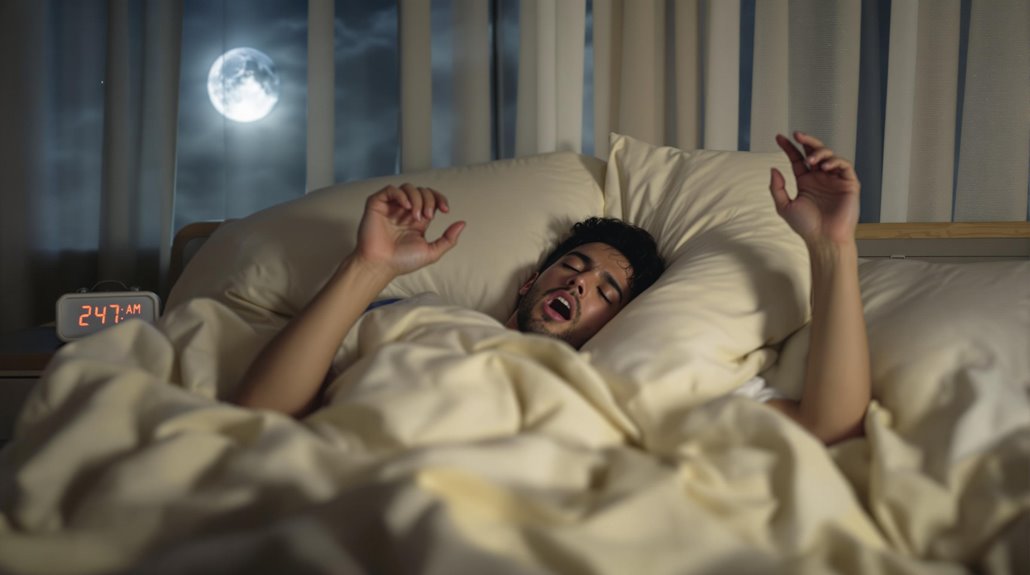
Learning the Causes and Symptoms of Common Sleeping Disorders
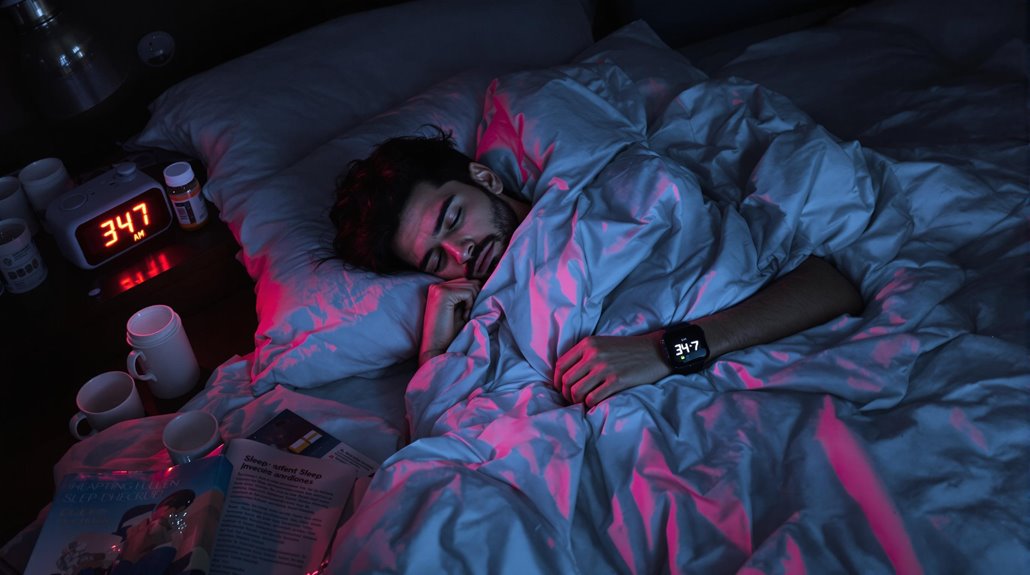
Sleep disorders can vitally impact your daily life, affecting over 70 million Americans annually. You'll commonly encounter conditions like insomnia, which makes it hard to fall or stay asleep, and sleep apnea, marked by loud snoring and breathing pauses. Other disorders include narcolepsy (excessive daytime sleepiness), restless leg syndrome (uncontrollable leg movements), and parasomnias (unusual sleep behaviors). The causes vary widely, from stress and anxiety to physical conditions like obesity or hormonal imbalances. Pinpointing your specific symptoms and risk factors is essential - understanding these elements will help you take the first step toward better sleep.
Understanding Sleep Disorders
Over the past few decades, sleep disorders have emerged as a significant health concern affecting millions of people worldwide. If you're experiencing persistent sleep issues, you might be dealing with one of over 80 identified sleep disorders, including common conditions like insomnia, sleep apnea, restless leg syndrome, or narcolepsy.
When your sleep quality is compromised, you may notice various symptoms that affect both your nights and days. These can include trouble falling asleep, waking up frequently during the night, feeling excessively tired during daytime hours, or experiencing unusual sleep behaviors. Understanding these symptoms is pivotal because they often point to specific sleep disorders that require different treatment approaches.
To properly diagnose your condition, medical professionals will examine your sleep patterns through sleep studies and evaluate your overall health for underlying medical conditions that might be affecting your rest. They'll also assess your sleep hygiene and daily habits that could be contributing to your sleep issues. Whether your sleep disorder stems from physiological, psychological, or environmental factors, identifying the root cause is essential for developing an effective treatment plan.
Common Types of Sleep Disorders
While understanding sleep disorders broadly helps identify potential issues, recognizing specific types can lead to better treatment outcomes. Among these, insomnia stands as the most prevalent sleep disorder, affecting up to one-third of adults who struggle with falling or staying asleep, considerably impacting their sleep quality.
You'll find that obstructive sleep apnea presents another serious concern, disrupting breathing patterns during sleep for at least 30 million Americans. If you're experiencing excessive daytime sleepiness and sudden muscle weakness, you might be dealing with narcolepsy, a rare condition affecting about 1 in 2,000 people. For those with restless leg syndrome, you'll notice an overwhelming urge to move your legs, particularly at night, which affects up to 15% of the population.
Your sleep health might also be impacted by parasomnias, which involve unusual sleep behavior like sleepwalking. These conditions are especially common in children, affecting up to 20% of young people. Understanding these distinct sleep disorders can help you identify your symptoms and seek appropriate treatment to improve your overall sleep quality and daily functioning.
Primary Sleep Disorder Causes
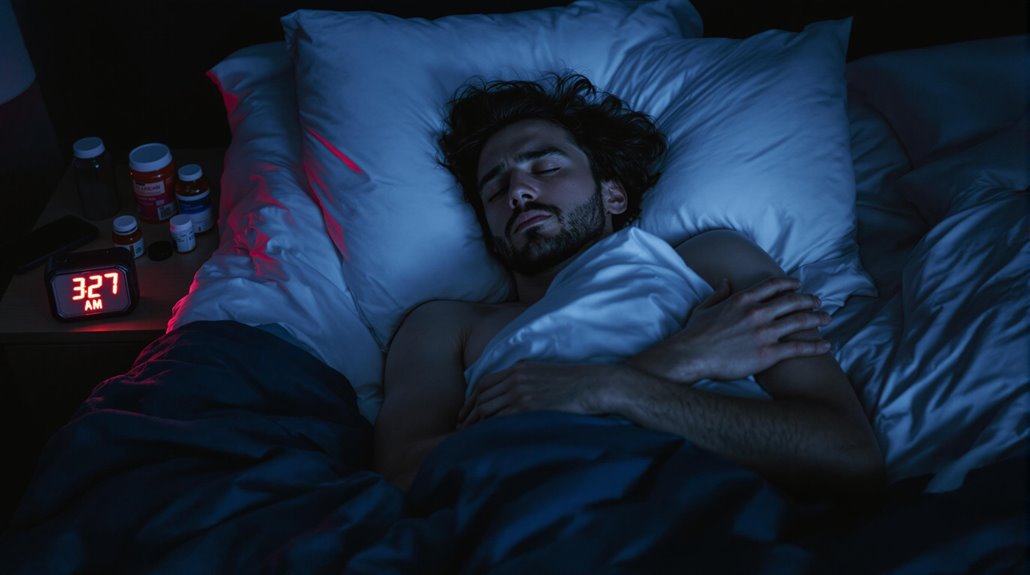
Understanding the root causes of sleep disorders helps pinpoint effective treatments for your specific condition. If you're experiencing insomnia disorder, you might be dealing with underlying anxiety, depression, stress, or certain medications that disrupt your sleep quality. When it comes to obstructive sleep apnea, the primary causes sleep breathing difficulties are relaxed throat muscles or excess body weight that blocks your airway during rest.
For those struggling with restless legs syndrome, your symptoms likely stem from a dopamine imbalance in your brain, and there's a good chance it runs in your family. If you've been diagnosed with narcolepsy, you're dealing with a deficiency in hypocretin, a vital neurotransmitter that regulates your sleep-wake cycle. Meanwhile, circadian rhythm sleep-wake disorders can develop when your internal body clock gets disrupted by factors like jet lag or irregular work schedules.
Understanding what causes sleep problems is essential because each sleep disorder requires a different approach to treatment. Whether you're dealing with sleep apnea, insomnia, or other sleep disorders, identifying the root cause is your first step toward improving your sleep quality.
Recognizing Sleep Disorder Symptoms
Recognizing symptoms of sleep disorders early can make a significant difference in getting proper treatment. If you're experiencing difficulty falling asleep or staying asleep regularly, you might be dealing with insomnia. Sleep apnea often reveals itself through loud snoring and breathing pauses during sleep, accompanied by excessive daytime sleepiness. If you find yourself suddenly losing muscle control while feeling overwhelmingly sleepy during the day, these could be signs of narcolepsy.
Watch out for these additional warning signs that may indicate a sleep disorder:
- You feel an uncontrollable urge to move your legs, particularly in the evening hours (restless leg syndrome)
- You experience unusual behaviors during sleep, such as sleepwalking or intense nightmares (parasomnias)
- You wake up feeling unrefreshed, despite getting adequate hours of sleep
Understanding these symptoms can help you identify potential sleep disorders and seek appropriate medical attention. Remember that sleep disorders often share similar symptoms, so it's crucial to track your specific sleep patterns and symptoms carefully. This information will help your healthcare provider make an accurate diagnosis and develop an effective treatment plan designed for your needs.
Risk Factors to Consider
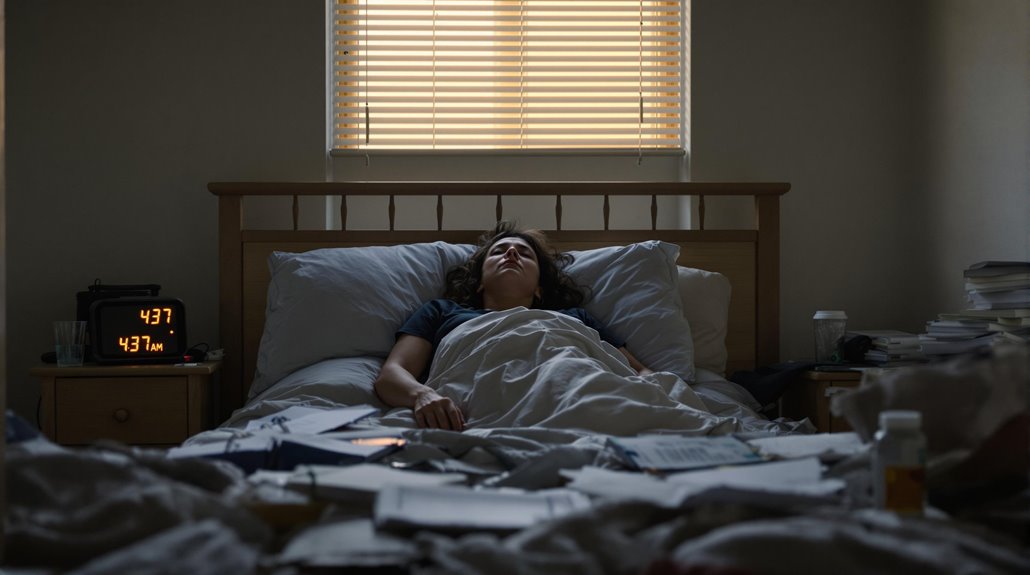
Several key risk factors can make you more susceptible to developing sleep disorders. If you're older, obese, or have a family history of sleep breathing problems, you're at higher risk for sleep apnea. Your lifestyle and mental health play indispensable roles too - high stress levels, anxiety, and depression can trigger insomnia, making it harder for you to fall or stay asleep.
If you have neurological conditions like Parkinson's or Alzheimer's disease, you might be more prone to parasomnias, which include behaviors like sleepwalking during rest. For restless leg syndrome, you're at increased risk if you're pregnant, have anemia, or suffer from peripheral neuropathy. These conditions can cause uncomfortable sensations that force you to move your legs frequently.
Your genes and body chemistry also influence your sleep health. If you have hormonal imbalances or take certain medications, you might be more likely to develop narcolepsy, which causes excessive daytime sleepiness. Understanding these risk factors is essential because they'll help you and your healthcare provider identify potential sleep disorders early and develop appropriate treatment strategies.
Sleep Disorder Diagnosis Methods
Once risk factors point to a potential sleep disorder, medical professionals employ various diagnostic tools to pinpoint the specific condition. Your doctor might recommend polysomnography, also known as a sleep study, which records multiple body functions during sleep, including brain waves, heart rate, and oxygen levels. If you're experiencing breathing issues while sleeping, home sleep apnea testing offers a convenient way to monitor your breathing patterns from the comfort of your bed.
For tracking sleep habits over time, you'll find several diagnostic methods available:
- Actigraphy uses a wearable device to monitor your rest-activity cycles, helping doctors understand your sleep-wake patterns
- Multiple sleep latency tests assess how quickly you fall asleep during scheduled naps, particularly useful in diagnosing conditions like narcolepsy
- Sleep diaries and questionnaires provide insightful information about your sleep quality and daytime impairment
These diagnostic tools work together to create an encompassing representation of your sleep health. Your healthcare provider will choose the most appropriate testing methods based on your symptoms and suspected sleep disorder, ensuring an accurate diagnosis and effective treatment plan.
Treatment Options Available

Treatment for sleep disorders varies widely depending on your specific condition, with options ranging from behavioral changes to medical interventions. If you're struggling with insomnia, you'll likely benefit from a combination of cognitive behavioral therapy and sleep-promoting medications, alongside improving your sleep hygiene practices.
For sleep apnea, your doctor may recommend continuous positive airway pressure (CPAP) therapy, which helps keep your airway open while you sleep. Alternatively, oral appliances can be effective for some patients, while others might require surgical intervention. If you're dealing with restless leg syndrome, your treatment plan will typically include medications that regulate dopamine levels, combined with lifestyle modifications such as reducing caffeine intake and maintaining consistent sleep schedules.
Those diagnosed with narcolepsy often require a detailed approach that includes stimulant medications to stay alert during the day, along with medications that help regulate sleep patterns. Your healthcare provider might also suggest specific lifestyle modifications customized to your condition. Remember that successful treatment often involves trying different approaches and finding what works best for your specific sleep disorder.
Prevention and Lifestyle Changes
Prevention stands at the forefront of managing sleep disorders, with lifestyle modifications playing an essential role in maintaining healthy sleep patterns. You can regulate your circadian rhythm by sticking to a consistent sleep schedule and limiting exposure to electronic devices before bedtime. Creating an optimal sleep environment that's dark, quiet, and comfortable will significantly improve your sleep hygiene and help prevent various sleep disorders.
Your daily habits greatly influence your sleep-wake cycles. Regular exercise can reduce stress and promote better sleep quality, but you'll want to avoid working out too close to bedtime. It's also crucial to manage your consumption of stimulants and depressants, particularly caffeine and alcohol, especially in the evening hours.
Practice relaxation techniques like meditation or deep breathing exercises to calm your mind before bed. Establish a bedtime routine that signals to your body it's time to wind down. Keep your bedroom dedicated to sleep by removing distractions and maintaining a cool temperature.
Managing Sleep Disorders Long Term

A successful path to managing sleep disorders requires dedication to long-term solutions and consistent monitoring. When you're dealing with chronic insomnia, cognitive behavioral therapy (CBT) should be your first treatment choice, as it'll help you develop better sleep habits and handle stress more effectively. For sleep apnea, you'll need to commit to using CPAP therapy consistently to maintain its benefits and improve your quality of rest.
Your management plan will likely combine several approaches. While lifestyle changes form the foundation of treatment, you may also need medication under your doctor's supervision. However, you'll need to be cautious with sleeping pills to avoid developing dependency. Regular follow-up appointments with your healthcare provider are essential to track your progress and adjust your treatment plan as needed.
Remember that successful long-term management isn't about quick fixes. You'll need to stay committed to your therapy sessions, maintain healthy sleep habits, and work closely with your medical team. They'll help you fine-tune your treatment approach and address any new challenges that arise during your expedition to better sleep.
Related posts