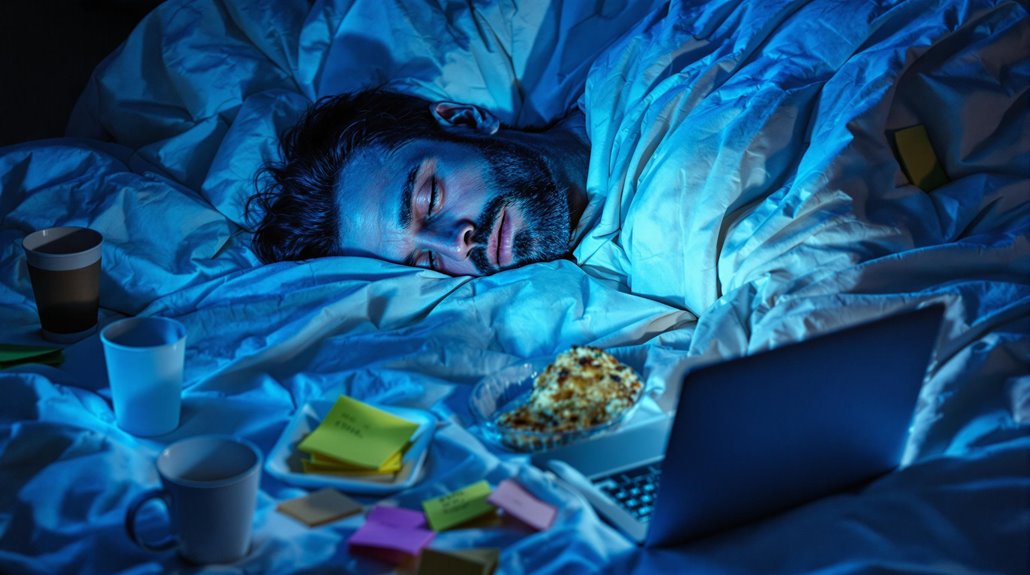
Is Lack of Sleep Sabotaging Your Workout Routine?

Yes, lack of sleep is likely sabotaging your workout routine. When you're not getting enough rest, your physical performance can drop by up to 30% in key areas like strength, endurance, and reaction time. Your body needs 7-9 hours of quality sleep to properly recover and build muscle after exercise. Training while sleep-deprived not only limits your gains but also increases your risk of injury. If you're consistently getting less than 6 hours of sleep, you'll want to prioritize rest over exercise. Understanding the sleep-exercise connection can alter your fitness expedition and optimize your results.
The Sleep-Exercise Connection
The relationship between sleep and exercise forms a powerful cycle that can either enhance or undermine your fitness goals. When you engage in physical activity, your brain produces more adenosine, a compound that naturally promotes healthy sleep. This means your workouts can directly improve your sleep quality, especially when you choose the right timing and intensity for your exercises.
However, if you're experiencing sleep deprivation, you'll likely notice its immediate impact on your athletic performance. You'll tire more quickly during workouts, struggle with concentration, and might even experience symptoms similar to overtraining. It's a counterproductive cycle - poor sleep makes your workouts feel harder, which might discourage you from maintaining your exercise routine.
The key is finding the right balance. If you're dealing with sleep issues, consider adjusting your workout schedule. Moderate-intensity exercises can help reduce pre-sleep anxiety, but avoid high-intensity workouts close to bedtime as they might delay your sleep onset. Remember, sometimes prioritizing rest over exercise is the smarter choice for your overall fitness expedition, as quality sleep will ultimately support your long-term exercise goals.
Understanding Sleep's Impact on Fitness
In light of modern fitness research, understanding sleep's fundamental impact on physical performance has become increasingly vital. Your sleep duration and quality directly influence how effectively your body responds to Physical Exercise, with good quality sleep playing an essential role in muscle recovery and hormone regulation.
When you're not getting enough rest, your body's natural processes start working against your fitness goals. Poor sleep habits can lead to:
- Decreased testosterone and growth hormone production, which are necessary for muscle repair and strength gains
- Raised cortisol levels that may promote weight gain and muscle breakdown
- Compromised metabolism and disrupted appetite-regulating hormones
To maximize your workout results, you'll need to prioritize sleep as much as your exercise routine. Aim for 7-9 hours of consistent, quality rest each night. Think of sleep as your body's natural performance enhancer - it's when your muscles repair, your hormones regulate, and your body prepares for the next day's physical challenges. Without adequate sleep, you're essentially training with one hand tied behind your back, limiting your potential gains and compromising your overall fitness progress.
Hormonal Changes During Sleep Deprivation
Hormonal disruptions from sleep deprivation can derail your fitness progress more severely than you might realize. When you're not getting enough sleep, your body experiences a significant drop in testosterone - as much as 10-15% in just one week. This hormonal imbalance doesn't just affect your energy levels; it actively works against your fitness goals by reducing muscle growth and promoting fat storage.
Your body's delicate hormone balance depends heavily on quality sleep. During deep sleep phases, your body releases growth hormone, which plays an essential role in protein synthesis, tissue repair, and bone development. When you're sleep-deprived, the relationship between cortisol and testosterone becomes skewed, leading to increased muscle breakdown and unwanted fat accumulation.
Even missing just one hour of sleep per night adds up quickly - that's 14 hours of lost recovery time each week. This deficit disrupts your appetite-regulating hormones, leptin and ghrelin, creating a false sense of caloric need. As a result, you'll likely find yourself eating more and struggling to maintain a healthy weight, despite your best efforts in the gym.
Sleep Quality Affects Workout Performance
Consistently poor sleep quality can devastate your workout performance in ways you might not expect. When you're not getting enough sleep, your body struggles to maintain the energy and focus needed for effective exercise. Lack of sleep makes your workouts feel more challenging, leading to quicker fatigue and diminished concentration during training sessions.
Your fitness goals become harder to achieve when you don't give your body time to rest properly. Research shows that even missing a single night of adequate sleep can markedly reduce your endurance on the treadmill. To optimize your workout performance, consider these indispensable sleep-exercise connections:
- Moderate-intensity exercise before bed can help reduce anxiety and promote better sleep
- High-intensity workouts close to bedtime might keep you awake longer
- Regular exercise increases adenosine production, helping you feel naturally sleepier at night
The hours you spend sleeping are just as important as the hours you spend exercising. When you prioritize quality sleep, you'll notice improved workout efficiency, better motivation to stick to your exercise routine, and enhanced focus during training sessions. This creates a positive cycle where better sleep leads to better workouts, and vice versa.
Recovery and Rest Cycles
Through the lens of exercise science, sleep plays a fundamental role in your body's recovery and rest cycles. When you're sleeping, your body actively repairs muscle tissue, regulates hormones, and supports the adaptations that make you stronger and more resilient. If you're not getting enough quality sleep, you're essentially undermining your body's natural recovery processes.
Your sleep quality directly impacts your muscle growth and performance potential. During deep sleep, your body produces essential hormones like testosterone and growth hormone, which are imperative for building and maintaining lean muscle mass. When you skimp on rest, you'll notice the effects almost immediately - your endurance can drop by up to 30%, and your coordination suffers.
If you continue to sacrifice sleep, you're setting yourself up for a cascade of problems. Your cortisol levels rise, leading to increased muscle breakdown and compromised immune function. To optimize your workout results, you'll need to prioritize 7-9 hours of sleep each night. This isn't just about feeling refreshed - it's about giving your body the time it needs to complete its pivotal recovery cycles and prepare for your next training session.
Exercise Timing and Sleep Quality
Timing plays a critical role in how exercise affects your sleep quality and overall fitness results. If you're struggling with poor sleep, your physical health and workout performance can suffer greatly. Research shows that just one night of inadequate rest can decrease your endurance on the treadmill, making it harder to achieve your fitness goals.
Your body's circadian rhythm responds well to regular exercise, which creates adenosine in your brain to promote better sleep. However, the timing of your workouts matters. To optimize the effects of sleep on your mental health and exercise performance, consider these key timing strategies:
- Choose moderate-intensity workouts before bed to reduce pre-sleep anxiety
- Avoid high-intensity exercises close to bedtime, as they can delay sleep onset
- Schedule workouts when you're most likely to stick to them consistently
Getting a good night's rest isn't just about feeling refreshed - it's essential for maintaining your exercise motivation and preventing premature fatigue during workouts. By aligning your exercise schedule with your body's natural sleep-wake cycle, you'll create a positive feedback loop that enhances both your sleep quality and fitness results.
Signs of Sleep-Related Fitness Decline
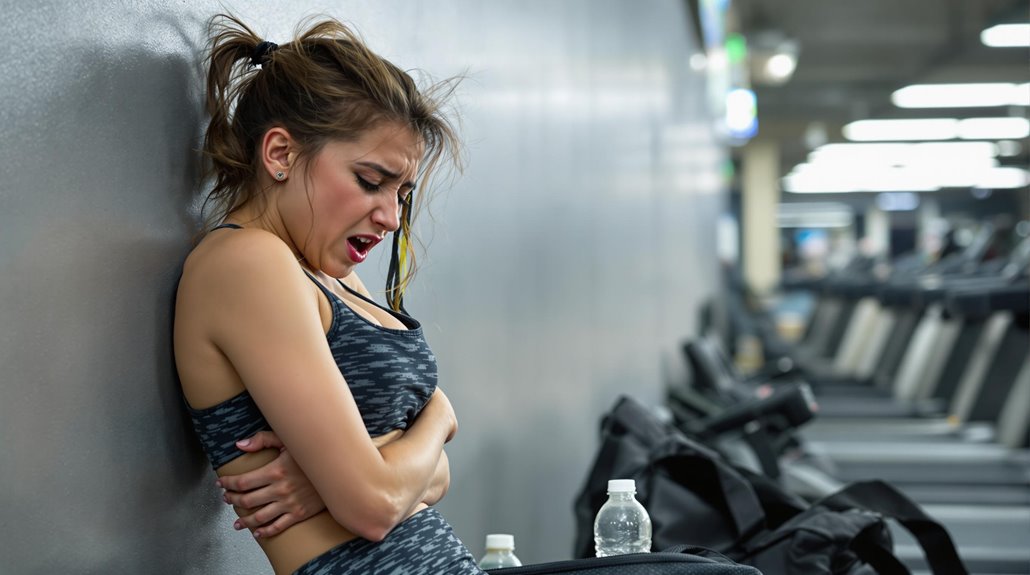
Physical decline from poor sleep often reveals itself through subtle yet significant changes in your workout performance. You'll notice that exercises you once breezed through now leave you exhausted halfway through your sets. Without adequate sleep, your endurance can drop by up to 11%, making cardio sessions feel particularly challenging.
If you're trying to build lean muscle mass or focusing on weight loss, sleep deprivation can severely impact your progress. Watch for signs like decreased lifting capacity, as your maximal strength might drop by 6-12%. You'll likely struggle to maintain proper form during high-intensity workouts, and recovery between sets takes longer than usual. These aren't just temporary setbacks - chronic sleep disorders can reduce your testosterone levels by 30%, compromising your body's ability to build and maintain muscle.
Your physical health depends heavily on quality rest, and the signs are clear when you're not getting enough. If you're experiencing unusual muscle soreness, inability to complete your usual reps, or finding yourself hitting a plateau despite consistent training, your sleep habits might be the culprit. Pay attention to these warning signals and prioritize rest as much as your workouts.
Optimizing Your Sleep Schedule
Once you recognize these warning signs in your fitness routine, taking action to improve your sleep becomes the next logical step. Getting enough quality sleep isn't just about lying in bed - it's about creating the right conditions for ideal rest. To get a good night's sleep, you'll need to establish a consistent schedule that aligns with your body's natural rhythm.
Start by identifying when you need to wake up and work backward to ensure you're getting 7-9 hours of sleep a night. To enhance your sleep quality, implement these essential changes:
- Set a fixed bedtime and wake-up time, even on weekends, to regulate your circadian rhythm
- Create a relaxing pre-bed routine that avoids blue light from phones and tablets
- Design your bedroom environment for optimal sleep by controlling temperature, light, and noise levels
If you're still struggling with sleep quality after making these adjustments, consider consulting a healthcare provider. They can help identify potential sleep disorders like sleep apnea that might be interfering with your rest. Remember, consistent, quality sleep is just as pivotal to your fitness progress as your workouts and nutrition.
Sleep's Role in Muscle Growth

During sleep, your body orchestrates a complex concerto of hormonal processes important for muscle growth and recovery. When you get quality sleep, your body releases significant amounts of growth hormone, which plays an integral role in helping you build lean muscle and promote tissue repair after workouts.
Sleep has been shown to directly impact your testosterone levels, a key hormone for muscle development and strength gains. If you're only getting 5 hours of sleep per night, you could experience a concerning 10-15% drop in testosterone within just one week. This hormonal disruption can seriously hamper your efforts to achieve your fitness goals.
Moreover, sleep loss triggers an increase in cortisol, your body's stress hormone. High cortisol levels work against your muscle-building efforts by breaking down muscle tissue and promoting fat storage. This creates a double setback: not only are you losing potential muscle gains, but you're also compromising your fat loss goals. To maximize your workout results, you need to treat sleep as seriously as you do your training and nutrition. Without adequate rest, you're fundamentally undermining the hard work you put in at the gym.
Stress, Sleep, and Exercise Balance
The delicate interplay between stress, sleep, and exercise creates a complex web that can either augment or undermine your fitness expedition. When you prioritize good quality sleep alongside your workout routine, you're setting yourself up for excellent performance and recovery. Regular exercise helps your brain produce more adenosine, which helps you sleep better and longer.
However, if you're not getting enough sleep, you're likely sabotaging your fitness goals. Sleep deprivation triggers increased cortisol levels, which can break down your hard-earned muscle and impair recovery. Additionally, poor sleep quality reduces testosterone and growth hormone production, essential hormones for muscle development and repair.
To maintain the ideal balance between stress, sleep, and exercise, focus on these critical elements:
- Schedule your workouts at least 3 hours before bedtime to allow your body temperature and hormone levels to normalize
- Maintain consistent sleep and exercise routines to regulate your body's natural rhythms
- Listen to your body - if you're severely sleep-deprived, opt for light exercise or rest instead of intense training
Breaking the Sleep Deprivation Cycle
Breaking free from sleep deprivation requires understanding three key disruptors that create a vicious cycle: irregular schedules, heightened stress levels, and poor nighttime habits. When you don't get adequate sleep, your body produces excess cortisol, which not only interferes with muscle growth but also diminishes your workout performance and recovery potential.
To break this cycle, you'll need to establish consistent sleep patterns that support your fitness goals. Start by setting a regular bedtime and wake-up schedule, aiming for 7-9 hours of quality sleep each night. This allows your body to properly regulate hormones, especially human growth hormone, which is indispensable for muscle development and tissue repair.
Create an environment that promotes restful sleep by eliminating electronic devices before bedtime and maintaining a cool, dark sleeping space. You'll notice improved energy levels during workouts and enhanced muscle recovery when you prioritize sleep hygiene. Remember that sleep isn't just downtime - it's an active recovery period that's fundamental for your fitness progress. Without adequate quality sleep, you're working against your body's natural ability to build strength and endurance.
Creating Healthy Sleep-Exercise Habits
Maintaining ideal fitness requires a strategic approach to both exercise and sleep habits, as these elements work synergistically to enhance your athletic performance. Your Body and Mind operate at peak efficiency when you establish consistent sleep patterns, ideally getting 7-8 hours of quality rest each night. Whether you prefer a Morning Workout or evening exercise, it's pivotal to schedule your activities at times that won't interfere with your sleep cycle.
To Improve Sleep quality while maintaining an active lifestyle, consider these essential practices:
- Establish a regular bedtime routine that includes winding down 30-60 minutes before sleep
- Time your workouts strategically, preferably in the afternoon or early evening
- Create a favorable sleep environment that's dark, quiet, and cool
If you're struggling to balance your exercise routine with proper rest, don't hesitate to seek sleep consultation from a specialist. They can provide targeted solutions for your specific situation and help optimize your sleep-exercise relationship. Remember that your fitness goals aren't just about what you do in the gym – they're equally dependent on how well you recover through quality sleep.
Sleep Duration for Peak Performance
While establishing healthy sleep-exercise habits sets the foundation, understanding ideal sleep duration can revolutionize your athletic performance. Research shows that you need 7-9 hours of quality sleep each night to maintain paramount physical health and exercise capabilities. If you're getting less than 6 hours regularly, you could be sabotaging your fitness goals, as sleep can impact your strength, endurance, and reaction time by up to 30%.
If you're a teenage athlete, you'll need even more rest - between 8-10 hours nightly. This extra sleep supports your growing body while maximizing athletic development. To make sure you're getting enough sleep, maintain consistent bedtime and wake-up schedules, even on weekends. This regularity helps optimize your body's natural circadian rhythms, which directly influence your physical performance and mental alertness.
When you're consistently sleep-deprived, getting less than 6 hours per night, it's better to prioritize rest over exercise. While skipping a workout might feel counterproductive, training with severe sleep deprivation can hinder your progress and potentially increase your risk of injury.