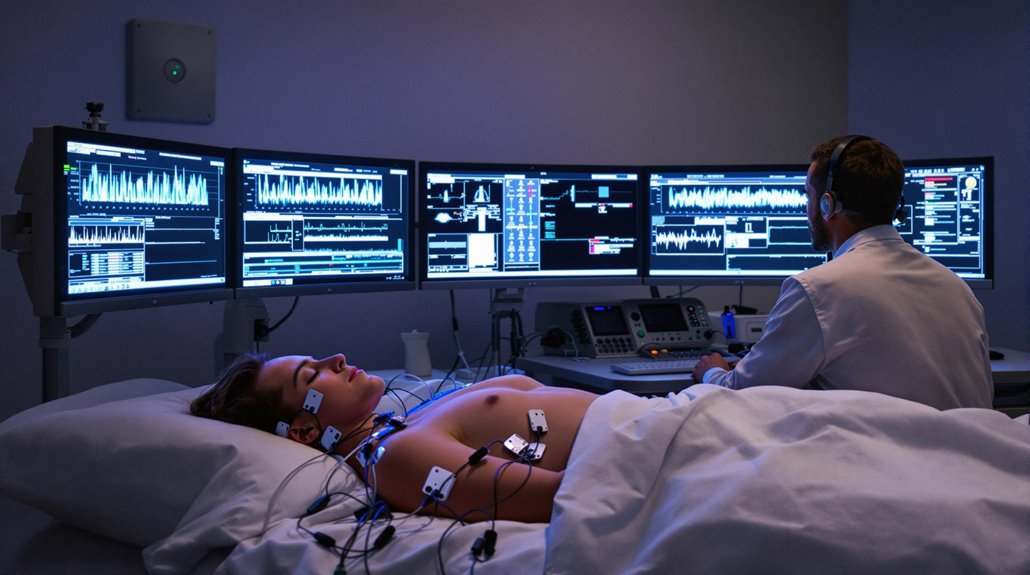
How to Prevent Sleep Deprivation With Bipolar Disorder
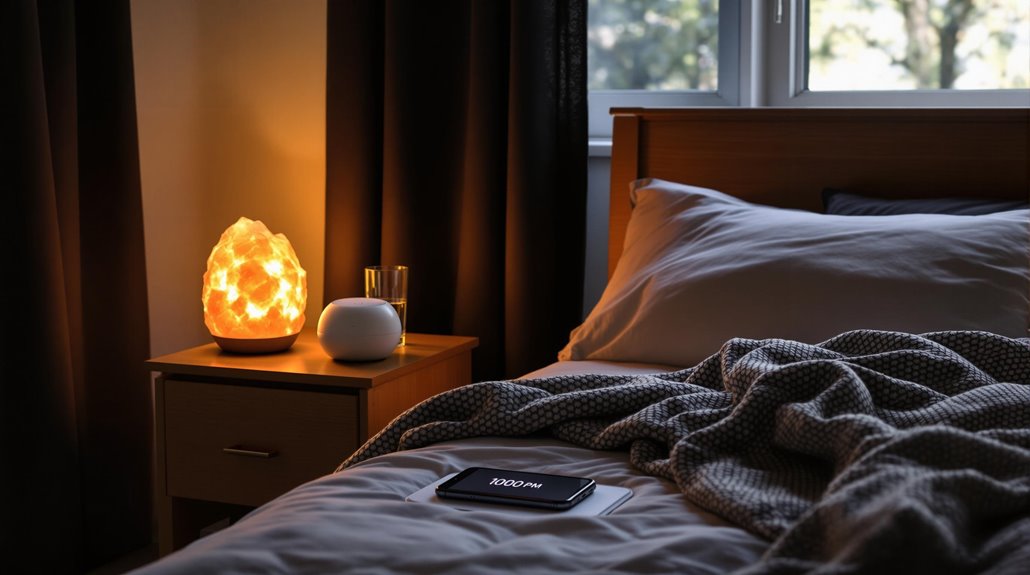
To prevent sleep deprivation with bipolar disorder, you'll need to establish consistent sleep habits and stick to them. Set a regular bedtime and wake-up schedule, even on weekends, and create a calming pre-bed routine. Keep your bedroom cool, dark, and quiet, removing electronic devices that could disrupt sleep. Practice relaxation techniques like deep breathing or meditation to calm racing thoughts. Track your sleep patterns and work with trusted friends or family to monitor changes in your sleep behavior. If sleep difficulties persist beyond 48 hours, contact your healthcare provider. Understanding these foundational steps will help you build a more thorough sleep management strategy.
Understanding Sleep and Bipolar Connection
The intricate relationship between sleep and bipolar disorder can't be overstated. Your sleep-wake cycle plays a pivotal role in managing your mental health, and when you're living with bipolar disorder, this connection becomes even more significant. Sleep disturbances often serve as early warning signs, with 75% of people experiencing disrupted sleep patterns before a manic episode begins.
Understanding how circadian rhythms affect your condition is essential. These internal biological rhythms regulate your sleep-wake cycle, and when they're disrupted, you're more vulnerable to mood episodes. During manic episodes, you might feel like you need less sleep, while depressive episodes can lead to either excessive sleepiness or difficulty sleeping. This creates a challenging cycle where sleep-wake abnormalities can both trigger and be triggered by mood changes.
Sleep deprivation is particularly dangerous because it can spark manic episodes, making it imperative to address sleep issues promptly. By recognizing these connections, you'll be better equipped to manage your condition. Your sleep patterns aren't just a symptom of bipolar disorder; they're an integral part of your overall treatment and stability.
Common Sleep Disruption Patterns
Bipolar disorder's impact on sleep manifests through several distinctive patterns that can extensively affect your daily life. During manic episodes, you'll likely experience a drastically reduced need for sleep, yet you might feel energized despite the sleep deprivation. Conversely, when depression strikes, you may find yourself sleeping excessively or struggling with persistent insomnia.
Even when you're not experiencing acute mood episodes, your sleep habits may remain disrupted. Your circadian rhythms can become irregular, especially if you're engaging in heightened nighttime activities. This disruption often creates a cycle where poor sleep further impacts your mood stability, and mood changes continue to affect your sleep patterns.
Sleep problems in bipolar disorder can be complicated by co-existing conditions. If you're among the third of individuals with bipolar disorder who have sleep apnea, you might experience excessive daytime sleepiness and fatigue. This sleep disturbance can make it challenging to maintain regular daily activities and potentially trigger mood episodes. Understanding these patterns is paramount because sleep disruption isn't just a symptom of bipolar disorder - it can also act as a trigger for future episodes.
Signs of Sleep Deprivation

Recognizing sleep deprivation early can help you prevent the escalation of bipolar symptoms and maintain better mood stability. When you're experiencing sleep deprivation, you'll notice changes in your mood and cognitive function that can signal potential concerns, especially if you have bipolar disorder.
Watch for key indicators that your circadian rhythm is disrupted. If you're able to go for extended periods without feeling tired, or you're sleeping excessively without feeling refreshed, these could be warning signs of emerging episodes. During manic phases, you might notice you're functioning on minimal sleep without feeling tired, which can be deceptively energizing but potentially dangerous. Conversely, if you're sleeping much more than usual, it could indicate a depressive episode.
Pay attention to other symptoms that suggest sleep deprivation causes are affecting your bipolar disorder. These include difficulty concentrating, irritability, memory problems, and changes in appetite. Your neuroglia, the brain's support cells, depend on regular sleep patterns to function properly. To achieve better sleep with bipolar, monitor these signs closely and report significant changes to your healthcare provider promptly.
Establishing Healthy Sleep Routines
Creating a reliable sleep routine serves as the foundation for managing bipolar disorder and preventing sleep deprivation. When you're living with bipolar disorder, maintaining a consistent sleep-wake schedule becomes indispensable, as sleep disturbances can trigger mood episodes. You'll want to go to bed and wake up at the same time every day, including weekends, to regulate your body's internal clock.
Develop a calming pre-bed routine that helps you wind down. This might include taking a warm bath, reading a book, or practicing relaxation techniques. It's vital to create an ideal sleep environment by keeping your bedroom dark, cool, and free from distractions. Remove TVs and electronic devices that can interfere with your sleep quality.
Pay attention to your daily habits, as they significantly impact your sleep. Avoid caffeine and alcohol, especially in the evening hours, as they can disrupt your sleep patterns. While regular exercise helps regulate sleep cycles and manage bipolar disorder symptoms, don't exercise too close to bedtime. Lack of sleep can worsen bipolar symptoms, so maintaining these healthy sleep practices should be a top priority in your treatment plan.
Environmental Sleep Optimization
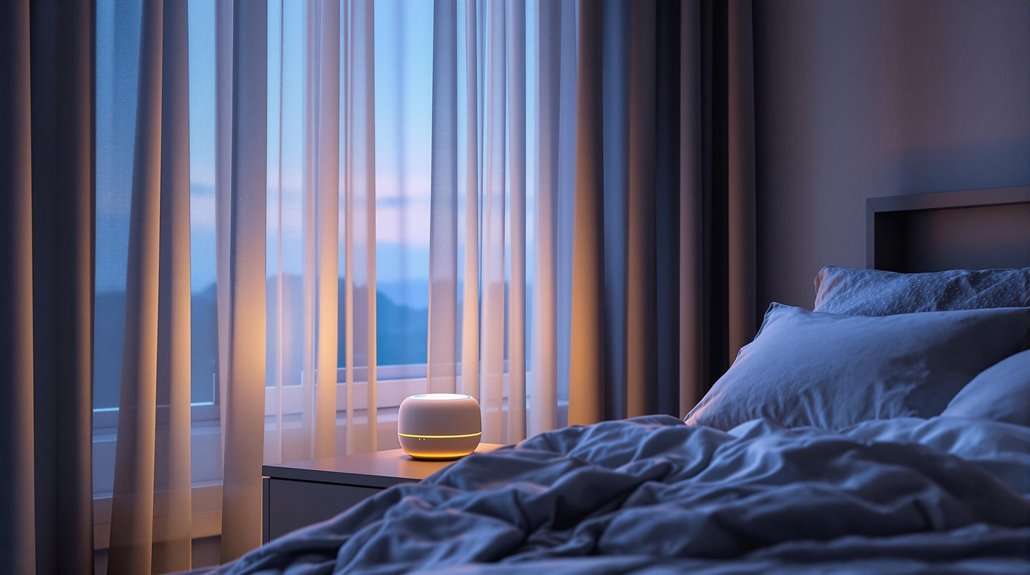
Every aspect of your bedroom environment plays a fundamental role in achieving restorative sleep with bipolar disorder. Environmental sleep optimization can help regulate your internal clock and minimize sleep abnormalities commonly associated with sleep phase syndrome. To create an ideal sleep sanctuary, you'll need to focus on several key elements.
Start by keeping your bedroom quiet and dark, using blackout curtains or an eye mask to block out disruptive light. You'll want to avoid bright screens at least two hours before going to bed, as they can interfere with your natural sleep-wake cycle. Maintain a cool room temperature, as your body temperature naturally drops during sleep. Aim for around 65-68°F (18-20°C) for maximum comfort.
Consider using white noise machines or earplugs to mask disruptive sounds, and invest in comfortable bedding that supports good sleep. Remove electronic devices from your bedroom, or at least put them on silent mode. If you must have a clock, turn its face away from your bed to avoid clock-watching, which can increase anxiety and make falling asleep more difficult.
Managing Nighttime Medications
Proper medication management plays a pivotal role in sleep quality for people with bipolar disorder. Timing of bipolar medications can significantly impact your sleep patterns, especially with medications like lithium and antipsychotics. You'll need to work closely with your healthcare provider to optimize medication dosing and minimize potential sleep disruptions.
Long-acting mood stabilizers taken before bedtime may provide more consistent sleep compared to short-acting alternatives. If you're also taking ADHD stimulants, you'll want to carefully adjust their timing to prevent interference with your nighttime rest. Pay attention to medication side effects and report any sleep-related issues to your doctor.
Schedule a consultation with your healthcare provider to optimize medication timing. Consider switching to long-acting mood stabilizers for better sleep consistency. Monitor and document any sleep disruptions related to your medications. Adjust ADHD stimulant timing if you're taking them alongside bipolar medications. Keep track of medication side effects and discuss them during medical appointments.
Remember that medication adjustments should always be made under professional supervision to guarantee both effective treatment and quality sleep.
Lifestyle Changes for Better Sleep
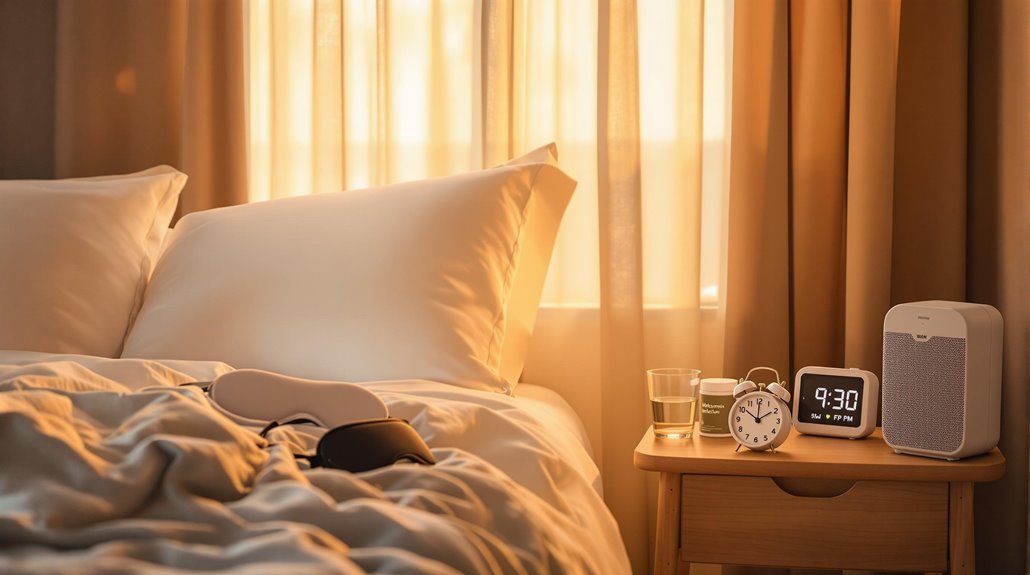
Healthy lifestyle habits form the cornerstone of quality sleep when you're managing bipolar disorder. Since sleep disturbance in bipolar disorder can trigger mood episodes, it's vital to establish routines that promote consistent rest. Your vulnerability to bipolar disorder symptoms increases with sleep loss, making it essential to prioritize good sleep hygiene.
To improve your chances of falling asleep and staying asleep throughout the night, maintain a consistent sleep schedule, even on weekends. If you're dealing with sleep in bipolar disorder, avoid substances that can interfere with your rest. This means cutting out caffeine, nicotine, and alcohol, especially in the evening hours. Create a calming pre-bed ritual that signals to your body it's time to wind down. You might try gentle stretching or a warm bath about an hour before bedtime. Keep your bedroom environment conducive to sleep by maintaining a cool temperature, minimizing light, and reducing noise. Regular daytime exercise can help regulate your sleep patterns and reduce the risk of sleep apnea, but avoid vigorous workouts close to bedtime as they may increase alertness.
Natural Sleep Enhancement Methods
Natural methods can enhance your sleep quality when managing bipolar disorder. By implementing specific techniques, you'll help regulate your circadian rhythm and minimize sleep disturbance. You can start by creating an ideal sleep environment in your bedroom, ensuring it's dark, cool, and quiet. This environmental control significantly improves your chances of maintaining consistent sleep patterns.
To support healthy sleep onset, incorporate these proven relaxation techniques into your daily routine:
- Practice deep breathing exercises or meditation before bedtime
- Engage in progressive muscle relaxation to reduce physical tension
- Establish and maintain a regular sleep schedule every day
- Limit exposure to blue light from electronic devices in the evening
- Reserve your bed exclusively for sleep and intimate activities
Your body's natural sleep-wake cycle responds well to consistent habits. You'll find that avoiding intense exercise close to bedtime while maintaining regular daytime physical activity helps regulate your sleep patterns. Remember to dim the lights and avoid screens at least two hours before bed, as this reduction in blue light exposure helps your body prepare for rest naturally.
Technology and Sleep Management
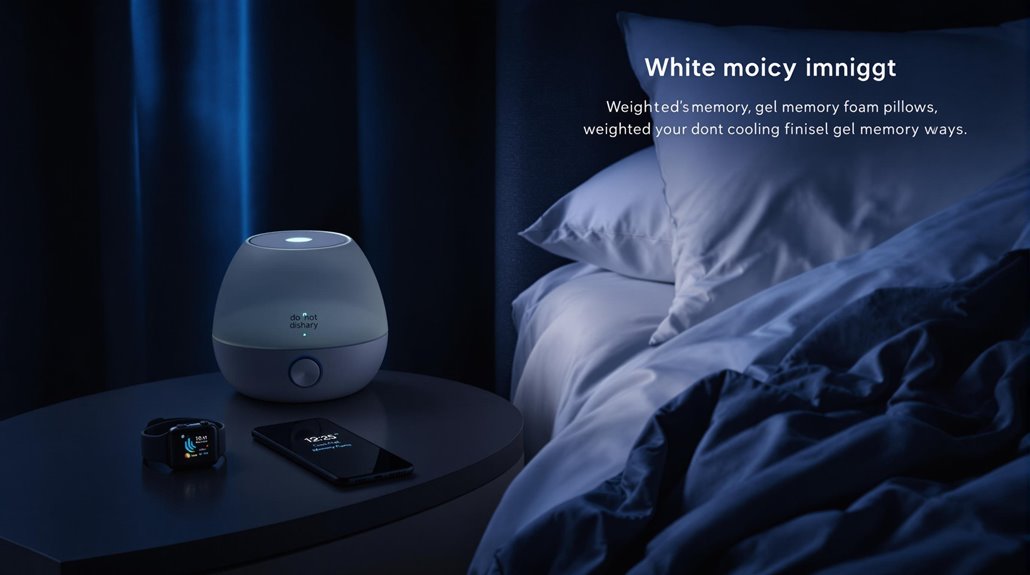
Technology plays a dual role in managing sleep with bipolar disorder, offering both potential benefits and risks. While some devices can disrupt your sleep-wake cycle, others can substantially improve your sleep quality when used correctly. You'll want to be selective about which technologies you incorporate into your sleep environment.
Consider using white noise devices to create a calming atmosphere that promotes better sleep. Innovative wearable technologies, like the Apollo device, can help regulate your sleep patterns through gentle vibrations. If you're experiencing sleep disturbances, bright light therapy in the morning can help reset your circadian rhythm and enhance your overall sleep-wake cycle.
However, it's important to avoid electronics that can interfere with your sleep. Turn off TVs, laptops, and phones well before bedtime, as these devices can worsen decreased need for sleep symptoms. Instead, complement your cognitive behavioral therapy strategies with sleep-supporting technologies. You might also consider taking melatonin supplements as part of your evening routine, though always consult your healthcare provider first. By carefully selecting and timing your use of technology, you can create a suitable environment for restorative sleep.
Working With Healthcare Providers
Through effective collaboration with your healthcare providers, you can develop a thorough strategy to manage sleep patterns and prevent sleep deprivation. Your medical team understands how sleep disturbance in bipolar disorder can significantly impact your quality of life and trigger mood swings. They'll work with you to identify potential sleep disorders and create a comprehensive treatment plan that addresses your specific needs.
Your healthcare providers can help you in several key ways to maintain healthy neuroglia and circadian rhythms:
- Prescribing and adjusting mood stabilizing medications to minimize sleep-disrupting side effects
- Implementing Cognitive Behavioral Therapy specifically designed for treating insomnia
- Monitoring your sleep patterns and making timely interventions when needed
- Establishing consistent sleep-wake schedules personalized to your lifestyle
- Providing guidance on sleep hygiene practices and lifestyle modifications
Regular check-ins with your healthcare team are essential for tracking your progress and making necessary adjustments to your treatment plan. Don't hesitate to communicate any sleep-related concerns or changes in your sleep patterns. Your providers can offer helpful insights and solutions to help you maintain healthy sleep habits and manage your bipolar disorder effectively.
Tracking Sleep Quality

Regular monitoring of your sleep patterns serves as an essential tool in managing bipolar disorder and preventing sleep deprivation. You can effectively track sleep using either a traditional sleep diary or a modern sleep tracking device, both of which help you record pivotal information about your daily rest habits.
Make sure to document key metrics including your bedtime, wake time, sleep duration, and overall sleep quality. By consistently tracking these elements, you'll start to notice patterns that can signal potential sleep disturbances before they become severe. Pay special attention to any fluctuations in your sleep duration and quality, as these changes often precede mood episodes. This early warning system enables you to take preventive action sooner rather than later.
Don't forget to share your sleep data with your healthcare provider during appointments. Your detailed sleep records will help them make informed decisions about your treatment plan, including potential adjustments to medications or behavioral strategies. The more consistently you track your sleep patterns, the better equipped you'll be to understand the relationship between your sleep habits and mood stability.
Preventing Sleep-Related Mood Episodes
Sleep-related mood episodes pose a significant challenge for people with bipolar disorder, with sleep disruptions triggering manic episodes in nearly all cases. To protect yourself from these potentially devastating episodes, you'll need to implement an extensive sleep management strategy that addresses multiple aspects of your sleep health.
Your first line of defense is maintaining a consistent sleep-wake schedule, even on weekends. Cognitive behavioral therapy can help you develop healthy sleep habits and address underlying thought patterns that might interfere with your rest. Additionally, morning light therapy can help regulate your circadian rhythms, making it easier to maintain a stable sleep pattern.
Stick to a rigid bedtime and wake time, seven days a week
Use light therapy in the morning to regulate your circadian rhythms
Get screened and treated for sleep disorders like sleep apnea
Participate in cognitive behavioral therapy for insomnia
Track your sleep patterns and report significant changes to your healthcare provider
Emergency Sleep Support Systems

A well-designed emergency sleep support system serves as your safety net when sleep problems threaten to spiral out of control. For people with bipolar disorder, getting fewer hours of sleep can trigger manic episodes, making it essential to have reliable support mechanisms in place.
Start by creating a detailed crisis plan that includes emergency contact numbers and specific actions to take when you notice sleep disturbances. During the highs of bipolar disorder, you'll want trusted friends or family members who can check in on you regularly, especially when sleep during manic episodes becomes problematic. Keep a sleep log to track your patterns, allowing you to spot potential triggers and contact your support team before Bipolar Disorder and Sleep issues escalate.
If your sleep difficulties persist beyond 48 hours, you might need to consider short-term hospitalization or respite care to stabilize your sleep-wake cycle. Meanwhile, incorporate relaxation techniques like deep breathing, meditation, or yoga into your routine. These practices can help calm your mind when racing thoughts interfere with rest, providing additional tools to manage both your sleep and the symptoms of Bipolar Disorder.