
How to Minimize Jet Lag When Traveling Internationally
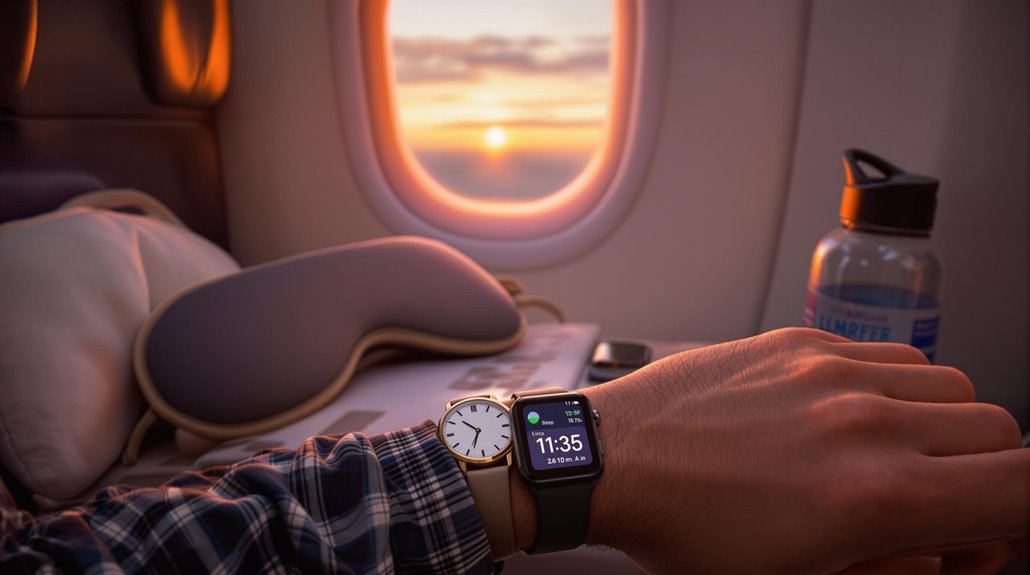
To minimize jet lag during international travel, you'll want to start adjusting your sleep schedule several days before departure, shifting bedtime by 30 minutes each day to match your destination's time zone. Stay hydrated by drinking plenty of water during your flight while avoiding alcohol and caffeine. Choose flight times that align with your normal sleep patterns - morning departures for eastward travel and afternoon/evening flights when heading west. Pack compression socks and move regularly during the flight to maintain circulation. Light exercise before flying and after landing helps reset your body's internal clock. These strategies are just the beginning of conquering international time zone adjustments.
Understanding Your Body's Internal Clock
The human body operates like a finely tuned clock, following a natural 24-hour cycle known as your circadian rhythm. This internal clock regulates essential bodily functions, including when you feel sleepy, hungry, and alert throughout the day. Your circadian rhythm responds to environmental signals, with sunlight being the most powerful influence on your sleep-wake cycles.
When you travel across time zones, your internal clock remains synchronized to your departure location, while your new environment operates on a different schedule. This misalignment explains why you might feel wide awake at 3 AM or exhausted during afternoon meetings in your new destination. Your body's natural rhythm takes time to adjust, particularly when traveling east, as it's harder for your system to advance its clock than to delay it.
Understanding how your circadian rhythm works is the first step in managing jet lag effectively. Your body's internal clock isn't just about sleep - it influences hormone production, body temperature, and digestion. By recognizing these biological patterns, you'll be better equipped to implement strategies that help your body adapt to new time zones more efficiently.
Pre-Flight Sleep Schedule Adjustments
With a clear grasp of how your circadian rhythm works, you can start taking practical steps to prepare your body clock before departure. Begin adjusting your sleep schedule 2-3 days before your flight by shifting bedtime in 30-minute increments. If you're heading east, you'll need to sleep earlier; for westward travel, stay up a bit later each night.
To support these sleep adjustments, use bright light exposure strategically. Evening light can help push your internal clock later for westward flights, making it easier to adapt to your destination's time zone. You might also consider taking low-dose melatonin after consulting with your healthcare provider, as it can help regulate your sleep-wake cycle during the transition.
- Start sleep adjustments gradually to avoid disrupting your daily routine before the flight
- Use your phone's world clock to visualize your destination's time zone and plan accordingly
- Keep a consistent pre-travel sleep schedule once you've made the initial adjustments
- Schedule a travel health consultation to discuss personalized strategies for managing time zone changes
Make these pre-flight preparations part of your travel planning to minimize jet lag's impact on your international excursion.
Hydration Strategies During Travel

Maintaining proper hydration during long-distance flights plays a fundamental role in minimizing jet lag symptoms and ensuring your comfort throughout the expedition.
To combat dehydration effectively, you'll need to drink 2-3 times more water than your usual daily intake while flying. Don't wait until you're thirsty; instead, bring a refillable water bottle and take regular sips throughout your trek. You'll want to keep this bottle handy during layovers and after reaching your destination to maintain optimal hydration levels.
While staying hydrated is indispensable, it's equally important to avoid beverages that can counteract your efforts. Skip the alcohol and caffeine during your flight, as they can intensify dehydration and interfere with your sleep patterns, making jet lag symptoms worse. The dry cabin air can also affect your body's moisture levels in various ways, so come prepared with lip balm, eye drops, and nasal spray to address specific comfort needs.
Best Flight Times To Choose
Selecting ideal flight times can substantially reduce the impact of jet lag on your travel experience. When booking your international flights, you'll want to prioritize early morning or late afternoon departures over red-eye flights, as they provide better opportunities for quality sleep during your expedition. Choose nonstop flights whenever possible to minimize disruptions to your sleep schedule and reduce overall travel fatigue.
For eastward travel, book morning departures to help you stay awake until bedtime at your destination. When traveling to your international destination, try to select flights that arrive in the late afternoon or evening, as this timing allows you to naturally adjust to the local schedule.
- Consider flights that cross fewer time zones, as each additional zone increases your jet lag severity
- Look for departure times that align with your normal wake-sleep pattern
- Select routes that minimize layovers and connections to maintain your body's natural rhythm
- Choose arrival times that allow you to stay active until local nighttime, helping reset your internal clock
Exercise Before And During Flight

Physical activity serves as a powerful tool in combating jet lag, complementing your strategic flight timing choices. Before your flight, make sure to engage in a workout session - this will help you relax better during air travel and potentially sleep more soundly on the plane. Once you reach your destination, try to exercise at your regular workout time to help reset your body's internal clock.
During your flight, you'll want to stay active to maintain proper circulation and reduce the negative effects of prolonged sitting. Perform simple in-flight exercises like air squats, calf raises, and arm circles whenever possible. These movements will help prevent blood clots and reduce muscle stiffness. Don't forget to wear compression socks or pants, which can greatly minimize swelling and improve blood flow during long flights.
Remember that exercise before and during flight isn't just about comfort - it's an essential strategy for minimizing jet lag's impact on your body. By incorporating regular movement throughout your trip, you're helping your body adjust more smoothly to the new time zone while maintaining your overall well-being during travel.
Light Exposure Management
The strategic management of light exposure stands as a cornerstone in fighting jet lag effectively. You'll need to be deliberate about when you expose yourself to light and when you avoid it to help reset your circadian rhythm. By seeking bright morning light at your destination, you can naturally shift your body's internal clock to match the new time zone. This approach, combined with avoiding evening light, helps your body adapt more quickly to local time.
Before your trip, you can prepare by gradually adjusting your light exposure patterns. Consider using light therapy devices, such as bright light boxes or wearable options, to supplement natural light when needed. These tools can be particularly helpful during long flights or in destinations where natural light might be limited.
- Time your light exposure carefully: seek morning light for eastward travel and evening light for westward travel
- Use a light therapy device for 15-30 minutes upon waking at your destination
- Minimize screen time and bright lights in the evening hours of your new time zone
- Consider wearing blue-light blocking glasses during times when you need to avoid light exposure
Optimal Meal Planning
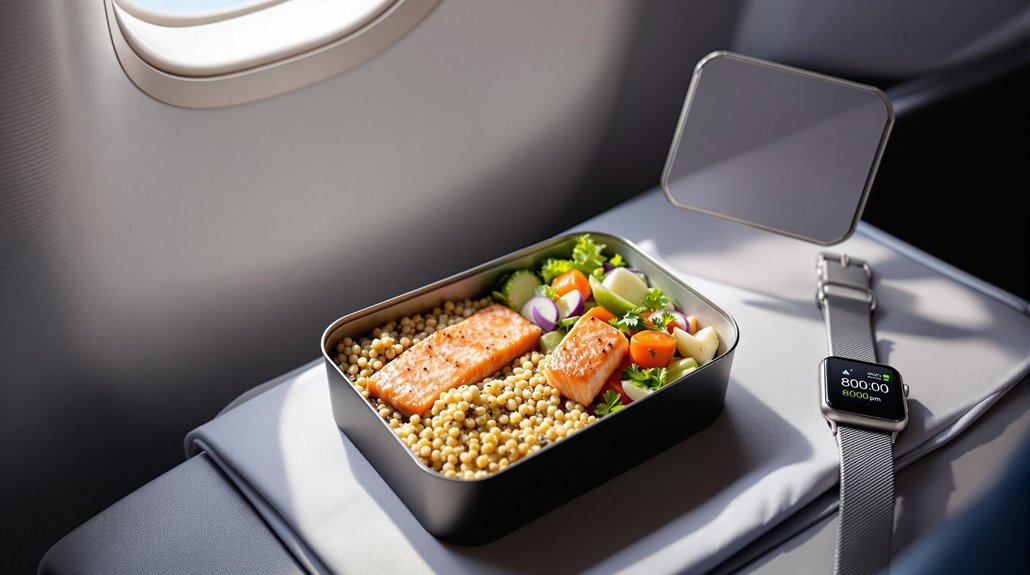
Strategic meal planning plays a critical role in minimizing jet lag's impact on your body. When you're crossing multiple time zones, your digestive system needs to adjust along with your sleep-wake cycle. You'll want to start adapting your meals to your destination's schedule even before you take off, helping your body undertake the transition more smoothly to the new time zone.
During your flight, stick to light, easily digestible meals that won't overwhelm your system. Choose nutrient-rich foods like fresh fruits, vegetables, and whole grains that will provide sustained energy without causing discomfort. You'll need to avoid heavy, greasy foods and excessive sugar, as these can interfere with your sleep patterns and make jet lag symptoms worse.
Hydration is equally important in your meal planning strategy. You'll experience increased dehydration during air travel, so drink water consistently before, during, and after your flight. Don't wait until you're thirsty - make it a point to sip water regularly throughout your excursion. By carefully timing your meals and maintaining proper hydration, you'll help your body adjust more quickly to your new time zone and minimize jet lag's disruptive effects.
Sleep Aid Options
Various sleep aids can effectively combat jet lag when used appropriately during international travel. Melatonin, a natural hormone supplement, helps regulate your sleep-wake cycle when taken a few days before and during your trip. If you're considering prescription medications, zolpidem (Ambien) can help you fall asleep, but you'll need to consult your doctor first to guarantee it's safe for you. For a natural alternative, valerian root supplements might help reduce jet lag symptoms, though research on its effectiveness is still ongoing.
To maximize the benefits of sleep aids while traveling internationally, consider these essential guidelines:
- Start with the mildest option first, such as melatonin or valerian root, before considering prescription medications
- Avoid mixing sleep aids with alcohol or caffeine, as this can lead to adverse effects
- Use light therapy in conjunction with sleep aids to help reset your body's internal clock more effectively
- Time your sleep aid intake according to your destination's schedule, not your departure time zone
Remember to maintain a consistent sleep schedule once you arrive at your destination, regardless of which sleep aid you choose.
First Day Arrival Activities

Planning your first day strategically upon arrival can greatly impact how quickly you adjust to a new time zone. To combat jet lag effectively, you'll want to stay active and engage both your body and mind throughout the day, even if you're feeling tired.
Start by spending time outdoors in natural daylight, which helps reset your body's internal clock. You might want to walk around your new destination, exploring the local area while exposing yourself to sunlight. While it may be tempting to take a nap, especially after a long flight, you should resist this urge as it can disrupt your adaptation to the local time.
In the afternoon, schedule some light activities to keep yourself moving. A short walk or gentle stretching can help maintain your energy levels without exhausting yourself. Plan a light meal during this time, as heavy foods can make you feel sluggish. As evening approaches, begin winding down your activities and prepare for an early bedtime. Getting a full night's sleep and waking up early the next day will help establish a healthy sleep pattern in your new time zone.
Time Zone Adaptation Techniques
Adjusting to a new time zone doesn't have to be a grueling experience if you implement the right adaptation techniques. One of the most effective methods is to shift your sleep schedule gradually before your departure. Try adjusting your bedtime by 30 minutes each day leading up to your trip to align with your destination's time zone.
Exposure to bright light plays a vital role in resetting your body's internal clock. When you arrive at your destination, spend time outdoors during daylight hours to help your body recognize the new daily rhythm. Consider taking low-dose melatonin supplements up to three days before your trip to ease the shift and regulate your sleep-wake cycle in the new time zone.
- Plan activities that match your destination's schedule, even if you feel tired
- Maintain a consistent bedtime and avoid daytime naps longer than 20 minutes
- Set your watch to the new time zone as soon as you board your flight
- Create a sleep-friendly environment by using blackout curtains and minimizing screen time
Natural Remedies For Recovery

While prescription medications can help with jet lag symptoms, natural remedies often provide gentler alternatives for recovery. To combat dehydration during long flights, you'll need to drink plenty of water before, during, and after your excursion. Stay away from caffeine and alcohol, as they can interfere with your ability to sleep well and adjust to the new time zone.
Consider using herbal teas like chamomile or valerian root to promote relaxation and improve sleep quality. Melatonin supplements, available over the counter, can help regulate your sleep-wake cycle when taken at the appropriate time in your new destination. You can also try aromatherapy with lavender essential oil, which has natural calming properties.
Light exposure plays a pivotal role in recovery, so spend time outdoors during daylight hours in your new location. Exercise moderately during the day, but avoid intense workouts close to bedtime. Focus on eating nutrient-rich foods that are easy to digest, such as fruits, vegetables, and lean proteins. These natural approaches can help your body adjust more smoothly while minimizing the uncomfortable effects of jet lag.
Choosing The Right Aircraft
Selecting the right aircraft can dramatically impact your jet lag experience during international travel. When booking your flight, you'll want to prioritize modern aircraft like the Boeing 787 Dreamliner or Airbus A350. These planes feature advanced cabin technology that maintains higher humidity levels and lower cabin pressure, helping your body adjust more easily to time zone changes.
To maximize your comfort and minimize jet lag symptoms, consider these essential factors when choosing your aircraft and seating arrangements:
- Use SeatGuru to research the best seat locations for your specific aircraft, focusing on areas with extra legroom or reduced noise
- Look for airlines with high Skytrax ratings that operate these modern aircraft on your route
- Consider upgrading to premium economy if first or business class isn't within your budget
- Check airline reviews specifically for your planned route to guarantee the best possible service
The investment in choosing the right aircraft and seating class can profoundly impact your recovery time from jet lag. While premium cabins offer supreme comfort with lie-flat seats, even choosing the right economy seat on a modern jet can make a noticeable difference in how you feel upon arrival.
Essential Travel Accessories

The right travel accessories can make or break your ability to sleep comfortably during long-haul flights. When dealing with jet lag, investing in proper sleep gear is essential to minimize the impact of crossing multiple time zones.
For complete light and noise isolation, consider the Pluto Pod, which creates a personal cocoon-like environment. If you're a back sleeper, you'll benefit from the Sleeper Hold sleep mask, which keeps your head steady during flight. Side sleepers should opt for either the Travel Rest Neck Pillow, which wraps around your body, or the highly-rated J Pillow, which has garnered over 15,000 positive reviews for its side-sleeping support.
To minimize jet lag symptoms, don't overlook the importance of circulation during long flights. Wearing compression socks or pants can prevent swelling and reduce the risk of blood clots, helping you arrive at your destination feeling more refreshed. While these accessories won't completely eliminate jet lag, they'll substantially improve your chances of getting quality rest during your flight. By combining the right sleep accessories with proper timing of your rest, you'll be better equipped to handle time zone changes and maintain your energy levels upon arrival.
Post-Landing Movement Strategies
Moving your body strategically after landing can substantially reduce jet lag symptoms and help reset your internal clock. When you arrive at your destination, it's imperative to align your activities with the local time, even if your body resists. If you've landed during daylight hours, you'll want to stay awake until evening by keeping yourself physically active.
To maximize your body's adjustment to the new time zone, try these proven movement strategies:
- Take a 30-minute walk outside immediately after reaching your accommodation - natural light exposure combined with physical activity helps regulate your circadian rhythm
- Perform light stretching exercises in your hotel room every few hours to maintain blood circulation and prevent muscle stiffness
- Use hotel fitness facilities during normal daytime hours to establish a routine that matches local time
- Schedule short walking breaks between activities for the first few days, ensuring you remain active without exhausting yourself
These movement strategies, combined with proper hydration and meal timing, can help you adjust to your new time zone within 2-3 days, rather than the typical 5-7 days it might take otherwise.
Maintaining Sleep Quality Abroad

Quality sleep remains essential throughout your international trip, despite the challenges of unfamiliar surroundings and time zone changes. To maintain consistent hours of sleep, you'll need to adapt quickly to your destination's schedule. If you arrive during daylight hours, stay awake until the local nighttime, even if you're tired. This helps reset your internal clock to new time zones more effectively.
Create a sleep-friendly environment in your hotel room by using earplugs, an eye mask, and blackout curtains. If your room has gaps letting in light, use a towel or clothing to block them. Keep the temperature cool, ideally between 60-67°F (15-19°C), as this promotes better sleep quality.
If you're struggling to adjust, consider natural sleep aids before turning to sleep medicine. Melatonin supplements, taken at your target bedtime, can help regulate your sleep cycle. Avoid caffeine at least 6 hours before bed, and limit screen time in the evening. If you must use devices, enable blue light filters. Maintaining a consistent pre-sleep routine, such as reading or light stretching, signals to your body it's time to rest.