
How to Improve Your Night’s Rest: Practical Tips for Better Sleep
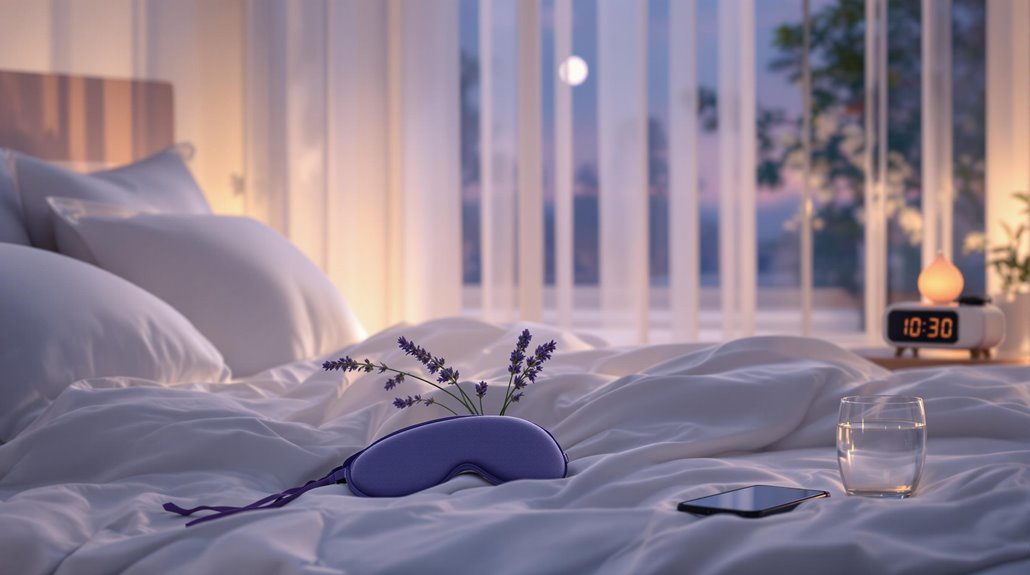
You'll sleep better by maintaining a consistent bedtime and wake schedule while making small 15-30 minute adjustments as needed. Create an ideal sleep environment with blackout curtains, comfortable bedding, and a cool room temperature between 65-68°F. Avoid large meals, caffeine, and electronic devices before bed, and establish a calming pre-bed routine to signal your body it's time to rest. Morning or afternoon exercise can improve sleep quality, but skip intense workouts close to bedtime. When it comes to naps, keep them brief at 20-30 minutes and time them shortly after lunch. These foundational steps will guide you toward deeper, more restorative rest.
Establishing a Consistent Sleep Schedule
Consistently maintaining a regular sleep schedule stands as one of the most effective ways to improve your sleep quality. By going to bed and waking up at the same time every day, you'll help regulate your body's natural sleep-wake cycle, also known as your circadian rhythms.
To establish a consistent sleep schedule, you'll need to stick to your chosen bedtime and wake time, even on weekends. If you're finding it challenging to adjust to a new schedule, try making gradual changes by shifting your sleep and wake times in 15-30 minute increments. This approach makes the shift more manageable and sustainable.
While you might be tempted to catch up on sleep with daytime naps, it's best to avoid them as they can disrupt your nighttime sleep quality and duration. Instead, focus on developing a calming pre-bed routine that signals to your body it's time to wind down. This routine helps reinforce your sleep schedule and promotes better overall rest. Remember that consistency is key - the more regularly you maintain your sleep schedule, the more likely you'll experience improved sleep quality and wake up feeling refreshed.
Optimizing Your Bedroom Environment
Your bedroom environment plays a paramount role in determining sleep quality. To create an exemplary sleep sanctuary, you'll need to focus on three key elements: darkness, quietness, and temperature control. Install blackout curtains to block out unwanted light, and consider using earplugs or white noise machines to minimize disruptive sounds.
Maintaining a comfortable temperature is indispensable for quality sleep. Keep your bedroom between 65-68°F, as this range has been proven to promote better rest. Invest in a comfortable bed with a supportive mattress and high-quality bedding that allows proper ventilation and temperature regulation throughout the night.
Another essential aspect is eliminating distractions. Remove electronic devices that emit blue light, such as smartphones and tablets, as they can interfere with your body's natural sleep-wake cycle by suppressing melatonin production. Keep your bedroom clutter-free and use calming colors and soothing scents to create a relaxing atmosphere. Remember to use your bed primarily for sleep and intimate activities, as this helps strengthen the mental association between your bedroom environment and rest. These adjustments will considerably improve your chances of achieving restorative sleep.
Managing Food and Drink Habits

While many people focus on their sleeping environment, what you consume throughout the day can deeply impact your night's rest. To enhance your sleep quality, you'll need to be mindful of both what and when you consume certain foods and beverages.
Avoid large meals close to bedtime, as they can make it difficult for your body to settle into sleep. You'll also want to steer clear of caffeine in the afternoon and evening hours since its effects can last longer than you might expect. While alcohol might make you feel drowsy initially, it disrupts your circadian rhythms and can lead to poor sleep later in the night. Similarly, nicotine can interfere with your ability to get proper rest.
Instead, try incorporating sleep-promoting foods into your evening routine. A cup of warm milk or chamomile tea can help signal to your body that it's time to wind down. If you're looking for alternatives, tart cherry juice has also been shown to support better sleep. Remember to pay attention to how different foods and drinks affect your personal sleep patterns, as individual responses can vary greatly. Make adjustments to your diet based on what works best for your body.
Smart Napping Strategies
Taking strategic naps can augment your energy and productivity without sabotaging your nighttime sleep. The key is to understand how daytime naps affect your sleep patterns and to implement a thoughtful approach that complements your sleep routine. You'll want to keep your naps brief - ideally 20-30 minutes - to prevent disrupting nighttime sleep and maintain your natural sleep-wake cycle.
Timing is pivotal when it comes to napping. Schedule your power naps shortly after lunch, during the early afternoon, when your body naturally experiences a slight dip in energy. This timing works with your circadian rhythms rather than against them. If you're new to napping, consider keeping a sleep journal to track how different nap durations and times affect your nighttime rest. By monitoring your responses, you can fine-tune your napping strategy to support a consistent sleep schedule.
Remember that longer naps, especially those taken later in the day, can fragment your sleep and make it harder to fall asleep at night. Stick to brief power naps and maintain regular napping times to maximize the benefits while preserving your natural sleep patterns.
Physical Activity and Sleep Quality

Physical activity plays an essential role in promoting high-quality sleep, but timing your workouts strategically makes all the difference. You'll want to schedule your exercise sessions during the morning or afternoon when exposure to bright light can help regulate your circadian rhythm. This combination of physical activity and natural daylight strengthens your sleep-wake cycle, making it easier to fall asleep at night.
Aerobic exercise is particularly beneficial for improving both sleep quality and sleep duration. When you engage in activities like jogging, swimming, or cycling, you're likely to experience faster sleep onset and fewer nighttime awakenings. However, it's pivotal to avoid vigorous workouts close to bedtime, as they might interfere with your ability to fall asleep.
To maximize these benefits, incorporate regular physical activity into your daily routine. Take advantage of outdoor activities when possible, as they provide the dual advantage of exercise and natural light exposure. Whether it's a morning jog, an afternoon walk, or a midday workout session, consistent exercise can vastly enhance your sleep patterns when timed appropriately.
Creating Your Bedtime Ritual
Just as strategic exercise timing supports sleep quality, developing a purposeful bedtime ritual can substantially enhance your nightly rest. By establishing a consistent pre-bedtime routine, you'll help your body recognize when it's time to wind down for sleep, leading to more restful nights.
Start by choosing calming activities that work for you, such as light stretching, reading a book, or taking a warm bath. It's imperative to avoid electronic devices and intense physical activities during the hour before bed, as these can interfere with your body's natural sleep signals. Instead, focus on relaxation techniques like deep breathing, progressive muscle relaxation, or guided imagery to ease your mind and body into a sleep-ready state.
Remember to keep your bedtime ritual simple and enjoyable. You don't need an elaborate routine; what matters most is consistency. By performing the same soothing activities each night at a consistent bedtime, you're training your body to recognize these cues as signals for sleep. Over time, your brain will associate these actions with rest, making it easier to move from wakefulness to sleep naturally and effectively.
Controlling Light Exposure

Light exposure throughout the day plays a critical role in regulating your sleep-wake cycle. Your body's internal clock relies on natural light to determine when to produce melatonin, the hormone that promotes sleep. Getting enough bright light during daytime hours helps maintain this rhythm and guarantees proper melatonin production when darkness falls.
To optimize your light exposure, spend at least 30 minutes outside during daylight hours, preferably in the morning. If you can't get outside, position yourself near windows or use a light therapy lamp. However, as evening approaches, you'll need to carefully manage your exposure to artificial light. The blue light from screens and bright lights can suppress the production of melatonin, making it harder to fall asleep.
Two to three hours before bedtime, begin dimming your home's lights and switch to warm, low-intensity bulbs. In the final hour before bed, avoid screens entirely or use blue light filters on your devices. Consider installing blackout curtains in your bedroom and using small night lights for midnight bathroom trips to maintain ideal melatonin levels during sleep hours.
Addressing Stress and Anxiety
Mental tension and racing thoughts can derail even the best sleep intentions, making stress and anxiety management essential components of good sleep hygiene. You can dramatically improve your sleep quality by incorporating relaxation techniques into your daily routine, particularly before bedtime.
Start by dedicating 20 minutes each day to mindfulness meditation, which has been proven to help you fall asleep faster and enjoy better rest. Deep breathing exercises and journaling can also effectively calm the mind when anxiety strikes at night. Consider engaging in gentle pre-bedtime activities like reading or listening to soothing music to prepare your body and mind for sleep.
Creating a worry-free sleep environment is paramount - keep work materials and stressful discussions out of your bedroom. If you're struggling with persistent stress and anxiety that affects your sleep, don't hesitate to seek counseling. This professional support can help you develop long-term strategies to manage your mental well-being. Remember that addressing the root causes of your stress through lifestyle changes and proper support is often the most effective approach to achieving consistently restful nights.
Upgrading Your Sleep Space

Your bedroom serves as a sleep sanctuary, and its setup can significantly impact your quality of rest. To create an optimal sleep environment, start by investing in a high-quality mattress and pillows that properly align your spine and provide essential comfort throughout the night.
Control your bedroom's temperature by maintaining it between 65-68°F, which supports your body's natural sleep-wake cycle. Ensure proper ventilation by keeping air circulating, creating a fresh atmosphere that promotes relaxation. To minimize disruptions, install blackout curtains to block unwanted light, and consider using a white noise machine to mask disturbing sounds from your surroundings.
Keep your bedroom dedicated solely to sleep by removing work materials, entertainment devices, and other distractions. This helps strengthen the mental association between your bed and rest, making it easier to fall asleep when you lie down. Remember, your bedroom's environment plays a pivotal role in sleep quality, so take time to assess and adjust these elements. By optimizing your sleep space with these practical improvements, you'll create conditions that encourage deeper, more restorative rest each night.
Timing Your Daily Activities
Beyond optimizing your sleep environment, maintaining consistent daily rhythms plays a powerful role in achieving quality rest. Your body's internal clock thrives on regularity, which is why you'll want to establish a consistent sleep schedule that works for both weekdays and weekends.
To create an effective sleep-wake cycle, start by picking a bedtime and wake-up time you can stick to every day. If you need to adjust your sleep schedule, do it gradually by shifting your bedtime and wake time by 15-30 minutes until you reach your desired schedule. This gentle shift helps your body adapt without disrupting your natural rhythms.
While it's tempting to catch up on rest during the day, be strategic with your naps. Limit them to 20-30 minutes and avoid taking them too late in the day. Longer or irregular naps can interfere with your ability to go to bed at night and maintain a healthy sleep routine. By following these timing guidelines, you'll train your body to recognize sleep cues and naturally wind down when it's time for bed, leading to more restful nights and energized days.