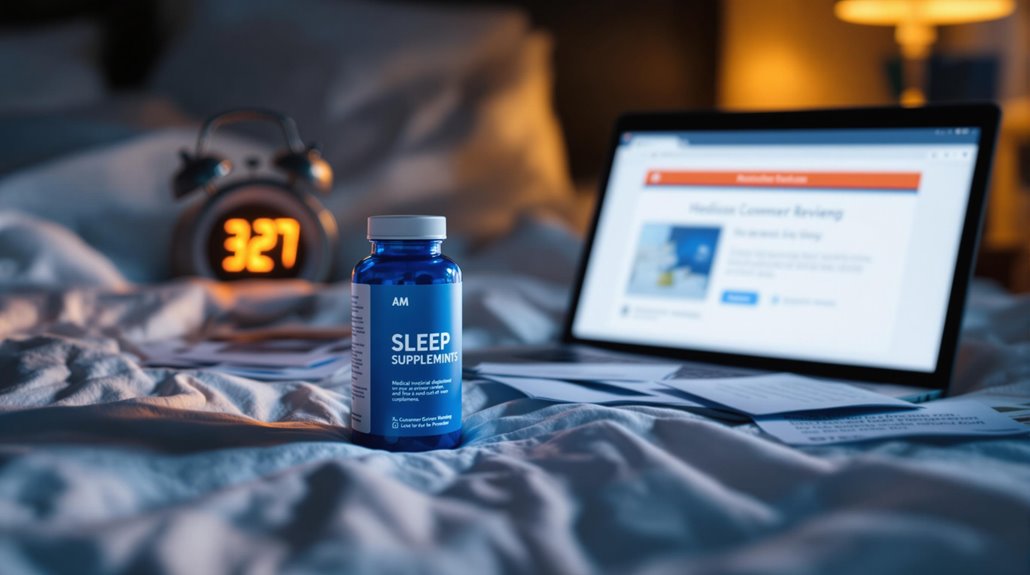
How to Get Better Quality Sleep With Melatonin Supplements

To get better sleep with melatonin supplements, take 0.3-1 mg about 1-2 hours before your intended bedtime. You'll want to create the right environment by dimming lights and using blue-light filters on devices in the evening hours. Maintain a consistent sleep schedule and get bright light exposure during the day to support your body's natural melatonin production. Combine your supplement with relaxation techniques like meditation or gentle yoga before bed. Remember to consult your healthcare provider first, especially if you have underlying health conditions. Understanding proper timing, dosage, and complementary practices will help you maximize melatonin's sleep-enhancing benefits.
Understanding Natural Melatonin Production
Your body's internal clock relies heavily on melatonin, a hormone that orchestrates your natural sleep-wake cycle. The pineal gland in your brain produces this essential hormone, carefully timing its release to help regulate your circadian rhythm. As darkness falls, your melatonin levels naturally begin to rise, signaling your body to prepare for sleep.
However, modern lifestyle habits can disrupt your natural melatonin production. The blue light emitted from smartphones, tablets, and computers can confuse your body's internal clock by suppressing melatonin release. This disruption can make it harder for you to fall asleep and maintain healthy sleep habits. Additionally, if you're experiencing jet lag or working irregular shifts, your melatonin production might become misaligned with your desired sleep schedule.
As you age, your body produces less natural melatonin, which can contribute to sleep difficulties. Stress can also impact your melatonin levels, creating a cycle of poor sleep quality. To support your body's natural melatonin production, it's pivotal to maintain consistent sleep times and limit exposure to artificial light in the evening hours, allowing your body to prepare for rest naturally.
Optimal Timing and Dosage
When considering melatonin supplements to support your natural hormone production, proper timing and dosage can make the difference between success and disappointment. To optimize sleep quality and reduce sleep latency, you'll want to take melatonin 1-2 hours before your intended bedtime, allowing it to work in harmony with your body's natural circadian rhythm.
Start with a conservative dose of 0.3-1 mg, even if you're dealing with significant sleep problems or jet lag symptoms. Contrary to what you might expect, higher doses don't necessarily lead to better results and may actually decrease the supplement's effectiveness. You'll need to monitor your body's response and adjust the dosage accordingly, as individual reactions to melatonin use can vary considerably.
To maximize the benefits of melatonin supplements, combine them with good sleep hygiene practices. This means maintaining a consistent sleep schedule, creating a relaxing bedtime routine, and minimizing exposure to bright lights before bed. By coordinating the timing of your melatonin intake with these habits, you're more likely to overcome sleep disturbances and achieve the restful sleep you're seeking.
Creating Sleep-Friendly Light Conditions

Light management plays a key role in maximizing the effectiveness of melatonin supplements. To help your body produce and maintain ideal melatonin levels, you'll want to create an environment that supports your natural sleep-wake cycle. This is especially important if you're dealing with delayed sleep phase or adjusting to a new time zone.
Start by keeping your overhead lights dim in the evening hours before bed. You'll also want to use blue-light filters on your electronic devices, as these wavelengths can interfere with melatonin production and decrease sleep latency. For those with sleep disorders, this step becomes even more essential, as proper light management can enhance the effectiveness of your supplements.
During the day, expose yourself to natural daylight, particularly in the morning and afternoon. This helps regulate your body's internal clock and promotes good sleep patterns. In the evening, opt for lower lighting levels and avoid bright overhead lights. These adjustments, combined with your melatonin supplements, create ideal conditions for quality rest. Remember, consistent light management can noticeably improve your sleep quality and help your supplements work more effectively.
Safety Precautions and Contraindications
Several medical conditions require special consideration before starting melatonin supplements. If you're pregnant or breastfeeding, you shouldn't take melatonin due to potential risks. The same applies if you have autoimmune disorders, seizure conditions, or depression, as melatonin may interfere with these conditions or their treatments.
If you have diabetes or high blood pressure, don't start taking melatonin without first consulting your healthcare provider. Melatonin can affect your blood sugar levels and blood pressure, potentially complicating these conditions. You'll need particularly careful monitoring if you're taking blood thinners or diabetes medications, as melatonin can interact with these drugs.
Even if you don't have these conditions, you should still talk to your healthcare provider before starting melatonin supplements. They'll help determine if melatonin is safe for you and guide you on proper dosage and timing. Remember that incorrect use can lead to unwanted side effects, including headaches, nausea, and feeling drowsy the next day. It's vital to follow professional medical advice rather than self-prescribing, as melatonin isn't suitable for everyone.
Natural Sleep Enhancement Methods

Your body's natural melatonin production works best when supported by healthy sleep habits and lifestyle choices. Even if you're taking melatonin for sleep support, you'll want to optimize your body's internal clock through natural methods. For those who tend to be a night owl, these practices can help regulate your circadian rhythm and guarantee you're producing enough melatonin at the right time of day.
To naturally promote sleep and enhance how melatonin affects your rest, consider these essential practices:
- Maintain a consistent sleep schedule by going to bed and waking up at the same times, allowing your body's internal clock to regulate melatonin production effectively
- Get bright light exposure during daytime hours while limiting evening light, especially from electronic devices that emit sleep-disrupting blue light
- Incorporate stress-reducing activities like meditation or yoga into your evening routine, as stress can interfere with natural melatonin production
- Exercise regularly during morning or afternoon hours to help regulate your sleep-wake cycle and improve how melatonin can help you rest
These natural methods work synergistically with melatonin supplements to optimize your sleep quality and duration.