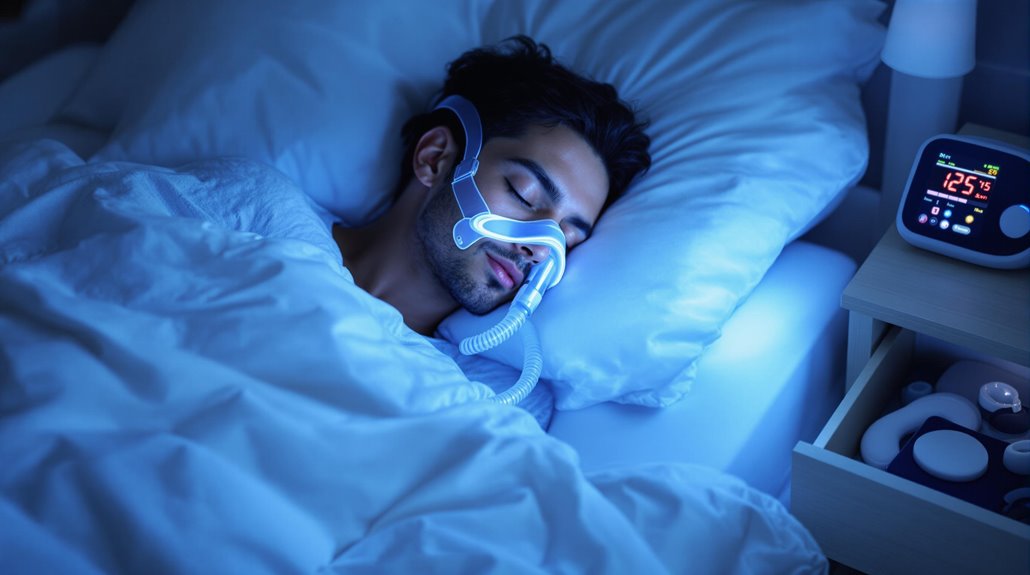
How to Cure Insomnia and Get Better Sleep

You can overcome insomnia by creating healthy sleep habits and an ideal sleep environment. Start by maintaining a consistent bedtime schedule and avoiding screens before bed. Set up your bedroom to be cool, dark, and quiet, using blackout curtains and white noise if needed. Skip caffeine, alcohol, and heavy meals close to bedtime, and try relaxing activities like reading or gentle stretching instead. Regular exercise during the day can help regulate your sleep cycle, but avoid working out too close to bedtime. While these basics can help, understanding the root cause of your sleep struggles will lead to lasting solutions.
Understanding Sleep and Insomnia
For millions of people worldwide, insomnia turns the simple act of falling asleep into a nightly struggle. If you're experiencing difficulty falling asleep, staying asleep, or waking up too early, you might be dealing with this common sleep disorder. Understanding insomnia is your first step toward better sleep quality and overall well-being.
When you're struggling with insomnia, you'll notice its impact extends far beyond your bedtime. During the day, you might feel exhausted, have trouble concentrating, or find your performance suffering at work or school. What makes insomnia particularly demanding is that it can stem from various sources, including medical conditions, stress, anxiety, or poor sleep hygiene.
You're dealing with chronic insomnia if your sleep problems occur at least three times weekly for three months or longer. To address this effectively, you'll need to establish a consistent sleep schedule and bedtime routine. However, it's vital to get a proper diagnosis first. Your healthcare provider will evaluate your sleep history, conduct a physical examination, and might recommend a sleep study to identify the root cause of your sleep disorders, ensuring the most effective treatment approach.
Common Causes of Poor Sleep
Beyond the surface of sleep troubles lies a complex web of factors that can rob you of restful nights. Your mental health plays a pivotal role, with stress, anxiety, and depression often keeping your mind racing when you should be drifting off to sleep. Physical health conditions, including chronic pain, asthma, and heartburn, can repeatedly wake you throughout the night, making quality rest nearly impossible.
Your daily habits profoundly impact your sleep quality too. If you're consuming caffeine late in the day, using nicotine products, or drinking alcohol before bed, you're likely sabotaging your sleep without realizing it. The same goes for irregular sleep patterns and those afternoon naps you might think are harmless – they're actually disrupting your body's natural sleep-wake rhythm.
Modern lifestyle choices, such as scrolling through your phone or watching TV before bed, expose you to sleep-disrupting blue light. Additionally, if you're taking certain medications for conditions like high blood pressure or depression, they might be contributing to your sleepless nights as an unwanted side effect. Understanding these root causes is essential for addressing your sleep problems effectively.
Creating an Ideal Sleep Environment

Your bedroom serves as a sanctuary for sleep, and designing it properly can make or break your quest for better rest. To create the perfect sleep environment, you'll need to focus on several key factors that directly impact your ability to fall and stay asleep.
Start by keeping your bedroom cool, as lower temperatures make you sleepy and help maintain quality rest throughout the night. Install blackout curtains or use an eye mask to eliminate disruptive light that can interfere with your natural sleep routine. A quiet space is essential, but if outside noise is unavoidable, consider using white noise to mask disturbing sounds.
Your bed plays a vital role in your physical activity recovery and sleep quality. Invest in a supportive mattress and comfortable pillows that properly align your body. Remember that using your bedroom for work or entertainment can make it harder to associate the space with rest. Reserve this area exclusively for sleep and intimacy. By maintaining these conditions consistently, you're creating a bedroom comfortable enough to promote deep, restorative sleep. These environmental adjustments will greatly improve your chances of overcoming insomnia and achieving better rest.
Establishing a Bedtime Routine
At the end of each day, a well-structured bedtime routine signals your body and mind that it's time to wind down for sleep. By maintaining a regular bedtime and wake-up schedule, even on weekends, you'll help regulate your body's consistent sleep-wake cycle and improve your sleep quality.
Start your bedtime routine about 2-3 hours before going to bed by avoiding stimulating activities and caffeine consumption. During this time, put away your electronic devices to minimize exposure to sleep-disrupting blue light. Instead, engage in relaxing pre-bed activities that help you decompress. Try reading a book, taking a warm bath, or practicing gentle stretching exercises.
Creating a sleep-conducive environment is vital to your bedtime routine. Ensure your bedroom is cool, dark, and quiet, and invest in comfortable bedding that promotes restful sleep. By following these steps consistently, you'll train your body to recognize these pre-sleep rituals as cues to prepare for rest. Remember, the key to a successful bedtime routine isn't just what you do, but also when you do it – consistency is essential for long-term sleep improvement.
Exercise and Physical Activity

While a consistent bedtime routine sets the stage for quality sleep, regular physical activity throughout the day plays a powerful role in improving your rest. When you commit to regular exercise, you'll find it easier to maintain a regular sleep schedule and go to bed at the same time each night.
To optimize your physical health and sleep quality, focus on moderate activities like walking, swimming, or yoga. These exercises help regulate your body's natural sleep-wake cycle without being too intense. However, timing is vital - you shouldn't exercise vigorously right before you go to sleep, as endorphins can make you feel more alert and awake.
If you're struggling to go to sleep consistently, consider scheduling your workouts earlier in the day. This allows your body temperature and energy levels to naturally decrease by bedtime. Remember, you don't need to run marathons to see improvements in your sleep patterns. Even a daily 30-minute walk can make a significant difference in helping you maintain regular sleep habits. If your sleep issues persist despite regular exercise, it's worth discussing with your doctor during your next physical exam.
Nutrition and Sleep Quality
Nutrition plays a crucial role in regulating sleep patterns and overall sleep quality. What you eat and drink throughout the day can significantly impact your sleep needs and potentially contribute to causes of insomnia. By developing good sleep habits around your dietary choices, you'll be better positioned to avoid sleep-related health problems, including sleep apnea.
To improve your sleep quality, consider incorporating natural sleep aid options like warm milk or chamomile tea before bedtime. These beverages contain compounds that promote relaxation and can help ease you into a restful night's sleep. However, you'll want to avoid consuming heavy meals close to bedtime, as they can disrupt your sleep by forcing your body to focus on digestion rather than rest.
Managing your caffeine intake is equally important. Try to limit or eliminate caffeine consumption in the afternoon and evening hours. Instead, focus on staying hydrated throughout the day with water, which helps maintain your body's natural sleep-wake cycle. Remember that a balanced diet rich in essential nutrients supports your body's ability to regulate sleep patterns and maintain overall sleep quality.
Relaxation Techniques for Better Sleep

Winding down before bedtime through relaxation techniques can considerably improve your sleep quality and help combat insomnia. If you're having trouble falling asleep, incorporating these proven methods into your nighttime routine can make a significant difference in your health and rest.
Deep breathing exercises and meditation are powerful tools that'll help you sleep better. Take time to practice slow, controlled breaths while clearing your mind of daily stresses. You can enhance this experience by playing soft music or calming nature sounds, which create a peaceful environment conducive to good sleep.
Light stretching or gentle yoga poses before bed can release physical tension that might be keeping you awake. When you have trouble falling asleep, try progressive muscle relaxation, systematically tensing and relaxing different muscle groups. Visualization is another effective technique - spend a few minutes imagining serene scenes or tranquil environments to shift your mind away from worries.
To create an even more relaxing atmosphere, consider using aromatherapy. Essential oils like lavender and chamomile can be diffused in your bedroom, helping your mind and body transition into sleep mode naturally.
Natural Sleep Remedies
Natural remedies offer a gentle yet effective approach to improving your sleep quality without relying on prescription medications. Herbal supplements like chamomile, valerian, and melatonin can help you drift off faster and maintain a good night's sleep. Consider taking a warm bath or listening to music before bedtime as something relaxing to wind down your day.
To optimize your sleep naturally, you'll want to establish consistent habits and create an ideal sleep environment. Keep your bedroom cool, dark, and quiet, and avoid blue light from electronic devices before bed. If you're struggling with sleep issues like restless leg syndrome or chronic insomnia, consider visiting a sleep clinic for professional guidance. Cognitive behavioral therapy has proven particularly effective in addressing sleep disorders by helping you reshape negative thought patterns.
Watch what you consume in the evening hours. Cut back on caffeine, alcohol, and heavy meals close to bedtime. Instead, focus on regular exercise earlier in the day and practice relaxation techniques like deep breathing. These natural approaches can work together to reset your sleep cycle and help you achieve more restful nights.
Sleep Medications and Supplements

When it comes to managing sleep troubles, medications and supplements offer potential solutions, though they should be approached with careful consideration. While sleeping pills like eszopiclone and zolpidem tartrate can effectively treat insomnia, they often come with risks of dependence and side effects. Always consult your doctor before taking any sleep medications, as they'll help determine if they're right for you.
Sleep aids fall into several categories:
- Prescription sleeping pills (strongest option, requires medical supervision)
- Over-the-counter sleep aids (contain antihistamines, may cause daytime drowsiness)
- Natural supplements (melatonin, valerian, chamomile - mixed evidence on effectiveness)
Remember that sleep medications are typically recommended only for short-term use. They don't address the root causes of your insomnia, and prolonged use can lead to dependency. Instead, consider cognitive-behavioral therapy (CBT-I) as your first approach to treating sleep problems. This evidence-based treatment helps you identify and change thoughts and behaviors that may be interfering with your sleep. If you do opt for medications or supplements, use them as part of an all-encompassing treatment plan, not as a standalone solution.
Managing Stress and Anxiety
Stress and anxiety can wreak havoc on your sleep patterns, creating a frustrating cycle where worrying keeps you awake, and lack of sleep increases your stress. This sleep disorder often leads to daytime sleepiness, severely affecting your daily life and mental health.
To break this cycle, you'll need to implement effective stress management techniques. Make relaxation exercises part of your bedtime routine by practicing deep breathing, meditation, or progressive muscle relaxation. These methods can help calm your mind and prepare your body to fall asleep naturally.
Consider seeking therapy (CBT) to address underlying anxiety issues. This evidence-based approach helps you identify and change negative thought patterns that keep you awake at night. Additionally, establish healthy habits like regular daytime exercise, which releases stress-reducing endorphins and promotes better sleep quality.
Protect your evening hours by limiting exposure to electronic devices. The blue light from screens can increase anxiety and disrupt your natural sleep-wake cycle. Instead, create a calming pre-bed routine that signals to your body it's time to wind down and prepare for rest.
Sleep Tracking and Assessment

Modern sleep tracking technology has revolutionized how we comprehend and oversee insomnia. If you're having trouble sleeping, tracking your sleep patterns can help you and your healthcare provider better understand your sleep disorder. You'll find various tools available to monitor how much sleep you're getting and what goes on during your rest periods.
- Sleep tracking apps and wearable devices can monitor your sleep cycles, helping you identify when you toss and turn or wake up during the night
- Sleep diaries let you record factors that might affect your rest, such as caffeine intake, exercise timing, or possible side effects from medications
- Professional sleep studies (polysomnography) provide detailed information about your brain activity, breathing patterns, and body movements
For the most thorough assessment, you might want to combine multiple tracking methods. While basic apps can give you knowledge into your sleep patterns, a professional sleep study might be necessary if your insomnia persists. Keep in mind that tracking your sleep is just one step toward better rest - the data you collect helps create a more targeted treatment plan to get your sleep back on track.
Professional Treatment Options
Despite the prevalence of DIY sleep solutions, professional treatment remains essential for many insomnia sufferers. Your primary care physician can evaluate underlying medical conditions and recommend appropriate treatment paths, which often start with cognitive behavioral therapy (CBT). CBT helps you identify and change thoughts and behaviors that interfere with your sleep, making it the most effective first-line treatment for chronic insomnia.
If you're experiencing persistent sleep problems, sleep specialists can conduct thorough evaluations at sleep clinics. Through polysomnography sleep studies, they'll monitor your sleep patterns and diagnose any underlying sleep disorders. Based on these results, they'll develop a personalized treatment plan that may combine various approaches. While sleep medications like eszopiclone or zolpidem can provide short-term relief, they're typically prescribed cautiously due to potential side effects and dependency risks. Your doctor might also recommend specific lifestyle changes, such as maintaining consistent sleep schedules and creating relaxing bedtime routines. While over-the-counter sleep aids might seem convenient, they're not recommended for regular use, especially if you're older, as they can cause unwanted side effects.
Long-Term Sleep Success Strategies

While professional treatments offer priceless support, maintaining healthy sleep patterns requires a long-term commitment to proven strategies. To set a regular sleep schedule, you'll need about seven to nine hours of quality rest each night. Going to bed and waking up at consistent times every day helps regulate your body's internal clock, even on weekends.
Your evening routine can significantly affect your sleep quality. Here are key practices to implement:
- Create a calming pre-bed ritual that helps you unwind, such as reading or taking a warm bath
- Turn off electronic devices 1-2 hours before bedtime to reduce exposure to sleep-disrupting blue light
- Keep your bedroom cool, dark, and quiet to promote restful sleep
If you cannot go back to sleep in the middle of the night, don't force it. Instead, leave your bedroom and engage in a quiet activity until you feel sleepy again. Regular daytime exercise can improve sleep quality, but schedule workouts earlier in the day to prevent nighttime stimulation. Remember, consistency is essential – these habits take time to develop but will ultimately lead to better sleep.