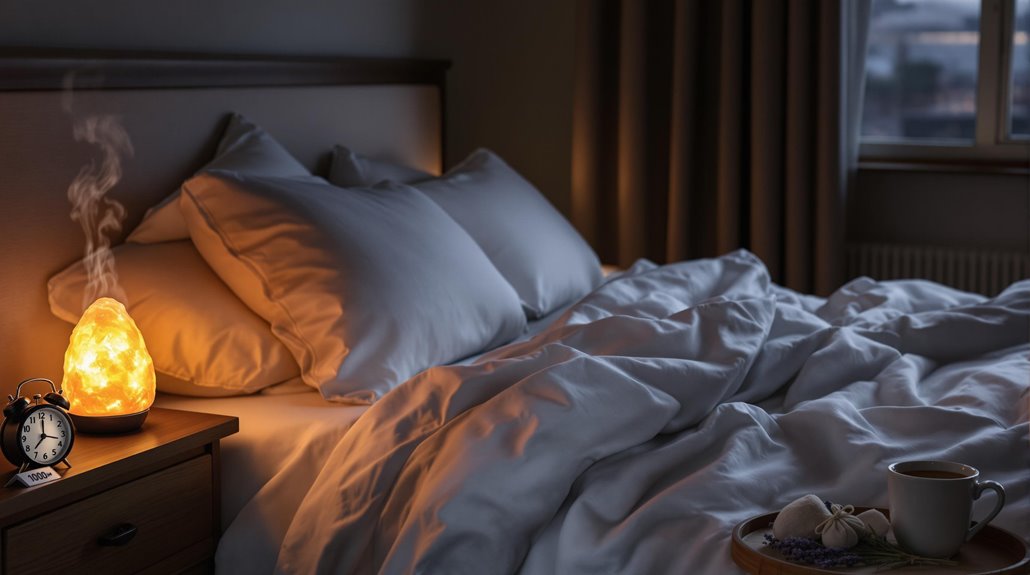
How Texans Wind Down: Bedtime Rituals Across the Lone Star State

You've probably noticed how your evening routine affects your sleep quality. Across Texas, bedtime habits vary dramatically—from the structured family rituals along the border to the screen-dominated evenings many adults struggle with.
These differences don't just impact how quickly you fall asleep, but also your overall health and productivity. The way you wind down tonight might explain why you're dragging tomorrow, and why your neighbors seem so refreshed.
The Texas Insomnia Crisis: Millions Seeking Better Sleep
Darkness falls across the Lone Star State, but for many Texans, rest remains elusive. You're not alone if you're counting sheep instead of sleeping—about a third of adults report short or disrupted sleep at least some nights.
The search for solutions is evident, with Texans frequently looking up sleep aids and remedies each year. While sleep experts' recommendations often focus on non-pharmaceutical approaches first, only a minority ultimately rely on prescription medication. Texas lags many states on measures of restorative sleep.
Urban centers face particular challenges, with some Gulf Coast and metro areas ranking among the more sleep-deprived in national comparisons. Even in large North Texas metros, substantial shares of residents report insufficient sleep. Innovative sleep technologies are gaining popularity as Texans seek alternatives to one-size-fits-all remedies in this growing health concern.
Screen Time Struggles: How Digital Habits Impact Texan Sleep
View this post on Instagram
While darkness falls across Texas, the glow of electronic devices persists in millions of homes, creating a new bedtime adversary. You're not alone if your family battles technology-driven sleep deficit—many Texas children and teens spend hours daily on screens outside schoolwork.
The trends are concerning: bedroom screens and late-night gaming or scrolling can disrupt circadian rhythms, especially among teens who report high attachment to their phones. Younger elementary students who log long recreational screen time also see more bedtime delays.
Digital habits vary across households, with some groups more likely to have bedroom TVs or tablets. As average daily screen time has risen since the early 2010s, your family's sleep quality faces new challenges from devices that keep minds engaged when they should be winding down.
Generational Differences: How Adults and Children Wind Down
The digital battle at bedtime reveals only part of Texas's sleep story, as adults and children engage in fundamentally different wind-down habits. While most parents establish consistent routines for their kids, you'll find fewer adults maintaining similar discipline for themselves.
Children benefit from structured relaxation—reading and quiet time can reduce bedtime resistance and anxiety. Meanwhile, many Texan adults spend dozens of minutes before sleep scrolling or watching video. This mirrors national patterns in which large shares of adults watch TV before bed.
Co-sleeping practices shape some families’ routines, yet have no parallel in adult sleep habits. You might be among those who turn off electronics or prioritize intimacy and relaxation, but unlike children, adult bedtimes often lack the consistency that research shows supports better sleep.
Regional Sleep Patterns: Border vs. Non-Border Rest Routines
Sleep patterns along Texas's border regions tell a distinctly different story from those in the state's interior communities. In some surveys, younger students near the border are less likely to meet recommended sleep guidelines, while older teens can fare comparatively better.
Cultural nuances affect routines in many Latino households, and community stressors can compound sleep challenges. A sizeable share of Latino adults report insufficient sleep, intersecting with broader health disparities.
Economic hardships that disrupt sleep may include food insecurity and limited healthcare access, with adolescents in parts of the Lower Rio Grande Valley reporting disturbed sleep. Employed teens often rest better than unemployed peers. Border residents also show tighter links between poor sleep and problematic eating patterns, creating a complex web of health factors unique to these communities.
Creating the Ideal Texas Sleep Environment
How exactly do Texans craft spaces conducive to restful slumber? You'll want to start with climate control—using fans, air conditioning, and breathable bedding to counter Texas heat and humidity that can disrupt sleep quality.
Noise reduction strategies are essential, particularly in urban areas where sound pollution interrupts sleep cycles.
For parents, creating safe infant sleep environments means firm, flat surfaces with fitted sheets and keeping areas free from loose bedding. Many Texas parents follow these critical guidelines.
Your bedroom should be electronics-free, as screens strongly affect sleep quality. A significant share of children and teens have devices in their bedrooms, contributing to delayed sleep onset. This is especially concerning since many Texas children already sleep fewer hours than recommended.
Complete your sleep sanctuary with blackout curtains to counter light pollution and minimize clutter for a calming atmosphere.
The Parent's Dilemma: Managing Bedtime Resistance in Children
Parents across Texas face a nightly struggle that transforms peaceful evenings into unexpected battlegrounds: bedtime resistance. You're not alone if your child employs stalling tactics like requesting extra drinks or “just one more story”—this affects a notable portion of elementary-aged children statewide.
The culprit? Often it's those screens in your child's bedroom. With many second-graders having electronic devices nearby, these digital distractions disrupt sleep patterns and amplify resistance behaviors. Young children with heavy TV or tablet use are more likely to have irregular bedtime and naptime schedules.
Both developmental factors and cultural traditions influence how children approach bedtime. Separation anxiety in younger kids and academic stress in teens manifest differently but require consistent routines either way.
Your most effective strategy combines firm boundaries with positive reinforcement. When you model good sleep hygiene by putting your own devices away, you're teaching healthy habits that transcend bedtime battles.
Breaking Bad Habits: Effective Sleep Hygiene Strategies for Texans
While digital devices continue to infiltrate Texan households, implementing effective sleep hygiene strategies has become essential for breaking the cycle of poor rest. Start by removing electronics from bedrooms—many high-schoolers keep devices within reach overnight, disrupting their sleep quality.
Create a sleep sanctuary that's dark, cool, and quiet using blackout curtains or white-noise machines. Combat irregular schedules by maintaining consistent bedtimes and wake times, even on weekends. Students with stable routines tend to show better focus and academic outcomes. Teens who consistently get adequate sleep (typically 8–10 hours) perform better than sleep-deprived peers.
Your awareness matters too—educate yourself and your family about sleep's importance. On college campuses across Texas, daytime sleepiness is common, underscoring that understanding proper sleep hygiene isn't just beneficial—it's necessary for long-term health and functioning.