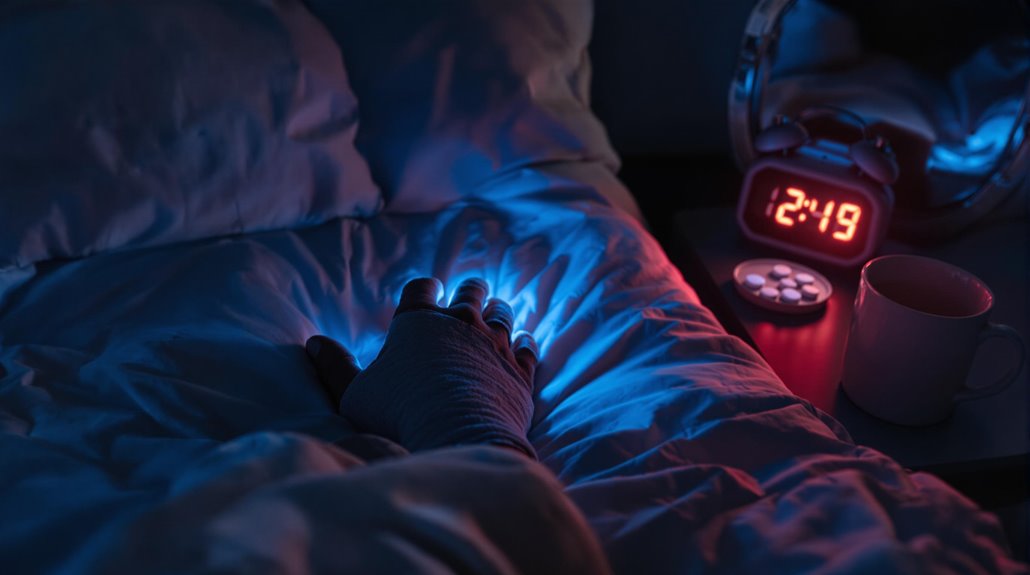
How Sleep Deprivation Affects Mental Health and Well-Being

Sleep deprivation can severely impact your mental health and emotional well-being by disrupting pivotal brain functions. When you don't get enough quality sleep, you'll experience decreased emotional control, increased anxiety, and impaired decision-making abilities. Your brain struggles to form new memories and regulate stress responses, while chronic sleep loss can trigger or worsen depression and anxiety symptoms. Poor sleep habits create a destructive cycle, as mental health issues and sleep problems feed into each other. Biological changes from lack of sleep, including hormone imbalances and neuroinflammation, further compromise your psychological stability. Understanding these connections can help you protect your mental wellness.
Understanding Sleep and Mental Health
Why do we spend nearly a third of our lives sleeping? The answer lies in sleep's vital impact on your mental health and overall well-being. Your brain uses this essential downtime to regulate emotions, process memories, and maintain cognitive function, making quality sleep crucial for your psychological stability.
When you're experiencing sleep deprivation, you'll likely notice immediate effects on your mood and thinking abilities. Poor sleep quality can trigger a cascade of negative consequences, potentially leading to anxiety and depression. What's particularly concerning is that sleep problems often create a vicious cycle - they can both cause and worsen mental health conditions, making it harder to maintain a healthy circadian rhythm.
The good news is that you can take active steps to improve your sleep quality. Implementing proper sleep hygiene practices, such as maintaining consistent bedtime routines and creating an optimal sleep environment, can significantly impact your mental well-being. If you're struggling with chronic insomnia, cognitive behavioral therapy has proven especially effective in addressing both sleep difficulties and related mental health symptoms. Understanding this connection empowers you to prioritize sleep as a fundamental aspect of your mental health care.
Effects on Emotional Regulation
A consistent lack of sleep wreaks havoc on your emotional control system. When you're experiencing sleep deprivation, you'll notice significant changes in your emotional regulation abilities, which directly impact your mental health and emotional well-being. Research shows that even short periods of poor sleep quality can diminish your positive emotions while increasing your vulnerability to anxiety symptoms.
Your sleep habits play an essential role in maintaining emotional balance. When you face sleep problems like extended wakefulness or frequent nighttime disruptions, you're more likely to struggle with emotional control. While the connection between sleep deprivation and anxiety is well-established, the relationship with depression symptoms isn't as clear-cut, though it's still a concern for your overall mental health.
Scientists have observed that individual differences affect how people respond to sleep loss emotionally. You might be more or less susceptible to these effects than others, but the general impact on emotional well-being is consistent across studies. Whether you experience one night of poor sleep or ongoing sleep problems, your ability to regulate emotions will likely suffer, highlighting the importance of maintaining healthy sleep patterns.
Sleep Loss and Brain Function

Beyond emotional regulation, sleep loss has deep effects on your brain's core functions. When you're experiencing sleep deprivation, your cognitive functioning takes a significant hit, making it harder to concentrate, remember important information, and make sound decisions. Your brain's ability to process and respond to daily challenges becomes severely compromised, affecting your overall mental well-being.
Sleep is indispensable for brain plasticity and memory consolidation, processes that directly impact your ability to learn and adapt. Without adequate sleep, you'll notice:
- Reduced ability to form new memories and retain information
- Decreased capacity to regulate emotional responses and handle stress
- Impaired decision-making skills and problem-solving abilities
These disruptions in brain function can create a dangerous cycle that increases your risk of developing mental health disorders. Research shows that chronic sleep deprivation is closely linked to depression and anxiety, as your brain loses its natural ability to maintain emotional balance. When you don't get enough sleep, your brain's neural responses to positive experiences diminish, making it harder to maintain a positive mood and healthy mental state.
Biological Impact of Poor Sleep
The biological toll of sleep deprivation extends far deeper than simple fatigue or drowsiness. When you're experiencing poor sleep quality, your brain undergoes significant changes that affect multiple aspects of your mental health. Sleep disturbances trigger neuroinflammation, a biological process that can lead to the development of psychiatric disorders and impair your cognitive functioning.
Your sleep patterns directly influence your brain's structure and activity. When you don't get enough rest, you'll notice decreased volume in vital brain regions responsible for memory formation, learning capabilities, and emotional regulation. This reduction can compromise your ability to process and retain positive emotional experiences, making you more susceptible to negative mood states.
Poor sleep also disrupts your circadian rhythm, your body's internal clock that regulates various biological processes. This disruption causes hormone imbalances that further impact your mental well-being. The combination of these biological changes creates a cascade effect: your brain's ability to function ideally diminishes, your emotional stability becomes compromised, and you're at increased risk for developing mental health issues. Understanding these biological impacts highlights why maintaining healthy sleep patterns is essential for your overall mental wellness.
Common Mental Health Disorders

Understanding sleep's relationship with mental health reveals a complex web of interconnected disorders. You'll find that sleep deprivation and mental health conditions often create a challenging cycle, where one intensifies the other. If you're dealing with depression, you're likely to experience insomnia or excessive sleepiness, as this affects over 75% of individuals with the condition.
Sleep problems manifest differently across various mental health conditions:
- For anxiety and PTSD sufferers, you might struggle with persistent insomnia and nightmares, while your REM sleep becomes markedly disrupted
- If you have bipolar disorder, you'll likely notice irregular sleep-wake patterns that can trigger or worsen mood episodes
- With ADHD or autism spectrum disorder, you may face ongoing challenges with insomnia and sleep-disordered breathing
These sleep disturbances create a domino effect on your mental well-being. When you're not sleeping well, your existing symptoms often intensify, making it harder to manage your condition effectively. Understanding this connection is vital because treating sleep problems can significantly improve your mental health outcomes and overall quality of life.
The Role of Sleep Cycles
Sleep cycles operate like a finely tuned orchestra, with each stage playing a critical role in your mental well-being. Your brain moves through distinct phases of REM and non-REM sleep, each contributing to emotional regulation and cognitive function. When you don't get enough quality sleep, particularly REM sleep, you'll likely experience difficulties processing emotions and maintaining stable moods.
Your circadian rhythm acts as the conductor of this intricate process, orchestrating when you should sleep and wake. When you disrupt this natural rhythm, you're more likely to experience anxiety and irritability. Think of your sleep cycle as an emotional reset button - it helps consolidate your emotional memories and experiences from the day, allowing you to wake up with a fresh outlook and better emotional balance.
Sleep disruption can quickly derail your mental health. When you don't get enough quality sleep, your brain can't properly process emotional information, leading to heightened emotional responses and decreased stress tolerance. That's why maintaining consistent sleep patterns isn't just about feeling rested - it's essential for protecting your mental health and emotional well-being.
Breaking the Sleepless Cycle

Breaking free from poor sleep habits requires a strategic approach to disrupt the vicious cycle of sleeplessness and anxiety. When you're dealing with sleep problems, you'll find that insomnia and mental health issues often feed into each other, creating a destructive pattern that's difficult to escape. Poor sleep quality can trigger or worsen anxiety and depression, while these mental health conditions can make it even harder to get restful sleep.
To improve your sleep health and break free from sleep deprivation, consider these evidence-based strategies:
- Commit to cognitive behavioral therapy, which has proven highly effective in treating both sleep disorders and associated mental health challenges
- Establish a consistent sleep schedule that aligns with your body's natural rhythms, even on weekends
- Create a relaxing bedtime routine that helps separate daytime stress from nighttime rest
Strategies for Better Sleep
Building a solid foundation for restful sleep requires implementing practical, science-backed strategies that work with your body's natural rhythms. To combat sleep deprivation and improve your sleep quality, you'll need to establish a consistent sleep schedule that remains unchanged, even during weekends. This regularity helps regulate your body's internal clock and promotes better sleep hygiene.
Your evening routine plays an essential role in preparing for rest. You'll want to create a relaxing pre-bedtime routine that signals to your body it's time to wind down. This might include taking a warm bath, reading, or practicing meditation. Managing blue light exposure is equally important - put away your electronic devices at least 1-2 hours before bed to allow your brain to produce sleep-inducing hormones naturally.
Pay attention to your bedroom environment by keeping it cool, dark, and quiet. These conditions support ideal sleep quality and help maintain uninterrupted rest. Additionally, you'll need to be mindful of substances that can interfere with sleep. Avoid caffeine, nicotine, and alcohol near bedtime, as they can disrupt your sleep patterns and lead to poor-quality rest.
Related posts