How Sleep Apnea Can Affect Your Overall Health
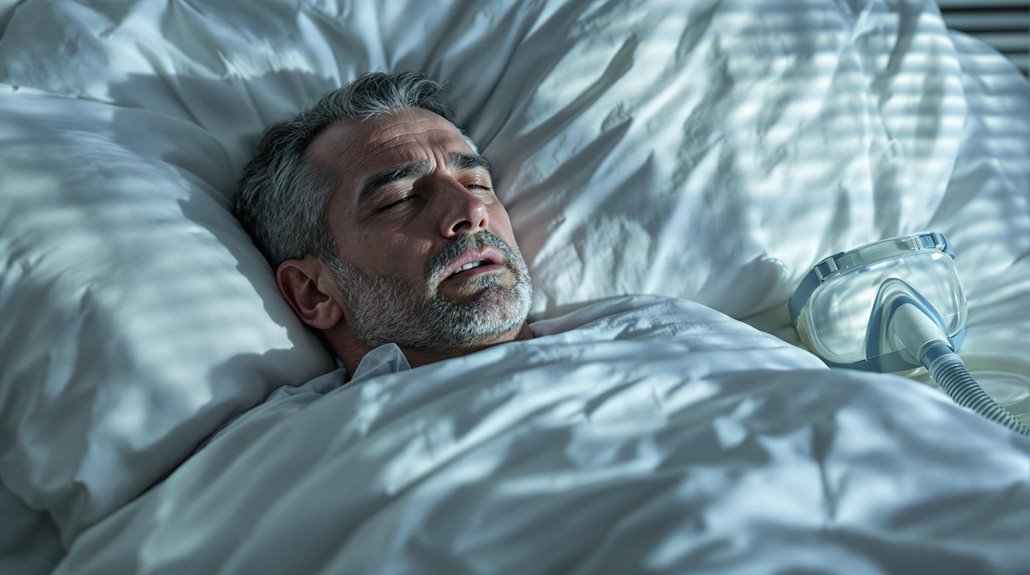
Sleep apnea can severely impact your overall health by disrupting your body's natural sleep rhythm. When you stop breathing repeatedly during sleep, it strains your cardiovascular system, increasing your risk of heart disease, stroke, and high blood pressure. You'll likely experience daytime fatigue, morning headaches, and difficulty concentrating. The condition also affects your brain function, potentially leading to cognitive decline and memory problems. Your metabolism can suffer too, raising the risk of type 2 diabetes and weight gain. If you're experiencing symptoms like loud snoring or gasping for air during sleep, understanding your treatment options could be life-changing.
Understanding Sleep Apnea Basics
Many people who struggle with sleep don't realize they have sleep apnea, a serious disorder that disrupts breathing during sleep. This condition comes in two main forms: obstructive sleep apnea, where your airway becomes physically blocked, and central sleep apnea, where your brain doesn't send proper signals to control your breathing.
You might have sleep apnea if you experience symptoms like loud snoring, sudden gasping for air during sleep, persistent daytime fatigue, or frequent morning headaches. These signs shouldn't be ignored, as untreated sleep apnea can put you at risk for serious health complications.
Understanding your symptoms is pivotal for proper treatment. If you have obstructive sleep apnea, your throat muscles relax too much during sleep, causing your airway to collapse or become blocked. This physical obstruction leads to repeated breathing interruptions throughout the night. While central sleep apnea is less common, it's equally serious, as it stems from communication problems between your brain and breathing muscles. If you suspect you have sleep apnea, it is imperative to seek medical evaluation, as various treatment options are available to help you manage this condition effectively.
Common Signs and Symptoms
The telltale signs of sleep apnea often extend beyond nighttime disturbances into daily life. While loud snoring is a common indicator, you might notice that your sleep is interrupted by breathing pauses, followed by gasping or choking sensations. These disruptions can profoundly impact your sleep quality, leading to persistent daytime sleepiness and fatigue.
You may find yourself struggling with morning headaches or waking up with a dry mouth. Throughout the day, concentration issues might affect your work performance, and you could experience difficulty remembering important details. It's essential to recognize that not all sleep apnea sufferers experience noticeable snoring, so you'll want to pay attention to other symptoms like frequent nighttime awakenings.
The impact of poor sleep quality can also manifest in your emotional well-being. You might notice unexplained mood swings or increased irritability. These symptoms can affect both your personal and professional life, potentially leading to depression. Additionally, your daytime sleepiness could put you at higher risk for accidents, whether at work or while driving, making it critical to recognize these warning signs and seek appropriate medical attention.
The Weight Connection
Understanding the symptoms of sleep apnea leads us to one of its most considerable underlying causes: body weight. If you're carrying excess weight, particularly around your neck and upper body, you're at a higher risk of developing sleep apnea. Obesity affects your upper airway by adding pressure and causing obstruction, which interferes with normal breathing during sleep.
Weight gain doesn't just increase your risk of developing sleep apnea - it can also worsen existing conditions. This is particularly concerning for women after menopause, when hormonal changes can lead to weight redistribution and increased fat accumulation, making them more susceptible to sleep apnea and its associated health complications.
The good news is that weight loss can be a powerful tool in managing and even reversing sleep apnea. By maintaining a healthy weight through proper diet and regular exercise, you'll reduce the pressure on your upper airway and improve your breathing patterns during sleep. In many cases, losing weight can greatly decrease the severity of sleep apnea symptoms or eliminate them altogether. If you're struggling with sleep apnea, addressing your weight should be a primary focus of your treatment plan.
Heart Health Risks
Sleep apnea takes a considerable toll on your heart health, creating a cascade of cardiovascular complications when left untreated. When you experience repeated breathing interruptions during sleep, your cardiovascular system faces substantial stress. These pauses cause your blood vessels to narrow and your blood pressure to rise, setting the stage for serious heart problems.
If you're living with untreated sleep apnea, you're at a much higher risk of developing heart disease, and your chances of experiencing a heart attack or stroke increase greatly. The condition can also trigger atrial fibrillation, an irregular heart rhythm that further compromises your cardiovascular health. Over time, the continuous strain on your heart can lead to heart failure by weakening its ability to pump blood effectively.
However, there's good news: proper treatment can help protect your heart. CPAP therapy (continuous positive airway pressure) has proven particularly effective in reducing these cardiovascular risks. By keeping your airway open during sleep, CPAP therapy helps maintain normal breathing patterns and reduces the stress on your heart, leading to better overall cardiovascular outcomes.
Brain Function Impact

Anyone experiencing sleep apnea faces significant risks to their brain health, as repeated interruptions in breathing can deeply affect cognitive function. When your sleep patterns are disrupted night after night, you'll likely notice changes in your memory, attention span, and ability to make sound decisions. These disruptions aren't just temporary inconveniences - they can lead to lasting brain changes and accelerated cognitive decline if left untreated.
You might find yourself struggling with excessive daytime sleepiness, which can severely impact your work performance and social interactions. What's particularly concerning is that untreated sleep apnea increases your risk of developing mild cognitive impairment, which can eventually progress to more serious forms of dementia. This makes it essential to address sleep apnea symptoms as soon as you notice them.
The good news is that effective treatments are available. CPAP therapy has proven particularly successful in improving cognitive function and potentially slowing down cognitive decline. By maintaining consistent treatment with CPAP, you're not just improving your nightly rest - you're actively protecting your brain health and maintaining your mental sharpness for the long term.
Metabolic System Changes
Beyond its effects on brain function, untreated sleep apnea can greatly disrupt your body's metabolic processes. When you experience repeated pauses in breathing during sleep, your body undergoes intermittent hypoxia, which triggers a cascade of metabolic disturbances. This disruption can seriously impact your glucose regulation and increase your risk of developing insulin resistance, potentially leading to type 2 diabetes.
You're also more likely to develop metabolic syndrome if you have sleep apnea. This condition combines several concerning health markers, including elevated blood pressure, abnormal cholesterol levels, and increased waist circumference. The impact doesn't stop there - your liver health can suffer too. Sleep apnea is associated with higher liver enzyme levels and can increase your chances of developing fatty liver disease, even if you don't drink alcohol.
The good news is that treating your sleep apnea can help reverse some of these metabolic complications. When you receive proper treatment, you'll likely see improvements in your insulin sensitivity and glycemic control. This proves how indispensable it is to address sleep apnea early to safeguard your metabolic health.
Respiratory System Effects
Your respiratory system takes a considerable hit when dealing with sleep apnea, particularly if left untreated. The condition's repeated breathing interruptions during sleep can drastically compromise your oxygen levels, making you more susceptible to respiratory infections and breathing difficulties. If you already have conditions like asthma or COPD, sleep apnea can worsen your symptoms and make breathing even more challenging.
The impact on your respiratory health goes beyond just nighttime discomfort. Your lung function can deteriorate as your body struggles with the constant interruptions in breathing patterns. You'll likely notice decreased exercise capacity and may experience more frequent shortness of breath during daily activities. What's particularly concerning is that sleep apnea can lead to serious complications like pulmonary hypertension, where the blood pressure in your lung arteries becomes dangerously raised.
The ongoing cycle of reduced oxygen levels throughout the night doesn't just affect your sleep quality - it poses significant risks to your overall respiratory health. Without proper treatment, you're facing an increased risk of respiratory failure and worsening symptoms if you have existing respiratory conditions.
Mental Health Consequences
Sleep apnea wreaks havoc on mental health, extending far beyond just feeling tired in the morning. If you're experiencing symptoms of sleep apnea, you may notice significant changes in your emotional well-being, including increased feelings of depression, anxiety, and sudden mood swings. The effects of sleep disruption can leave you feeling irritable and struggling to maintain emotional balance throughout your day.
Poor sleep caused by sleep disorders like sleep apnea often impairs your cognitive function in substantial ways. You'll likely find it harder to concentrate on tasks, remember important information, or maintain mental clarity. What's particularly concerning is that sleep apnea can accelerate cognitive decline and increase your risk of developing mild cognitive impairment over time. This mental fog can severely impact your daily life, from work performance to personal relationships.
The good news is that addressing your sleep apnea through proper treatment can help reverse many of these mental health challenges. By improving your sleep quality, you're not only protecting your cognitive function but also investing in your long-term mental well-being and overall quality of life.
Daily Performance Issues
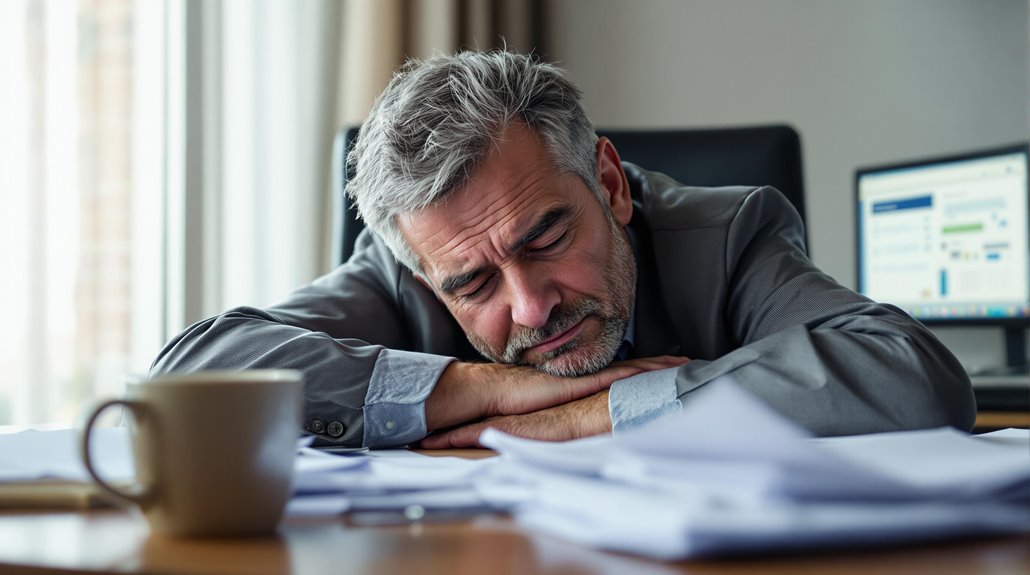
While mental health impacts are significant, the daily performance challenges of sleep apnea can be equally disruptive. If you snore loudly and have sleep apnea, you're likely experiencing excessive daytime sleepiness that can severely impact your daily activities. You might find yourself feeling groggy throughout the day, struggling to concentrate, or even falling asleep at work.
The consequences of untreated sleep apnea on your daily life can be severe. You're up to five times more likely to be involved in car accidents due to drowsiness while driving. Your cognitive function may decline, affecting your memory and decision-making abilities. At work, you're at higher risk of workplace accidents and making errors that could jeopardize your job performance and safety.
Your quality of life can deteriorate as these daily challenges mount. Simple tasks become harder to complete, and your productivity suffers. You might struggle to maintain focus during important meetings or find yourself making mistakes in routine tasks. The combination of impaired concentration, memory issues, and constant fatigue can affect everything from your job performance to your personal relationships, making it essential to address sleep apnea symptoms promptly.
Treatment Options Available
In light of sleep apnea's serious effects, several effective treatment options can help you manage and overcome this condition. The most reliable solution is CPAP therapy, which uses a specialized machine to maintain open airways while you sleep. If you find CPAP challenging to use, oral appliances can serve as an alternative by repositioning your jaw and tongue to prevent airway blockage.
For mild cases, positional therapy might be sufficient. You can use specialized pillows or devices that keep you sleeping on your side, reducing the likelihood of airway obstruction. In severe cases where other treatments haven't worked, your doctor might recommend surgical interventions to remove excess tissue or adjust your jaw structure.
Don't overlook the importance of lifestyle changes in managing sleep apnea. You'll want to focus on weight loss if you're carrying extra pounds, as this can dramatically reduce symptoms. It's also essential to avoid alcohol and sedatives before bedtime, as these can worsen your condition. Maintaining good sleep hygiene, including regular sleep schedules and a comfortable sleep environment, complements these treatments and improves their effectiveness.
Long-Term Health Implications
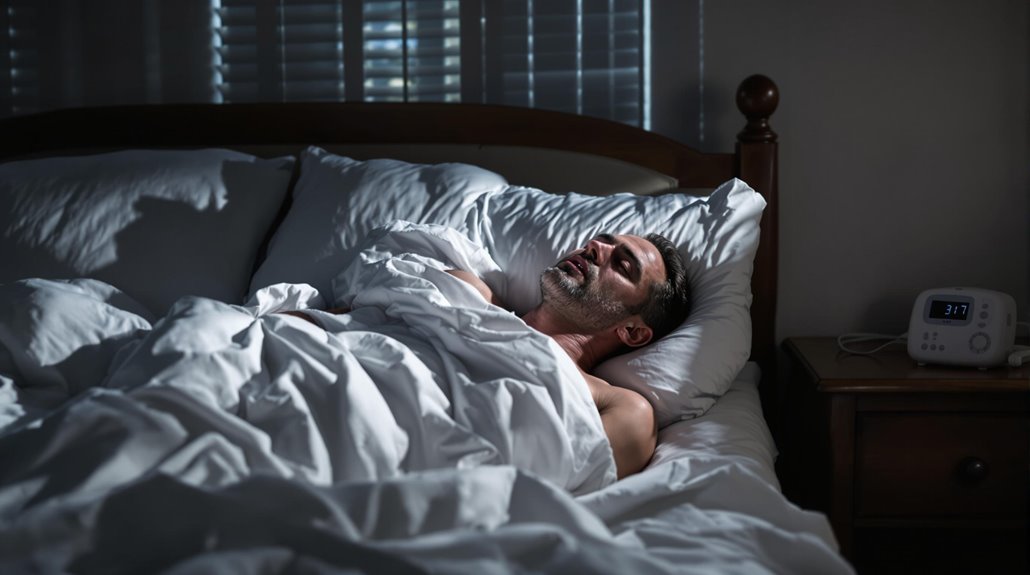
The health fallout from untreated sleep apnea extends far beyond occasional tiredness, potentially triggering a cascade of serious medical conditions. If you're living with untreated sleep apnea, you're at highly elevated risk for cardiovascular problems, including high blood pressure, heart attack, and stroke. These risks shouldn't be taken lightly, as they can have life-threatening consequences.
Your metabolic health is also at stake. Sleep apnea can increase your chances of developing type 2 diabetes and worsen metabolic syndrome symptoms, creating a troubling cycle of health complications. The impact on your brain health is equally concerning - chronic sleep disruption can lead to cognitive impairment, affecting your memory, decision-making abilities, and emotional well-being.
You'll also find that sleep apnea can aggravate respiratory issues, making conditions like asthma and COPD more difficult to manage. Perhaps most noticeably, your quality of life may greatly decline as you struggle with daytime fatigue, reduced productivity, and increased risk of accidents both at work and while driving. The extensive nature of these health implications makes treating sleep apnea a pivotal priority for your long-term well-being.
Prevention Strategies
Making lifestyle changes can markedly reduce your risk of developing sleep apnea or lessen its severity if you already have it. Since obesity greatly increases your chances of developing sleep apnea, maintaining a healthy weight through regular exercise and proper diet is essential. You'll also want to manage other health conditions, particularly high blood pressure, which can worsen sleep apnea symptoms.
If you smoke, quit now, as smoking can increase inflammation and fluid retention in your upper airway muscles. When these throat muscles relax during sleep, the inflammation makes breathing even more difficult. Additionally, getting enough sleep on a regular schedule helps prevent the excessive relaxation of throat tissues that occurs with sleep deprivation.
For existing sleep apnea patients, consistent use of a CPAP machine remains the most effective prevention strategy against worsening symptoms. You should also avoid sleeping on your back, as this position makes your tongue and soft tissues more likely to block your airway. Consider elevating your head with an extra pillow or using specialized pillows designed to promote side sleeping. Regular exercise of your throat muscles through specific exercises can also help strengthen the muscles that keep your airway open.
Partner Impact Assessment
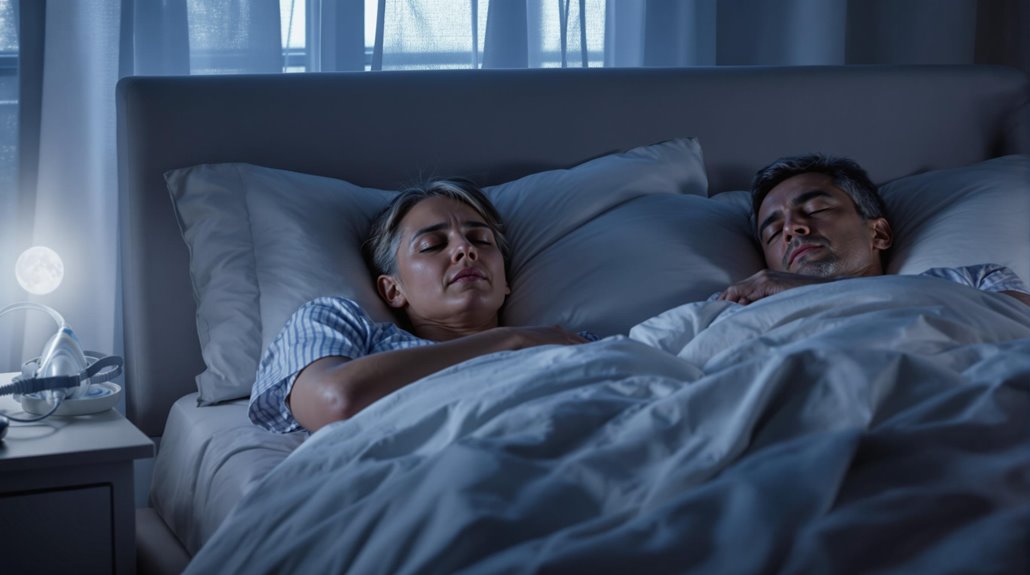
Living with someone who has sleep apnea frequently affects more than just the person with the condition. If you're sharing a bed with someone who has this sleep disorder, you're likely experiencing disruptions to your own sleep quality due to their loud snoring and irregular breathing patterns. These disturbances can lead to your own sleep deprivation, resulting in daytime fatigue and irritability.
The impact of sleep-disordered breathing on relationships can be significant. You might find yourself needing to sleep in a separate room to get adequate rest, which can create emotional distance between you and your partner. The constant interruptions from your partner's breathing pauses can prevent you from achieving the deep, restorative sleep you need for ideal health and daily functioning.
However, it's important to recognize that addressing your partner's sleep apnea can improve both of your lives. By encouraging your partner to seek treatment and supporting them through the process, you can help restore healthy sleep patterns for both of you. This proactive approach not only enhances sleep quality but also strengthens your relationship and overall well-being.
Diagnostic Testing Methods
Medical professionals rely on several proven testing methods to accurately diagnose sleep apnea, with polysomnography serving as the most extensive diagnostic tool. During this thorough sleep study, you'll spend the night at a specialized facility where technicians monitor various aspects of your sleep patterns and bodily functions to determine the presence and severity of sleep apnea.
If you're experiencing sleep apnea symptoms, your doctor might first recommend a home sleep apnea test, which offers a convenient initial assessment in your own bedroom. They'll also evaluate your patient history and conduct physical examinations to identify anatomical features or lifestyle factors that could contribute to your condition. The Epworth Sleepiness Scale helps quantify your daytime drowsiness, providing significant data to support the diagnosis.
In some cases, your healthcare provider may recommend advanced imaging techniques, particularly drug-induced sleep endoscopy. This procedure allows doctors to visualize your upper airway during simulated sleep, pinpointing exactly where the obstruction occurs. By combining multiple diagnostic methods, your medical team can develop the most effective treatment plan for your specific situation.
Recovery and Management
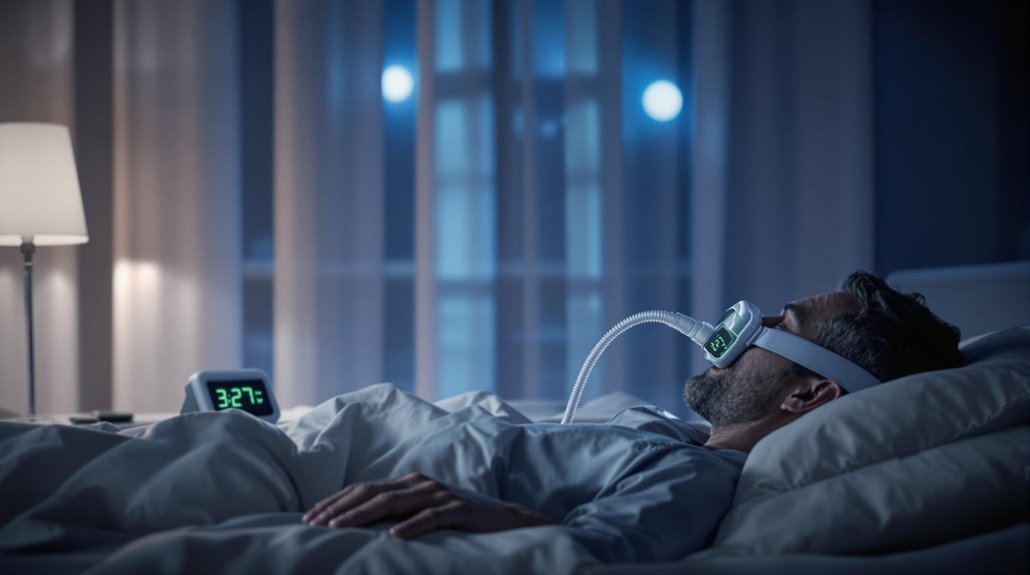
Successful management of sleep apnea relies on three core treatment approaches: CPAP therapy, lifestyle modifications, and consistent medical oversight. If you've been diagnosed with obstructive sleep apnea, your doctor will likely recommend CPAP therapy as your primary treatment option. This effective intervention can dramatically improve your sleep apnea symptoms while reducing your cardiovascular health risks.
Weight loss plays a pivotal role in sleep apnea treatment, especially if you're carrying extra pounds. Through dedicated diet and exercise, you'll find that shedding excess weight can greatly reduce or even eliminate your symptoms. If you can't tolerate CPAP therapy, oral appliances offer an alternative solution for mild to moderate cases by repositioning your jaw during sleep.
You'll need to maintain good sleep hygiene habits to maximize your treatment's effectiveness. This includes keeping consistent sleep schedules and avoiding alcohol before bedtime. Regular follow-up appointments with your healthcare provider are essential to monitor your progress and adjust your treatment plan as needed. Your provider will track your symptoms, evaluate your CPAP usage, and make necessary modifications to ensure optimal results.