
How Morning Routines Became Part of Wellness and Productivity Culture

Before practical routines and wellness advice filled social media feeds, mornings were often viewed simply as the beginning of the workday. Today, however, the first hour after waking has become a cultural phenomenon. From hydration habits and journaling to meditation, stretching, and coffee rituals, morning routines are presented as a way to improve not only productivity but also mental wellbeing.
What was once considered a personal habit has evolved into a widely discussed lifestyle practice that influences how millions of people start their day. This transformation has been shaped by self-help books, workplace culture, wellness movements, and especially social media. While no single routine works for everyone, the popularity of these habits reflects a broader cultural desire for balance, consistency, and intentional living in an increasingly busy world.
What Changed When Morning Routines Stopped Being About Discipline
For much of the twentieth century, successful mornings were associated with discipline and efficiency. Waking early, following a strict schedule, and beginning work immediately were often seen as signs of determination and ambition. Productivity was measured by how much someone could accomplish before most people had even started their day.
Over time, that perspective began to change. Wellness advocates started encouraging people to think about mornings as an opportunity to prepare emotionally as well as physically. Instead of rushing directly into responsibilities, routines began emphasizing breathing exercises, mindfulness, stretching, gratitude, and quiet reflection. Success became less about doing more and more about creating a calm foundation for the hours ahead.
This shift also reflected changing attitudes toward work-life balance. Rather than viewing every minute as something to optimize, many people began protecting their mornings from unnecessary stress. Small rituals like making coffee slowly, writing in a journal, or spending a few minutes outside became meaningful ways to establish focus before the demands of work, school, and technology took over.

How Productivity Culture Turned Morning Habits Into Work Tools
While wellness culture encouraged slower, more intentional mornings, productivity culture introduced a different perspective. Books, podcasts, business leaders, and workplace experts promoted morning routines as tools for improving concentration, decision-making, and long-term success. The first hour of the day became something to optimize, with carefully planned habits designed to improve performance before the workday officially began.
This approach popularized concepts such as habit stacking, where several small behaviors are linked together into one consistent routine. Drinking water, exercising, reviewing goals, journaling, reading, and planning the day's priorities became common recommendations. The idea was simple: repeating the same sequence every morning would reduce decision fatigue and create momentum that carried through the rest of the day.
Although these routines proved helpful for many people, they also created pressure to build increasingly elaborate morning schedules. Some routines stretched to ninety minutes or even two hours, making them difficult to maintain consistently. That tension eventually sparked a broader conversation about whether productivity should always be the primary goal of a morning routine or whether flexibility and personal wellbeing deserved equal attention.
How TikTok and YouTube Made Morning Routines Go Viral
The popularity of morning routines exploded once social media platforms began showcasing them through short-form videos and daily vlogs. On TikTok, YouTube, and Instagram, creators documented everything from sunrise workouts and skincare routines to healthy breakfasts and carefully organized workspaces. These videos transformed ordinary habits into visually appealing stories that inspired viewers to rethink their own mornings.
Formats such as "Morning Routine," "Day in My Life," and "Get Ready With Me" became some of the most recognizable forms of lifestyle content online. Viewers enjoyed watching creators prepare coffee, tidy their homes, journal, exercise, and begin work because these routines offered both entertainment and practical ideas.
Social media also made morning routines feel highly customizable. Instead of copying one perfect schedule, people borrowed individual habits that suited their own lifestyles. Someone might adopt a five-minute meditation, while another person might simply start drinking water before checking notifications. This flexibility helped transform morning routines from rigid productivity systems into personal rituals that continue evolving alongside changing wellness and internet culture.
Why Simple Routines Outperform Rise-and-Grind Systems
As increasingly elaborate morning routines spread across books, podcasts, and social media, many people discovered that complexity often became the biggest obstacle to consistency. A routine that required waking two hours early, completing multiple workouts, journaling extensively, and preparing elaborate breakfasts could quickly become difficult to maintain alongside work, school, or family responsibilities.
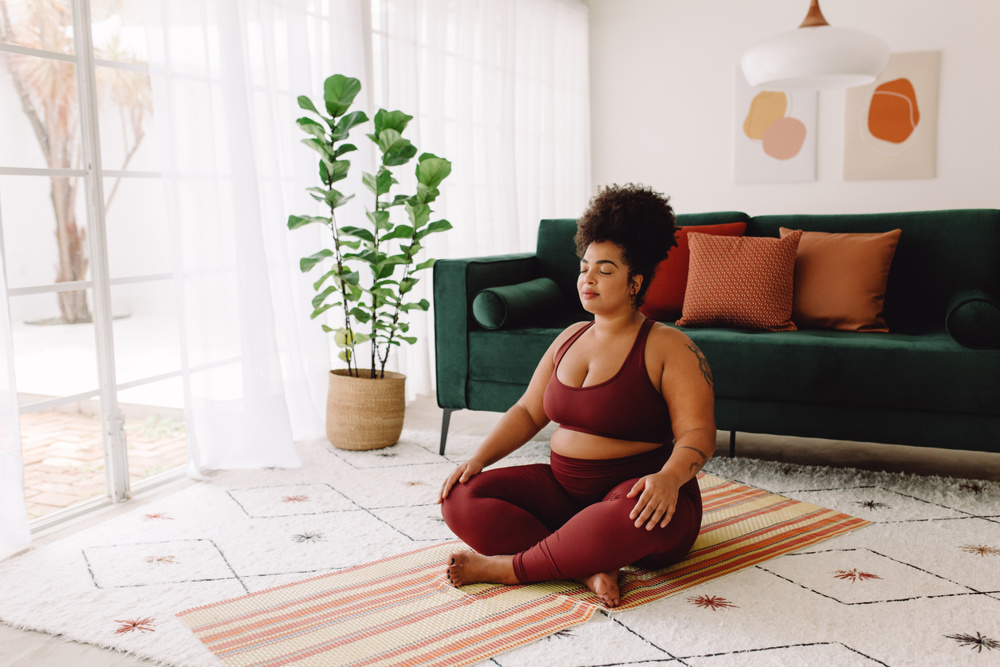
Simple routines solve that problem by focusing on a few meaningful habits instead of lengthy checklists. Drinking a glass of water, opening the curtains to let in natural light, taking a short walk, or writing one priority for the day can all provide structure without requiring significant time or effort.
Rather than measuring success by how many tasks are completed before sunrise, modern wellness experts increasingly emphasize consistency over intensity. This growing preference for smart, soft health routines reflects a shift toward habits that feel sustainable, flexible, and supportive of long-term wellbeing. A routine that fits naturally into everyday life often provides greater long-term benefits than an ambitious schedule that feels impossible to sustain.
The Standard Morning Routine Template and Why It Spread
Across wellness blogs, productivity guides, and self-improvement content, a nearly identical morning routine template emerged — hydration, movement, journaling, gratitude, and planning — repeated so consistently it started to feel like a default blueprint. This ritual diffusion happened because the format was easy to copy, share, and adapt. The habit architecture was already built for you, allowing people to adopt proven routines without spending time deciding where to begin.
Here's why the template spread so effectively:
- It required no guesswork — the sequence was pre-packaged and ready to follow.
- It avoided phones early — protecting your first 15–30 minutes from reactive thinking.
- It blended wellness and productivity — serving multiple goals simultaneously.
- It was visually shareable — lists and frameworks traveled fast across platforms.
The routine also proved flexible enough to fit different lifestyles. Some people followed every step, while others selected only the habits that worked for their schedules. You didn't need to design a routine from scratch—you just needed to start one and adjust it over time until it felt natural.
How Body-Based Reasoning Made Morning Routines Feel Scientific
Another reason morning routines became so influential is that many recommendations were presented alongside simple scientific explanations. Wellness writers and health professionals frequently connected everyday habits to sleep cycles, circadian rhythms, hydration, and stress management, giving routines an evidence-based appeal that resonated with a wide audience.
Morning sunlight, for example, is commonly recommended because exposure to natural light helps regulate the body's internal clock. Drinking water after waking supports hydration following several hours of sleep, while light movement encourages circulation and helps people feel more alert. Journaling and mindfulness exercises are often associated with reducing mental clutter before the day's responsibilities begin.
Although individual results naturally vary, these explanations made ordinary habits feel purposeful rather than arbitrary. Instead of following routines simply because influencers recommended them, many people appreciated understanding how these small actions could support both physical wellbeing and mental focus.
Celebrity Morning Routines and Why People Copy Them
Celebrity morning routines have become a popular source of inspiration, adding another layer to the wellness and productivity conversation. Interviews, podcasts, documentaries, and social media posts regularly highlight how actors, athletes, entrepreneurs, and business leaders begin their days. Audiences are often fascinated by these routines because they offer a glimpse into the daily habits of highly successful people.
Some public figures emphasize exercise and meditation, while others focus on reading, journaling, or spending quiet time with family before work begins. Although every routine is different, the underlying message is remarkably similar: establishing consistent habits creates structure that supports long-term success. Viewers often adapt individual ideas rather than attempting to copy every detail.
These celebrity routines also influence broader wellness culture. Bestselling books, podcasts, and online discussions frequently analyze successful people's habits, encouraging audiences to experiment with routines that align with their own goals. In many cases, the appeal lies less in perfection than in discovering small practices that feel both realistic and sustainable.
What a Realistic Morning Routine Actually Looks Like
As expectations became more flexible, realistic morning routines gained popularity. Instead of following lengthy checklists, many people now build routines around a handful of repeatable habits that fit comfortably into everyday life. This approach reduces pressure while making it much easier to stay consistent over weeks and months.
A realistic routine might begin with drinking water, opening the curtains for natural light, making coffee or tea, stretching for a few minutes, and reviewing the day's priorities. Others may include reading, meditation, journaling, or simply enjoying a quiet breakfast before work begins. The specific activities matter less than choosing habits that genuinely support your wellbeing.
Most importantly, realistic routines leave room for flexibility. Busy mornings, travel, family responsibilities, or unexpected events don't have to derail an entire system. When routines are built around adaptable habits instead of rigid schedules, they're much more likely to become lasting parts of everyday life.
How to Build a Morning Routine That Fits Your Life
Building a routine that sticks starts with knowing what you're actually working with—your schedule, your energy patterns, and how much time you can realistically protect each morning. Your personal preferences and time constraints should shape the structure, not the other way around. A routine should support your daily life rather than become another source of pressure or unrealistic expectations.
Start small and build only what you'll actually repeat:
- Pick one or two habits first — hydration, movement, or journaling, not all three immediately.
- Match timing to your energy — work with your natural rhythm instead of forcing a 5 a.m. start.
- Account for time constraints — a 20-minute routine beats an abandoned 90-minute one.
- Prepare the night before — lay out what you need so mornings run with less friction.
As these habits become second nature, you can gradually introduce new ones that support your goals without overwhelming your schedule. The most successful routines evolve over time, adapting to changes in work, family life, and personal priorities while remaining simple enough to maintain consistently.
Conclusion
Morning routines have evolved from strict discipline into one of the defining features of modern wellness and productivity culture. Influenced by self-help movements, workplace habits, celebrity interviews, and especially social media, they have become more than simple schedules—they represent a broader desire to begin each day with purpose, balance, and intention.
Whether inspired by a productivity podcast, a TikTok creator, or a personal desire for a calmer start, the best morning routines aren't measured by how early they begin or how many habits they include. They succeed because they reflect individual needs and can be practiced consistently over time.