
How Many Hours of Sleep Do You Really Need Each Night?

Most adults need 7-9 hours of quality sleep each night, but your exact requirements depend on factors like age, activity level, and overall health. You'll know you're not getting enough rest if you experience constant daytime fatigue, difficulty concentrating, or mood changes. While newborns need up to 17 hours and teenagers require 8-10 hours, adults should aim for consistent nightly sleep within the recommended range. Simply counting hours isn't enough - you need uninterrupted, restorative sleep to maintain preferable physical and mental wellbeing. Understanding your personal sleep patterns can help you access better health and performance.
Understanding Sleep Duration By Age
Three key life stages require distinctly different amounts of sleep for ideal health. During your early years, your sleep needs are at their highest, with newborns requiring 14-17 sleep hours and infants needing 12-15 hours daily. As you progress into toddlerhood, your recommended sleep duration decreases to 11-14 hours.
Your sleep requirements continue to evolve through childhood and adolescence. Preschoolers need 10-13 hours, while school-age children require 9-11 hours for optimal sleep. Teenagers should aim for 8-10 hours to maintain healthy sleep patterns.
As an adult, your sleep needs stabilize. Most adults between 18-64 years need 7-9 hours of quality sleep each night, while those 65 and older require slightly less at 7-8 hours. It is crucial to recognize that these sleep recommendations serve as general guidelines, and your individual sleep needs may vary within these ranges.
Understanding sleep by age helps you maintain proper sleep hygiene and recognize when you're getting enough rest. Your genetics, lifestyle choices, and overall health can influence your personal sleep requirements, making it essential to pay attention to how you feel and perform with different amounts of sleep.
Sleep Quality Versus Sleep Quantity
While understanding age-specific sleep requirements provides a foundation for healthy rest, the raw number of hours you spend in bed doesn't tell the whole story. Sleep quality is just as indispensable as sleep quantity, and you might find yourself feeling tired even after getting your recommended hours if your sleep is frequently interrupted.
Your sleep patterns can be affected by various factors, including previous sleep deprivation, pregnancy, and aging. To improve both your sleep quality and quantity, you'll need to maintain a consistent sleep schedule and create an ideal sleep environment that promotes uninterrupted rest. If you're struggling with sleep issues, consider keeping a sleep diary or using a sleep tracking device to identify patterns and potential disruptions in your sleep routine.
If you've made adjustments to your sleep environment and schedule but still wake up feeling unrested, don't hesitate to seek medical advice. Persistent sleep problems might indicate underlying health conditions that require professional attention. Remember that good sleep isn't just about logging enough hours - it's about ensuring those hours provide the restorative rest your body needs.
Signs of Insufficient Sleep
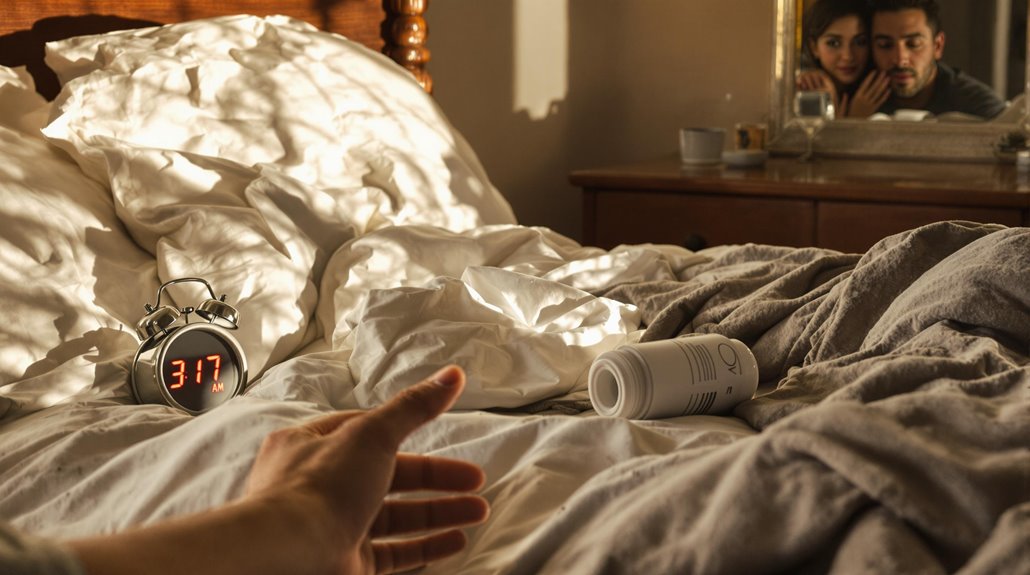
Most people can recognize when they're not getting enough sleep, but some signs are less obvious than others. If you're constantly yawning or finding yourself dozing off during daytime naps, these are clear indicators that your sleep habits need adjustment. You might notice that you're having trouble staying alert during the day or can't feel rested no matter how many hours you spend in bed.
Pay attention to changes in your mental and emotional health. If you're experiencing difficulty concentrating, persistent irritability, or struggling to regulate your emotions, insufficient sleep could be the culprit. Your wake time might be particularly challenging, with you hitting the snooze button repeatedly and feeling groggy for hours afterward. More concerning are microsleeps, where you briefly fall asleep during daily activities, signaling a serious need for better quality sleep.
Your physical health can also suffer from poor sleep. If you're getting sick more often or taking longer to recover from illness, it might be time to evaluate your sleep schedule. Remember that both the quantity and quality of your sleep play essential roles in maintaining optimal health and well-being.
Measuring Your Personal Sleep Needs
Determining your personal sleep needs requires a systematic approach to tracking and analyzing your sleep patterns. While healthy adults typically need between seven to nine hours of sleep, your individual need for sleep may vary based on several factors, including age, lifestyle, and overall health conditions.
To measure the quality of your sleep and determine if you're getting enough sleep, consider these essential steps:
- Track your sleep duration and wake times for at least two weeks, noting how refreshed you feel each morning
- Use a sleep calculator to identify preferred bedtimes based on your desired wake time and natural sleep cycles
- Monitor your energy levels, mood, and cognitive performance throughout the day
- Adjust your sleep schedule in 15-minute increments until you find your ideal amount
The recommended amount of sleep isn't one-size-fits-all, and what works for others might not work for you. Pay attention to how you feel after different amounts of rest, and be consistent with your sleep schedule. Time and patience are essential as you work to identify your preferred sleep duration. Remember that good sleep habits take time to develop, but the benefits to your overall well-being are worth the effort.
Sleep Deprivation Health Risks

Because sleep deprivation affects nearly every system in your body, its health risks are both severe and far-reaching. When you don't get enough sleep, you're increasing your risk of serious conditions including cardiovascular disease, heart disease, and stroke. Sleep loss can also contribute to weight gain and obesity, as it disrupts your body's hormonal balance and can lead to increased appetite and poor food choices. Additionally, you'll face a higher risk of developing type 2 diabetes due to impaired glucose metabolism.
Your immune system takes a considerable hit when you're sleep-deprived, making you more vulnerable to infections and illnesses. The impact extends to your mental health, too, with lack of sleep triggering mood disturbances and depression. You'll likely experience cognitive impairments that affect your memory, decision-making abilities, and concentration. These mental effects can be particularly dangerous when driving or operating machinery, as your reaction time slows substantially. If you already have sleep apnea or other sleep disorders, chronic sleep loss can worsen your condition and create a destructive cycle that amplifies these health risks. The bottom line is clear: consistent, quality sleep isn't optional—it's essential for your overall health and well-being.
Creating Optimal Sleep Patterns
Now that you understand the serious health implications of sleep deprivation, taking action to develop better sleep habits can protect your well-being. Creating ideal sleep patterns requires a strategic approach to your daily routines and sleep environment. By implementing consistent sleep recommendations and addressing your unique sleep needs, you'll experience improved sleep quality and overall sleep health.
- Set a non-negotiable sleep schedule by going to bed and waking up at the same time every day, including weekends
- Create a sleep-friendly environment that's cool (65-68°F), completely dark, and free from noise disruptions
- Establish a calming pre-bed routine that incorporates relaxation techniques like deep breathing or meditation
- Remove electronic devices and avoid caffeine at least 2-3 hours before your designated bedtime
Remember that optimizing your sleep patterns isn't just about sleep duration - it's about creating a comprehensive approach to sleep health. If you're still struggling with sleep quality after implementing these sleep tips, don't hesitate to consult a healthcare provider. They can help identify any underlying issues affecting your sleep patterns and provide personalized recommendations to improve your rest.