How Fibromyalgia Impacts Sleep and Tips for Better Rest

Fibromyalgia can severely disrupt your sleep through chronic pain, non-restorative rest, and related conditions like sleep apnea or restless legs syndrome. You'll find relief through a combination of approaches: medication prescribed by your doctor, gentle exercise earlier in the day, and creating a sleep-friendly environment. Try cognitive behavioral therapy to manage stress, practice relaxation techniques like deep breathing, and consider warm baths before bed. Don't forget to keep your bedroom cool, dark, and quiet while avoiding electronics before bedtime. These strategies work together to help break the cycle of poor sleep and worsening symptoms - but there's much more to investigate for better rest.
Understanding Fibromyalgia and Sleep Patterns
According to recent research, fibromyalgia and sleep disturbances are deeply intertwined, creating a challenging cycle for those affected by this chronic condition. If you have fibromyalgia, you'll likely experience various sleep-related issues, including difficulty falling asleep, frequent nighttime awakenings, and waking up feeling unrefreshed despite getting enough hours of rest.
What makes this connection particularly complex is the irregular brain activity that occurs during sleep in fibromyalgia patients. This unusual brain activity pattern can worsen your pain symptoms and contribute to increased daytime sleepiness. You're also more likely to develop comorbid sleep disorders, such as insomnia, sleep apnea, or restless leg syndrome, which can further compromise your sleep quality.
Understanding these sleep patterns is vital for managing your fibromyalgia effectively. Poor sleep quality can intensify your symptoms, while improved sleep may help alleviate them. That's why healthcare providers often emphasize the importance of addressing sleep issues through proper sleep hygiene and treatment of any underlying sleep disorders as part of a thorough management strategy for fibromyalgia.
Common Sleep Disruptions
Three primary sleep disruptions consistently plague individuals with fibromyalgia, making restful sleep particularly challenging. Insomnia, the inability to fall or stay asleep, often stems from chronic pain and can leave you tossing and turning throughout the night. You'll also likely experience non-restorative sleep, where you wake up feeling unrefreshed despite getting adequate hours of rest.
The second major disruption involves changes in your sleep pattern, particularly during the non-rapid eye movement phases. You'll get less slow-wave sleep, which is vital for physical restoration and pain management. This reduction can intensify your fibromyalgia symptoms and lead to increased daytime fatigue.
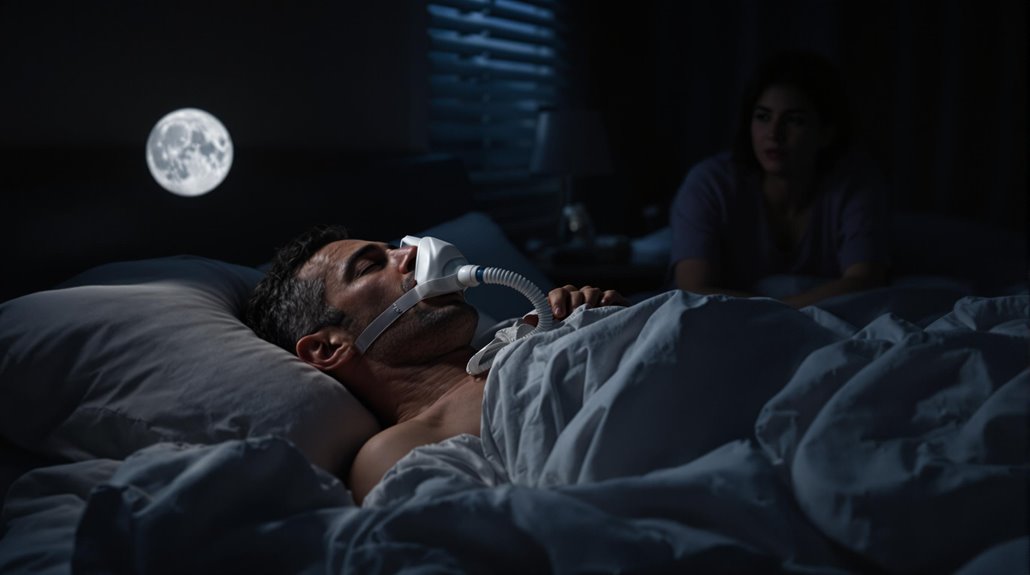
Adding to these challenges, you might develop secondary sleep disorders that further compromise your sleep quality. Restless legs syndrome affects many fibromyalgia patients, while others struggle with obstructive sleep apnea. These conditions create a troublesome cycle - your fibromyalgia pain disrupts your sleep, while poor sleep worsens your pain and fatigue. Understanding these disruptions is important because they're often interconnected, and addressing one aspect can help improve others.
Medication Options for Better Sleep

Various medication approaches can help manage your fibromyalgia-related sleep problems, with extended-release formulations often proving particularly effective. These medications work by targeting nighttime pain and discomfort, allowing you to maintain more consistent sleep throughout the night. If you're struggling with sleep, your doctor might recommend specific medications designed to address both pain and fibromyalgia symptoms during nighttime hours.
It's important to understand that while medication can improve sleep for many people with fibromyalgia, you might need to try different options before finding what works best. Your doctor may also investigate and treat related conditions that could be affecting your sleep quality. For instance, if you have restless legs syndrome alongside fibromyalgia, treating this condition might extensively improve your sleep. Similarly, addressing potential sleep apnea, even without a formal diagnosis, could provide relief for some patients.
Remember that medication isn't always a full solution. Some people with fibromyalgia may find that certain medications don't provide adequate relief, making it essential to work closely with your healthcare provider to develop a detailed treatment strategy that addresses your specific sleep challenges.
Exercise and Physical Activity Benefits
While managing fibromyalgia symptoms can feel challenging, regular physical activity plays a crucial role in improving your sleep quality. People with this syndrome often experience better rest when they engage in daytime exercise, as it helps your brain release stress and promotes natural relaxation when bedtime arrives.
For ideal health benefits, you'll want to schedule your workouts earlier in the day, avoiding intense activity within three hours of sleep. If you're looking for gentle options that won't overtax your legs and joints, consider water-based exercises. Many patients find pool workouts more manageable and less strenuous than land-based activities.
Tai chi is particularly beneficial for those with fibromyalgia, as it combines meditation with gentle movements and focused breathing. This ancient practice can help reduce pain while creating a calming effect that supports better sleep patterns. Remember to stick with low-impact exercises that don't aggravate your symptoms. By maintaining consistent physical activity during daylight hours, you're likely to experience improved sleep quality and better management of your fibromyalgia symptoms overall.
Managing Nighttime Pain

Physical activity alone may not fully address the sleep challenges you face with fibromyalgia. Managing nighttime chronic pain requires a targeted approach, as Sleep and pain often create a challenging cycle that disrupts your rest.
If you're struggling with nighttime Fibromyalgia: Symptoms, your doctor might recommend extended-release medications specifically designed to provide sustained pain relief throughout your sleep hours. These medications can help break the cycle where Sleep Affects your pain levels and vice versa. While some people find sufficient relief through medication, others may need to examine additional options.
It's important to work with a sleep specialist to identify and treat any overlapping conditions that might be worsening your sleep quality. For instance, if you have Restless Legs Syndrome alongside fibromyalgia, addressing this condition could notably improve your rest. Even without a formal diagnosis, treating potential sleep apnea might help ease your symptoms. Remember that good sleep hygiene practices, combined with appropriate medical interventions, can create a more thorough approach to managing your nighttime discomfort. Your healthcare provider can help determine which combination of treatments will work best for your specific situation.
Creating Your Sleep Environment
A well-designed sleep environment can greatly impact your ability to rest with fibromyalgia. When you're struggling with poor sleep quality and trying to sleep in pain, optimizing your bedroom becomes fundamental for your physical health. Sleep deprivation can worsen symptoms like restless legs, making it vital to create conditions that promote good sleep.
Transform your bedroom into a sleep-friendly sanctuary by following these key principles:
- Keep your room cool, dark, and quiet to minimize sensory disruptions that can interfere with your sleep schedule
- Turn off electronic devices at least an hour before bedtime to reduce stimulation and help your mind wind down naturally
- Use aromatherapy with calming scents like lavender to create a relaxing atmosphere
- Invest in a mattress recommended by a pain specialist to guarantee proper support and reduce pressure points
Your sleep environment should support your pre-bedtime routine, whether that includes gentle stretching or a warm bath. Consider installing blackout curtains and using white noise machines if needed. Remember, creating the right sleep environment isn't a luxury—it's a necessary component of managing fibromyalgia effectively.
Cognitive Behavioral Therapy Approaches
Cognitive behavioral therapy offers powerful tools for breaking the cycle between chronic pain and sleep difficulties in fibromyalgia patients. When you're feeling restless and unable to sleep, negative thought patterns can intensify both your pain and sleep problems. CBT helps you identify and change these harmful thoughts that keep you trapped in a cycle of poor sleep and worsening symptoms.
If you're struggling with Lack of Sleep Cause and effect patterns, cognitive behavioral therapy can teach you practical techniques to quiet your mind and reduce anxiety about sleeping. This is particularly helpful for those dealing with Fibromyalgia and Restless Legs symptoms, as CBT can help manage the stress that often accompanies Restless Legs Syndrome among fibromyalgia patients. Research shows that CBT can actually protect your brain by slowing central nervous system changes associated with fibromyalgia.
Relaxation Techniques Before Bed
Soothing relaxation techniques before bedtime can greatly improve sleep quality for fibromyalgia patients. When you're dealing with muscle tension and sleep difficulties, incorporating mindfulness meditation and deep breathing exercises into your nighttime routine can help calm both body and mind. You'll find that these relaxation techniques create a peaceful shift from your daily activities to restful sleep.
Create a calming bedtime environment by trying these proven methods:
- Practice gentle yoga stretches combined with deep breathing to release muscle tension and prepare your body for sleep
- Take a warm bath approximately an hour before bedtime to help your body relax naturally
- Set up an aromatherapy diffuser with lavender essential oil to create a peaceful atmosphere in your bedroom
- Engage in 10-15 minutes of mindfulness meditation to quiet racing thoughts and promote better sleep quality
Treating Coexisting Sleep Disorders
Because fibromyalgia often occurs alongside other sleep disorders, treating these conditions simultaneously can substantially improve your overall sleep quality. Research shows that over half of fibromyalgia patients experience comorbid conditions like restless legs syndrome, which can intensify daytime sleepiness and worsen sleep disturbances.
If you're dealing with sleep problems related to fibromyalgia, it's fundamental to address any coexisting sleep disorders. Sleep apnea, in particular, shares many characteristics with fibromyalgia-related sleep issues, and treating it may help alleviate your symptoms even if you don't have an official sleep apnea diagnosis. When you manage these comorbid conditions effectively, you're likely to see improvements in both your sleep quality and overall fibromyalgia symptoms.
Don't overlook the impact of sleep disorders on your fibromyalgia management. Work with your healthcare provider to identify and treat any underlying sleep conditions, especially if you're experiencing symptoms of restless legs syndrome or sleep apnea. By addressing these coexisting sleep disorders, you'll be taking an important step toward better sleep and reduced fibromyalgia symptoms.
Music and Sound Therapy
Beyond managing coexisting sleep disorders, music therapy offers a natural and effective approach to improving sleep quality for people with fibromyalgia. Research shows that calming music can greatly impact your sleep patterns and help you achieve good nights of deep sleep. When you're having trouble sleeping due to fibromyalgia symptoms, specially designed sleep music can make a real difference.
- You can adjust both the sound and duration to match your personal preferences, making it easier to fall asleep
- If you wake up during the night, you can replay the soothing music to help you drift back to sleep
- The specific beats in sleep-promoting music are designed to guide you into a deeper, more restful state
- Music therapy not only improves sleep but also helps reduce pain and lower stress levels
For the best results, incorporate calming music into your bedtime routine. You'll find that consistent use of music therapy can lead to substantial improvements in both sleep quality and duration, helping you manage your fibromyalgia symptoms more effectively.
Vitamin D and Sleep Quality

Recent research reveals a strong connection between vitamin D deficiency and sleep disturbances in fibromyalgia patients. If you're struggling with poor sleep quality and widespread pain due to fibromyalgia, your vitamin D levels might be playing a pivotal role. Studies have shown that addressing vitamin D deficiency through supplementation can significantly reduce pain symptoms and improve your overall sleep health.
Your body relies on adequate vitamin D levels to maintain healthy sleep-wake cycles, which directly impact how well you rest at night. When you combine vitamin D supplements with prescribed antidepressant medication like Trazadone, you'll likely experience even better results in managing your sleep disturbances. This combination approach has proven particularly effective in helping fibromyalgia patients achieve more restful sleep.
To optimize your sleep quality, you'll want to make vitamin D supplementation part of your extensive treatment strategy. Work with your healthcare provider to check your vitamin D levels and determine the right supplementation dose for your needs. By addressing vitamin D deficiency, you're taking an important step toward better sleep and reduced fibromyalgia symptoms.
Establishing Healthy Sleep Routines
While vitamin D supplementation can enhance your sleep quality, establishing consistent sleep routines will maximize these benefits for managing fibromyalgia symptoms. Your sleep-wake cycle plays a pivotal role in managing fibromyalgia, and creating a structured bedtime routine can vastly improve your rest. You'll want to optimize your sleep environment by minimizing external light and noise disturbances.
To develop healthy sleep habits, consider these essential practices:
- Maintain strict bedtime and wake-up times, even on weekends, to regulate your natural sleep-wake cycle
- Create a calming bedtime routine that includes relaxation techniques like meditation or deep breathing
- Avoid caffeine, nicotine, and alcohol, especially in the hours leading up to bedtime
- Schedule physical activity earlier in the day, steering clear of intense exercise close to bedtime
Your bedroom should become a sanctuary for sleep, free from electronic distractions and excessive light. By incorporating these practices into your daily routine, you'll establish a more predictable sleep pattern. Remember that consistency is key - stick to your chosen routines to experience the most significant improvements in your sleep quality.