How Exercise Impacts Sleep Deprivation: Benefits and Risks
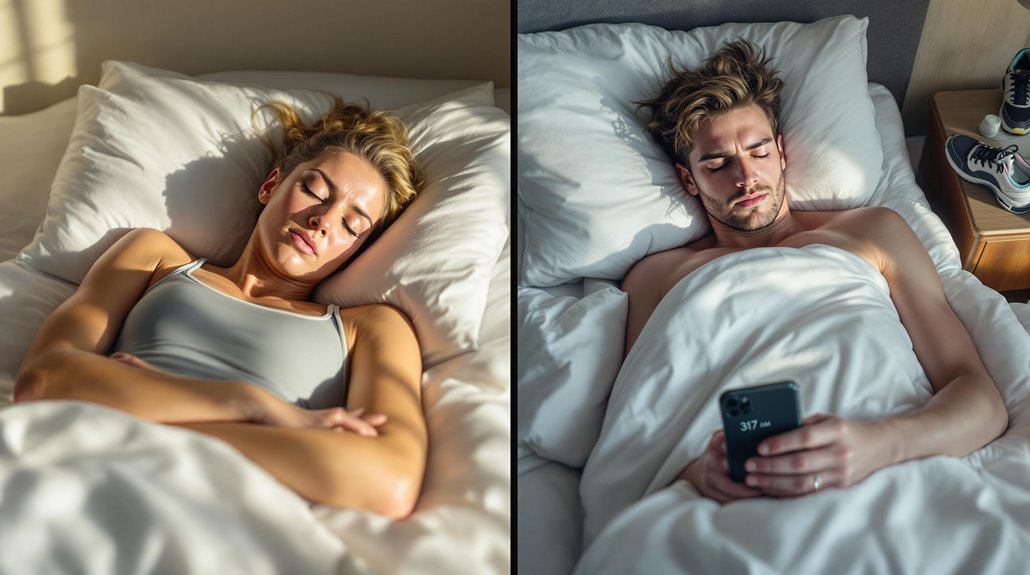
Exercise can help combat sleep deprivation by improving your sleep quality and regulating hormones, but timing is fundamental. You'll benefit most from moderate aerobic activities, like walking or swimming, which enhance slow-wave sleep without overtaxing your system. While regular physical activity helps stabilize mood and decompress your mind, high-intensity workouts when sleep-deprived may strain your body and disrupt sleep patterns further. It's best to schedule workouts 2-3 hours before bedtime and start with low-impact exercises. Your body's response to different activities and intensities will guide you toward the most effective approach for your situation.
Understanding Sleep Deprivation
Sleep deprivation, a widespread health concern in today's fast-paced world, occurs when you consistently get less than the recommended 7-9 hours of sleep per night. When you're not getting enough sleep, you'll notice immediate effects on your daily functioning, including difficulty concentrating, increased irritability, and a general sense of fatigue that can impact your physical activity levels and overall performance.
The consequences of ongoing sleep deprivation extend far beyond just feeling tired. Your health faces serious risks when you consistently miss out on quality sleep. Your immune system becomes compromised, making you more susceptible to illnesses. You'll also face an increased risk of developing chronic conditions, including cardiovascular disease and metabolic disorders.
Several factors might be preventing you from getting adequate sleep. Work-related stress, irregular schedules, and underlying sleep disorders can all contribute to your sleep deprivation. If you're experiencing persistent sleep issues, it's pivotal to identify the root cause. Understanding how sleep deprivation affects your body and mind is the first step toward addressing this serious health concern and developing effective strategies for improvement.
Exercise and Sleep Quality
Regular workout routines can substantially enhance your sleep patterns, acting as a natural remedy for sleep-related issues. When you engage in moderate aerobic exercise, you'll experience an increase in slow-wave sleep, which plays an indispensable role in your cognitive functions and natural sleep transitions. The effects are comparable to sleeping pills, but without the potential side effects.
You don't need months of physical activity to see improvements - just 30 minutes of moderate exercise can heighten your sleep quality on the same night. Exercise helps stabilize your mood and decompress your mind, making it easier to drift off to sleep. However, timing matters profoundly. If you work out too close to bedtime, you might find it harder to fall asleep due to increased endorphin levels and body temperature.
The relationship between exercise and sleep quality is direct and measurable. If you're struggling with sleep complaints or insomnia, incorporating regular physical activity into your routine can help alleviate these issues. You'll notice improvements in both how quickly you fall asleep and the overall quality of your rest.
Timing Your Workouts

Knowing when to schedule your workouts can make or break your sleep quality. If you exercise too close to bedtime, you'll likely experience disrupted sleep due to elevated core body temperature and increased brain activity from endorphin release. Instead, you'll want to time your physical activity wisely to maximize its sleep-promoting benefits.
For ideal results, schedule your moderate aerobic exercise 30-90 minutes before bedtime. This timing allows your body temperature to decrease and endorphin levels to normalize before you hit the pillow. Whether you prefer morning, afternoon, or early evening workouts, maintaining consistency in your timing of exercise is essential for establishing healthy sleep patterns.
You might find that different types of physical activity affect your sleep differently. While some people benefit from heart-pumping resistance training, others might sleep better after a calming yoga session. The key is to experiment with various exercise times and types to uncover what works best for your body clock. Pay attention to how different workout schedules impact your sleep quality, and adjust accordingly to create a routine that supports both your fitness goals and sleep needs.
Physical Activity Intensity Levels
Understanding exercise intensity levels plays a fundamental role in managing sleep deprivation. When you're sleep-deprived, you'll need to carefully balance your physical activity to avoid overexertion while still maintaining the benefits of regular exercise. The World Health Organization's recommendation of 150 minutes of moderate aerobic activity weekly serves as a helpful baseline, but you'll want to adjust this based on your sleep status.
You can start with low-impact activities like brisk walking or swimming, which provide enough stimulation without overwhelming your already fatigued body. As your energy levels stabilize, you might progress to more vigorous exercises, but don't exceed 75 minutes weekly when sleep-deprived. Incorporating strength training can help maintain muscle function and energy levels, but keep the intensity moderate when you haven't slept well.
Balance and flexibility exercises like yoga can be particularly beneficial during periods of sleep deprivation, as they're less demanding on your system while still promoting physical wellness. Remember that your ideal exercise intensity should fluctuate based on your sleep quality, energy levels, and overall well-being. If you're experiencing severe sleep deprivation, it's essential to prioritize gentler forms of physical activity.
Metabolic Effects During Sleep

While managing exercise intensity helps regulate your energy levels during sleep deprivation, your body's metabolic processes tell an equally important story. During sleep, your body orchestrates a complex concert of metabolic functions that maintain your energy balance, regulate blood sugar, and control hormone production. When you don't get enough sleep, these essential processes become disrupted, potentially leading to increased hunger, problems with insulin response, and hormonal imbalances.
The relationship between physical activity and sleep becomes particularly pivotal when you're sleep-deprived. While exercise can help counteract some negative effects of poor sleep duration by improving how your body processes glucose and responds to insulin, you'll need to be strategic about your workout timing and intensity. Too much high-intensity exercise when you're already sleep-deprived might further strain your metabolic processes.
You're fundamentally walking a metabolic tightrope when combining exercise with insufficient sleep. To optimize your body's response, you'll want to maintain moderate physical activity levels while working to improve your sleep patterns, as this combination helps preserve metabolic health and reduces your risk of conditions like obesity and diabetes.
Recovery and Muscle Repair
Sleep and exercise dance a delicate duet when it comes to muscle recovery and repair. When you engage in physical activity, your muscles experience microscopic damage that requires proper healing. Your body's ability to repair and strengthen these tissues heavily depends on your sleep quality, as essential recovery processes occur during your rest periods.
- During sleep, your body accelerates protein synthesis, rebuilding damaged muscle fibers and making them stronger than before.
- Your inflammatory response, which helps heal exercise-induced damage, works most effectively during deep sleep cycles.
- Growth hormone production peaks during sleep, playing a necessary role in muscle development and tissue repair.
If you're not getting enough quality sleep, you're limiting your body's recovery potential. Chronic sleep deprivation can derail your fitness progress, leaving your muscles inadequately repaired and more susceptible to injury. When you consistently shortchange your sleep while maintaining an intense exercise routine, you're risking overtraining syndrome. This condition can lead to decreased performance, prolonged fatigue, and a higher likelihood of injuries. Balancing your workout intensity with proper sleep is optimal for the best results.
Hormonal Changes and Exercise
Three key hormones - cortisol, epinephrine, and growth hormone - respond dramatically to exercise when you're sleep deprived. These hormones play vital roles in your body's stress response and recovery processes, but their heightened levels can notably impact your sleep quality. When you engage in physical activity, especially high-intensity workouts, your body produces more cortisol, which can disrupt your natural sleep-wake cycle.
The timing of your workouts matters greatly when managing these hormonal responses. If you exercise too close to bedtime, you'll likely experience delayed sleep onset due to elevated body temperature and hormone levels. You'll get better results by choosing moderate-intensity activities earlier in the day, as this helps regulate your circadian rhythms and hormone secretion patterns. If you're looking to maintain an evening exercise routine, consider switching to resistance training, which tends to have less impact on sleep-disrupting hormones compared to intense cardio workouts. Remember that while regular exercise is beneficial for overall sleep quality, the key is finding the right balance between activity intensity and timing to optimize your hormonal responses and sleep patterns.
Circadian Rhythm Regulation
Your body's circadian rhythm acts as an internal timekeeper, and regular exercise serves as one of the most powerful tools for regulating this biological clock. When you engage in physical activity, particularly during daylight hours, you're helping your body maintain a healthy sleep-wake cycle through natural light exposure and hormonal regulation.
To maximize the benefits of exercise on your circadian rhythm, consider these key factors:
- Timing matters - schedule your workouts at least 2-3 hours before bedtime to avoid disrupting your natural sleep patterns
- Natural light exposure during outdoor exercise helps synchronize your internal clock more effectively than indoor workouts
- Regular aerobic exercise increases nighttime melatonin production, making it easier to fall asleep naturally
Mental Health Benefits
When facing sleep deprivation, regular exercise emerges as a powerful ally for mental well-being. Through consistent physical activity, you'll experience improved mood and reduced symptoms of anxiety and depression that often accompany insufficient sleep. Aerobic exercise particularly stands out as it triggers the release of endorphins, providing a natural calming effect that helps counteract the emotional strain of sleep loss.
You'll find that maintaining an exercise routine can markedly enhance your cognitive abilities, even when you're running low on sleep. Your attention span, memory retention, and problem-solving skills can all benefit from regular physical activity. Exercise also helps regulate your body's stress response, which is pivotal when dealing with the emotional challenges that sleep deprivation presents.
Sleep Duration Versus Exercise
Research reveals a fascinating relationship between sleep duration and exercise's protective effects on health. When you're getting less than 6 hours of sleep, your risk of all-cause mortality increases by 16% if you're not physically active. However, meeting WHO physical activity guidelines can offset these risks, even when your sleep patterns aren't ideal.
- Regular physical activity acts as a buffer against the harmful effects of both short and long sleep duration, particularly for cardiovascular and cancer-related mortality
- If you maintain high levels of physical activity, your sleep duration becomes less critical in determining mortality risk
- Exercise helps counteract sleep deprivation's negative effects by improving your cardiovascular system, metabolism, and immune function
While preferred health comes from balancing both adequate sleep and exercise, you don't have to feel helpless if you're struggling with sleep. Your commitment to regular physical activity can serve as a protective shield against the harmful effects of poor sleep patterns. The evidence suggests that staying active might be your best defense when perfect sleep isn't achievable, though you should still aim for healthy sleep duration whenever possible.
Optimal Exercise Recommendations
Building on the protective benefits of exercise against sleep deprivation, specific workout recommendations can maximize your chances of getting better rest. You don't need months of consistent physical activity to see improvements - just 30 minutes of moderate aerobic exercise can enhance your sleep quality the same night.
When planning your exercise routine, timing matters significantly. You'll want to avoid intense workouts close to bedtime, as they can raise your core body temperature and release endorphins that might keep you awake. Instead, find a time earlier in the day that works best with your schedule and sleep patterns. The good news is that moderate aerobic activities can be as effective as sleeping pills for improving sleep quality.
Choose exercises you genuinely enjoy, as this will help you maintain consistency. Whether it's swimming, cycling, brisk walking, or dancing, any activity that boosts your heart rate can provide sleep benefits. Remember that there's no one-size-fits-all approach - you'll need to experiment to find your ideal exercise timing and intensity based on how your body responds and your personal preferences.
Sleep Disorders and Movement
The complex relationship between sleep disorders and movement creates a challenging cycle for many individuals. When you're dealing with conditions like sleep apnea or restless leg syndrome, you'll find that your physical activity levels often decrease due to fatigue and disrupted sleep patterns. This connection becomes even more pronounced in cases involving conditions like Parkinson's disease, where both sleep quality and mobility are substantially impacted.
- Sleep disorders can limit your ability to maintain regular exercise routines, potentially leading to weight gain and reduced mobility
- Obesity, often connected to sleep apnea, may further restrict your movement capabilities and decrease daily physical activity
- The right exercise program can help break this cycle by improving both sleep quality and movement patterns
You don't have to let sleep disorders control your activity levels. By working with healthcare providers to develop customized exercise programs, you can address both your sleep and movement needs simultaneously. Exercise serves as a powerful tool in managing sleep disorders, particularly those affecting movement. When you integrate appropriate physical activity into your treatment plan, you're taking an important step toward improving both your sleep quality and overall health.
Energy Levels and Performance
During periods of sleep deprivation, your energy levels and performance can take a significant hit, affecting everything from athletic abilities to daily tasks. When you're not getting enough rest, your body struggles to maintain ideal function, leading to decreased focus, slower reaction times, and reduced physical capabilities.
However, incorporating the right type of physical activity into your routine can help counteract some of these effects. Moderate exercise can elevate your energy levels and improve your overall performance, even when you're operating on less sleep than usual. You'll want to be careful with high-intensity workouts, though, as they might actually make things worse when you're sleep-deprived.
The key is finding the right balance between sleep quality and exercise. If you're consistently getting proper rest and maintaining a regular exercise routine, you'll experience better energy levels throughout the day. This combination helps optimize both your athletic performance and workplace productivity. Consider establishing a consistent schedule that prioritizes both adequate sleep and appropriate physical activity - this approach will help you maintain steady energy levels and peak performance, even during challenging periods.
Long-term Health Implications
Many long-term health consequences emerge when sleep deprivation and physical activity patterns intersect. Your risk of premature death greatly increases when you combine poor sleep habits with insufficient exercise. Research shows that if you're getting less than 6 hours (short sleep) or more than 8 hours (long sleep) of rest while maintaining low physical activity levels, you're facing a 16% and 37% increased mortality risk, respectively.
The good news is that you can counteract these risks through regular exercise. Meeting the recommended physical activity levels of 150 minutes weekly can help offset the negative effects of poor sleep duration. When you engage in moderate-to-vigorous exercise, you're helping your body regulate its circadian rhythms and fight against sleep deprivation's harmful impacts.
Key factors affecting your long-term health:
- The combination of insufficient sleep and low physical activity creates the highest mortality risk
- Regular exercise acts as a protective buffer against sleep-related health complications
- Your sleep duration (whether too short or too long) vastly influences mortality risk, particularly when combined with sedentary behavior
Exercise Safety Guidelines

Safe exercise practices become indispensable when you're traversing workouts while sleep deprived. Before embarking on any physical activity during periods of sleep deprivation, you'll need to consult your healthcare provider to guarantee it's appropriate for your situation. They can help assess your readiness and provide personalized recommendations.
Start with moderate aerobic exercises and gradually increase intensity as your body adapts. If you're experiencing significant fatigue, scale back your workout intensity or duration. Watch for signs that you're pushing too hard, such as dizziness, unusual muscle soreness, or difficulty maintaining proper form. You'll want to schedule your workouts strategically - avoid intense exercise within several hours of bedtime to prevent disrupting your sleep quality further.
While maintaining an exercise routine during sleep-deprived periods, prioritize proper hydration and nutrition to support your body's recovery process. Pay attention to how your body responds to different types of physical activity and adjust accordingly. If you notice your recovery time is lengthening or you're experiencing persistent fatigue, it's indispensable to reassess your exercise routine and potentially reduce its intensity until your sleep patterns improve.
Related posts