How Bad Sleeping Habits Can Negatively Impact Children
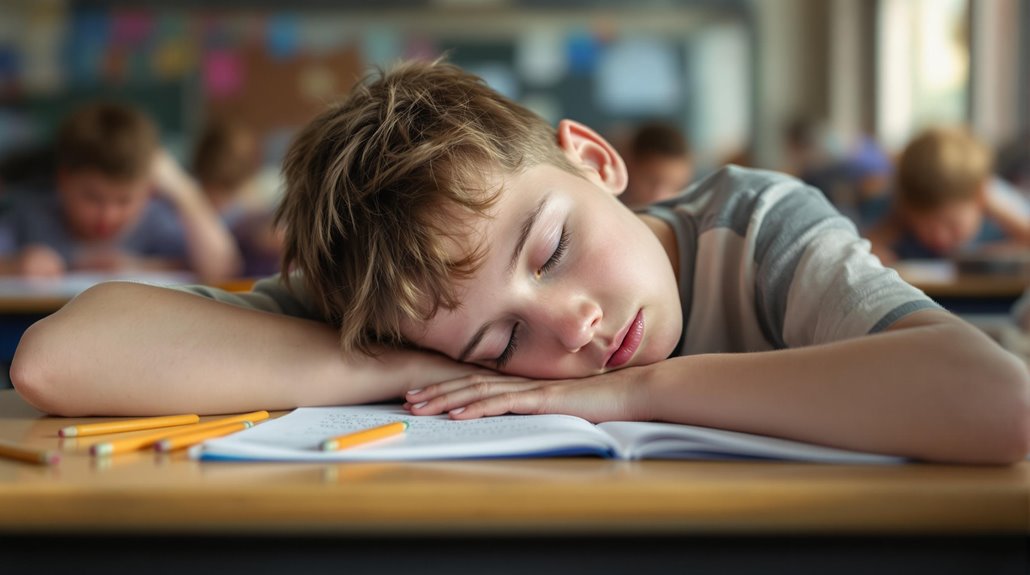
Poor sleep habits can severely impact your child beyond just making them tired. You'll notice behavioral changes like hyperactivity, irritability, and trouble focusing at school. Your child's physical health suffers too - their immune system weakens, metabolism slows, and growth hormones decrease. Lack of quality sleep disrupts their cognitive development, leading to lower academic performance and difficulty with social interactions. Even their emotional regulation takes a hit, causing more tantrums and mood swings. If you're seeing these warning signs in your child, understanding the full scope of sleep's importance can help you take action.
Understanding Sleep Deprivation in Children
During childhood development, sleep deprivation occurs when kids don't get enough quality rest for their age group. You'll notice sleep problems in children manifest differently than in adults, often leading to hyperactivity rather than drowsiness. When your child experiences inadequate sleep, they might become more irritable, struggle to focus, or display behavioral issues at school and home.
Understanding your child's sleep needs is essential, as requirements vary by age. Preschoolers typically need 10-13 hours, while school-age children require 9-11 hours nightly. You can identify sleep deprivation through various signs: difficulty waking up in the morning, falling asleep during daytime activities, or struggling to concentrate on simple tasks.
Chronic sleep problems in children often stem from irregular bedtime routines, excessive screen time before bed, or underlying medical conditions. If you notice your child consistently getting inadequate sleep, it's important to evaluate their sleep environment and habits. Common disruptors include bright lights, noise, uncomfortable room temperature, or anxiety about school or social situations. By recognizing these patterns early, you can address sleep issues before they impact your child's development and daily functioning.
Physical Health Consequences
The physical toll of poor sleep on children extends far beyond daily fatigue. When your child doesn't get enough sleep, their body can't properly regulate essential neurohormones, leading to a cascade of health complications. You'll notice these effects manifesting in various ways, from struggling with weight management to experiencing slower physical growth.
One of the most concerning consequences is the increased risk of childhood obesity. When children don't get adequate sleep, their bodies can't effectively process and regulate hormones that control appetite and metabolism. This disruption makes them more susceptible to weight gain and related health issues like diabetes and hypertension. You'll also find that sleep-deprived children tend to get sick more frequently, as insufficient rest weakens their immune system.
The impact on cardiovascular health is equally troubling. Poor sleep habits can impair your child's heart function and overall physical well-being. What's particularly alarming is that these sleep-related health issues can begin as early as adolescence and continue to affect their physical development throughout their growing years. The consequences of inadequate sleep aren't temporary - they can lead to long-term health complications that persist into adulthood.
Mental Performance and Learning
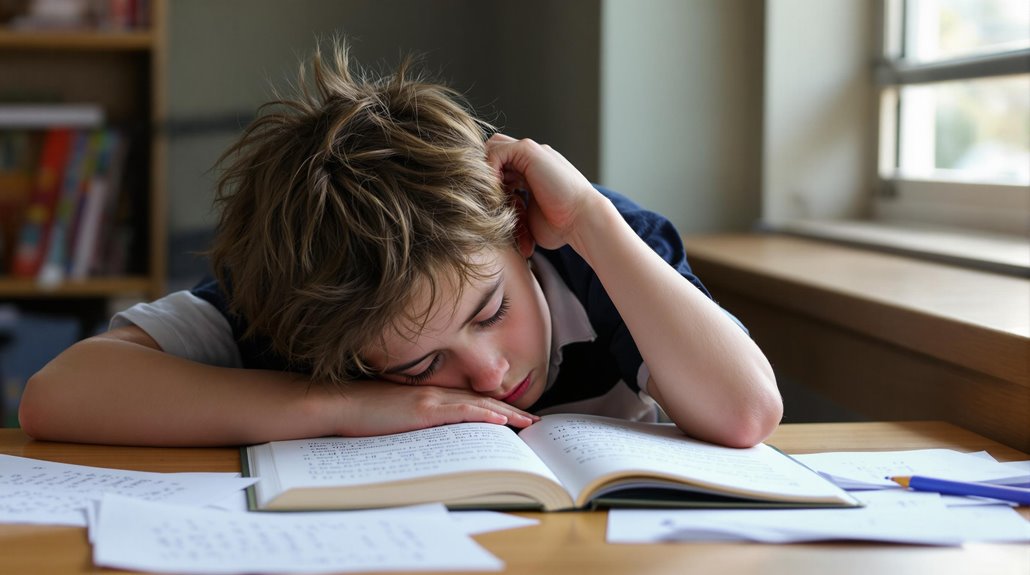
Beyond physical health problems, inadequate sleep takes a heavy toll on your child's cognitive abilities and academic success. When your child doesn't get enough hours of quality sleep, their brain's ability to process information, solve problems, and maintain focus is greatly diminished.
Lack of Sleep directly impacts your child's academic performance in multiple ways. Students who are sleep-deprived struggle with verbal creativity and find it harder to control their behavior compared to their well-rested classmates. Research shows that students who get 25-30 minutes less sleep per weeknight tend to earn lower grades, with up to 24% of teenagers reporting grade drops due to sleepiness.
Your child's cognitive functions are particularly vulnerable to poor sleep habits. Sleep deprivation interferes with their brain's neurohormone regulation, which is essential for memory formation and learning. You'll notice this impact through their decreased performance on IQ tests and reduced ability to concentrate during lessons. Without proper rest, your child's mental flexibility suffers, making it harder for them to adapt to new concepts and retain information in the classroom.
Behavioral Changes From Poor Sleep
Parents often notice dramatic behavioral shifts when their children don't get adequate sleep. When your child's sleep patterns are disrupted, you'll likely observe increased hyperactivity, impulsiveness, and difficulty focusing on tasks. Poor sleep habits can profoundly transform your normally well-behaved child into someone who struggles with emotional control and exhibits frequent mood swings.
Watch for signs that insufficient sleep is affecting your child's behavior. You might notice they're more prone to aggressive outbursts, defiant attitudes, and risky behaviors. Their ability to handle frustration diminishes, and they may have trouble maintaining positive social interactions with peers and family members. Your child's sleep deficit can manifest in ways that mirror behavioral disorders, making them appear more hyperactive and less able to control their impulses.
If you're seeing these changes, it's essential to address your child's sleep habits immediately. The connection between sleep deprivation and behavioral problems is clear - when children don't get enough quality rest, their emotional regulation suffers greatly. They'll find it harder to make good decisions, control their reactions, and maintain appropriate behavior throughout the day.
Sleep Quality Warning Signs

Recognizing sleep quality warning signs early can help you address potential problems before they worsen. If you notice your child struggling to fall asleep at night or frequently waking up during sleep hours, these could be indicators of poor sleep patterns that need attention. Your child might be experiencing sleep disorders if they consistently show excessive daytime sleepiness, such as dozing off during school activities or short car rides.
Watch for behavioral red flags that often signal sleep-related issues. If your child displays unusual hyperactivity, has difficulty controlling impulses, or experiences frequent mood swings, inadequate sleep might be the underlying cause. Pay particular attention if your school-aged child still requires daytime naps beyond age 5, as this often indicates insufficient nighttime rest. Another vital warning sign is when your child has trouble waking up in the morning, even after spending what seems like enough time in bed. If you observe any of these symptoms, it's important to evaluate your child's sleep habits and consider consulting a healthcare provider to address potential sleep disorders before they impact your child's development and daily functioning.
Impact on Growth and Development
Quality sleep plays a fundamental role in your child's physical and cognitive development. When your child doesn't get enough hours of sleep, their body can't properly release growth hormones, which typically occurs during deep sleep cycles. This disruption can lead to stunted physical growth and delayed development of critical organs.
You'll notice that insufficient sleep affects your child's brain development too. During sleep, their brain processes and consolidates information learned throughout the day, strengthening neural connections essential for memory formation and learning capacity. Without adequate rest, your child's cognitive abilities, including attention span, problem-solving skills, and emotional regulation, may suffer.
Research shows that children who consistently miss out on sleep are more likely to experience delays in both physical and mental growth and development. Your child's immune system also relies heavily on quality sleep to function properly. When they're sleep-deprived, they become more susceptible to illnesses, which can further impact their overall development. Additionally, poor sleep habits can affect their metabolism and hormone production, potentially leading to weight management issues and mood disorders.
Social Skills and Relationships

A child's social well-being takes a significant hit when sleep deprivation enters the scene. When your child doesn't get enough sleep at night, you'll notice they struggle with basic social interactions that usually come naturally. They might have trouble communicating effectively with friends, showing empathy towards others, or working cooperatively in group settings.
Research reveals that preschoolers who get less than 10 hours of sleep regularly display more concerning behavioral patterns. Your child's ability to form meaningful friendships becomes compromised, and they're more likely to either act aggressively or withdraw from social situations entirely. These challenges don't just affect peer relationships; they also strain interactions with teachers, parents, and other adults in their lives.
The impact becomes even more severe for school-aged children experiencing chronic sleep deprivation. They face higher risks of being bullied, socially rejected, or excluded from peer groups. To protect your child's social development, it's vital to prioritize quality sleep. When they're well-rested, they're better equipped to develop essential social-emotional skills, maintain healthy relationships, and manage the complex world of interpersonal interactions successfully.
Academic Achievement Concerns
Sleep deprivation takes a measurable toll on your child's academic performance. When your child isn't getting enough sleep, their grades and test scores can drop considerably. Research shows that students who sleep less than 7 hours per night consistently underperform compared to their well-rested peers, with sleep-deprived teens experiencing up to 24% more grade drops due to daytime sleepiness.
The impact of not getting much sleep extends beyond just test scores. Your child's ability to solve problems, think creatively, and concentrate during class all suffer when they're not well-rested. The difference between an A/B student and a C/D student can be as little as 25-30 minutes of sleep per night.
Key effects of poor sleep on academic performance include:
- Reduced ability to retain and process new information
- Impaired problem-solving skills and verbal creativity
- Difficulty maintaining focus during lectures and study sessions
These cognitive challenges directly affect your child's learning capacity and academic achievement. When your child consistently lacks proper sleep, their memory formation and overall cognitive functioning decline, making it harder for them to perform well in school and reach their full academic potential.
Emotional Regulation Challenges
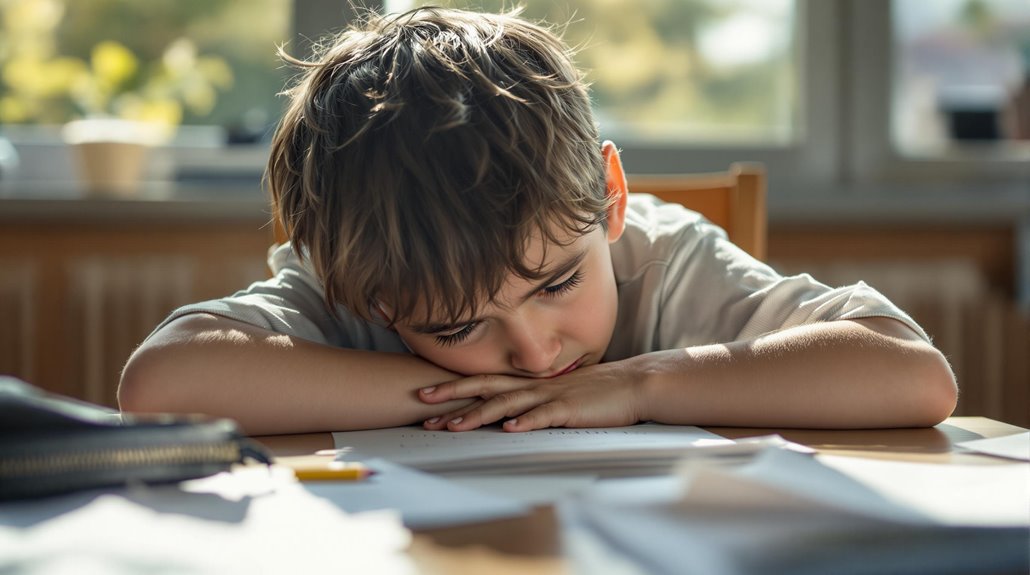
Poor sleep patterns can wreak havoc on your child's emotional stability and self-control. When your child stays up late using digital devices, you'll likely notice an increase in tantrums, irritability, and difficulty managing their emotions the next day. Even conditions like sleep apnea can contribute to these behavioral challenges, making it harder for your child to regulate their feelings effectively.
You'll find that excessive screen time, particularly before bedtime, creates a troubling cycle. Your child's brain remains overstimulated when they should be winding down, leading to poor quality sleep and subsequent emotional difficulties. Without healthy sleep habits, their ability to process and respond to daily challenges becomes severely compromised.
To help your child maintain better emotional control, you'll need to establish clear boundaries around digital media use. Set strict screen time limits, especially in the evening hours, and create a consistent bedtime routine that promotes healthy sleep. By prioritizing quality rest, you're giving your child the foundation they need for better emotional regulation. Remember, when your child gets adequate sleep, they're better equipped to handle their feelings and respond appropriately to daily situations.
Sleep Disorders in Young People
Widespread sleep disorders affect a staggering number of children and adolescents today, with up to half of young people experiencing some form of sleep-related condition. If you're a parent, you'll want to pay attention to these common sleep disorders that can profoundly impact your child's health and development.
- Obstructive sleep apnea affects 1-5% of children, causing repeated breathing interruptions during sleep and leading to serious cognitive and behavioral issues
- Delayed sleep phase disorder impacts up to 16% of teens, disrupting their natural sleep patterns and making it difficult to maintain regular school schedules
- Sleep-related challenges can trigger or worsen mental health conditions, including depression, anxiety, and ADHD
When it comes to children's health, identifying and addressing sleep disorders early is essential. You'll notice that poor sleep doesn't just affect your child's mood - it can lead to obesity, metabolic problems, and considerable academic struggles. If you spot signs of sleep disturbances in your child, don't wait to seek professional help. Early intervention can prevent long-term consequences and support your child's healthy development, ensuring they get the quality rest they need to thrive.
Creating Better Sleep Routines

Building a strong foundation for healthy sleep starts with establishing effective routines. You'll want to create a calming bedtime routine that includes relaxing activities like reading books, taking warm baths, or listening to gentle music 30-60 minutes before your child goes to bed. This helps signal to their body that it's time to wind down and prepare for sleep.
Creating the right sleep environment is pivotal for quality rest. You'll need to keep your child's bedroom cool, dark, and quiet. It's also important to limit their exposure to screens and blue light-emitting devices in the hours leading up to bedtime, as these can interfere with their natural sleep cycle.
Instead of letting your child fall asleep on the couch or in your arms, encourage them to self-soothe by going to bed while they're drowsy but still awake. This helps them develop independent sleep skills. Remember to maintain consistent sleep and wake times, even during weekends. When you stick to regular schedules, you're helping regulate your child's internal clock, which leads to better sleep patterns and overall rest quality.
Age-Appropriate Sleep Requirements
Understanding your child's sleep needs at different developmental stages is essential for their overall well-being. As your child grows, their required hours of good sleep will change considerably, and meeting these needs is pivotal for their cognitive development, emotional stability, and attention span.
- Newborns have the highest sleep requirements, needing 14-15 hours a night, while toddlers ages 1-3 need 12-14 hours
- School-age children between 6-12 years old should get 10-11 hours a night to perform well academically
- Teenagers require 8.5-9.5 hours of sleep, though they often don't get enough due to various factors
If your child isn't getting enough sleep, you'll likely notice changes in their mood, ability to focus, and overall performance. For preschoolers ages 3-5, maintaining 11-12 hours of sleep is paramount as their brains are rapidly developing. Not meeting these age-appropriate sleep requirements can lead to serious problems with attention and cognitive development. That's why it's important to establish and maintain consistent bedtime routines that align with your child's specific age group and sleep needs.
Screen Time Effects
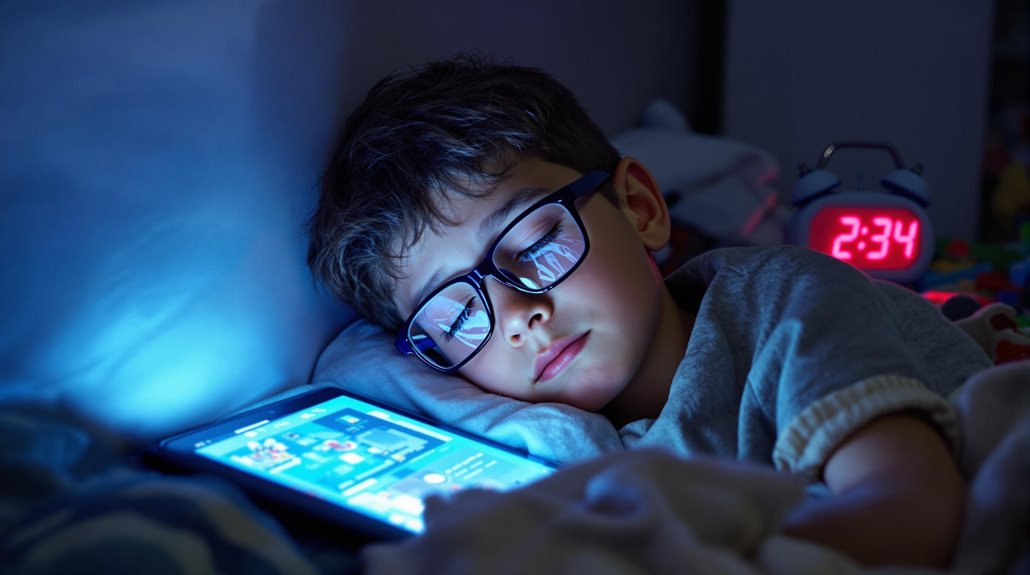
The rise in digital device usage among children has led to serious concerns about their sleep quality and duration. If your child uses tablets, smartphones, or computers before bedtime, you're likely noticing problems with their sleep patterns. The blue light these devices emit interferes with your child's natural melatonin production, making falling asleep more challenging and disrupting their normal sleep cycle.
You'll find that excessive screen time doesn't just affect your child's ability to fall asleep - it impacts their entire night's rest. Children who spend time on digital devices close to bedtime often wake up more frequently throughout the night and get fewer total hours of sleep. These disrupted sleep patterns can trigger a cascade of behavioral issues during the day, including increased emotional outbursts and difficulty managing feelings.
To protect your child's sleep health, you'll need to establish clear boundaries around screen time, particularly in the evening hours. Consider implementing a "digital sunset" - a specific time when all devices are turned off, giving your child's body the chance to naturally prepare for sleep without the interference of artificial blue light.
Family Sleep Environment
Consistently maintaining a healthy family sleep environment plays an essential role in your child's sleep quality. When your household doesn't follow proper sleep practices, your child's ability to fall asleep and stay asleep throughout the night can be significantly compromised. Shared bedrooms with parents or siblings can create disruptions through noise, varying temperature preferences, and inconsistent lighting conditions.
Key issues that can harm your child's sleep environment include:
- Irregular bedtimes and wake times across family members
- Disruptive activities in shared bedroom spaces
- Poor temperature and light control in sleeping areas
You'll need to establish clear boundaries and routines to protect your child's sleep environment. This means creating designated quiet times, maintaining consistent bedtimes for all family members, and ensuring sleeping spaces remain dark and peaceful. If your child shares a bedroom, you'll want to coordinate schedules and establish ground rules that respect everyone's sleep needs. Remember that a well-organized family sleep environment doesn't just benefit your child – it promotes better sleep habits for the entire household.
Sleep and Immune Function
Beyond creating an ideal sleep environment, protecting your child's sleep schedule directly impacts their immune system's strength. When your children sleep less than recommended, they become more vulnerable to common illnesses like colds and flu. Research from leading pediatric institutions like Children's Hospital shows that inadequate sleep weakens the body's natural defense mechanisms against infections.
Your child's ability to fight off bacterial infections depends heavily on getting enough rest each night. During sleep, their body produces essential immune responses, including fever, which helps combat various pathogens. When children don't get sufficient sleep, this critical process becomes compromised, making it harder for their bodies to clear infections effectively.
If you notice your child frequently getting sick, their sleep habits might be a contributing factor. A weakened immune system from chronic sleep deprivation can create a cycle where your child's body struggles to mount an appropriate response to illnesses. By ensuring your child maintains consistent, adequate sleep patterns, you're helping to build and maintain a sturdy immune system that can effectively protect them from various infections and diseases.