
Helping Parents Understand Their Children’s Sleep Problems
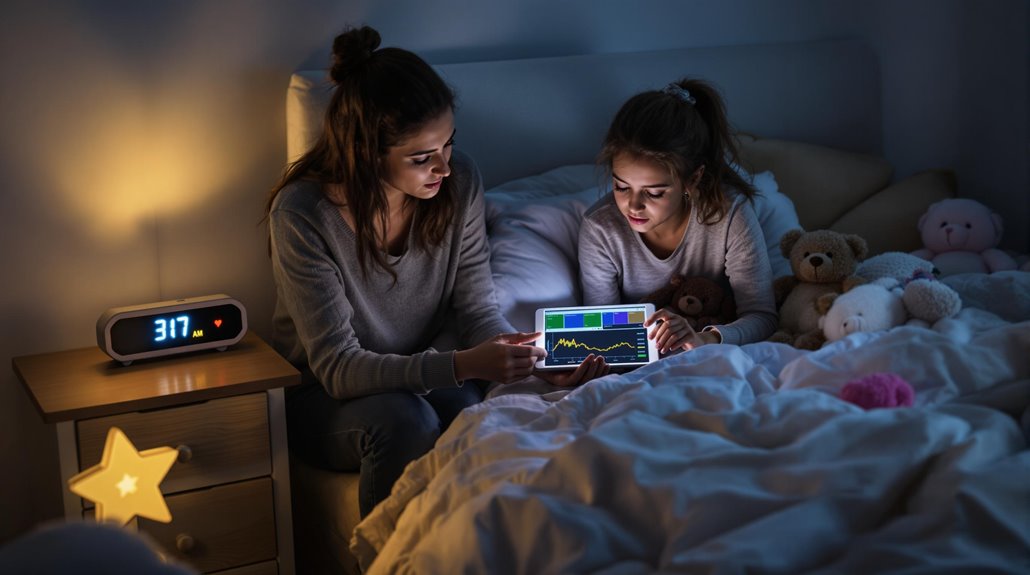
Understanding your child's sleep problems starts with recognizing common issues like sleep apnea, night terrors, or bedtime resistance. Watch for warning signs of sleep deprivation, including irritability, trouble focusing, and changes in behavior. You'll want to establish a consistent bedtime routine with calming activities and minimize screen time before bed. Sleep training can help build independent sleep skills through gradual techniques and positive reinforcement. If sleep issues persist or you notice signs of sleep apnea, don't hesitate to consult a medical professional. The path to better sleep for your child begins with identifying the underlying causes and implementing targeted solutions.
Common Sleep Problems in Children
A good night's sleep is crucial for your child's development, but many children struggle with various sleep issues that can impact their daily functioning. When your child isn't getting enough sleep, you might notice signs like daytime fatigue, mood swings, difficulty concentrating, or behaviors that resemble ADHD symptoms.
Common sleep disorders in children include sleep apnea, which disrupts breathing during sleep, and parasomnias like sleepwalking and night terrors. Many children also experience behavioral sleep problems, particularly around bedtime resistance and frequent night wakings. These issues often stem from your child's reliance on specific sleep-onset associations, such as needing you present or requiring feeding to fall asleep.
A substantial number of children also deal with delayed sleep-wake phase disorder, where their natural sleep routine doesn't align with typical bedtime hours. To address these sleep problems, you'll need to focus on proper sleep hygiene and consistent sleep training methods. Behavioral interventions, like graduated extinction or establishing positive bedtime routines, can greatly improve your child's sleep patterns. In some cases, professional guidance might be necessary to develop an effective sleep intervention plan.
Sleep Deprivation Warning Signs
Recognizing sleep deprivation in your child starts with understanding the warning signs. If you notice changes in your child's sleep patterns or behavior, it's essential to address these sleep issues promptly. Watch for signs of daytime fatigue, such as difficulty waking up in the morning, falling asleep during daily activities, or struggling to stay focused at school.
Sleep deprivation can profoundly impact your child's cognitive functioning and emotional well-being. You might notice problems with emotion regulation, including increased irritability, mood swings, or behavioral issues that resemble ADHD symptoms. Your child may also show decreased academic performance, memory problems, or difficulty completing routine tasks.
To identify sleep problems early, consider keeping a sleep diary to track your child's sleep patterns. You can also use actigraph monitoring devices to gather more detailed information about their sleep-wake cycles. If you notice these warning signs, it's important to screen for underlying conditions like anxiety or ADHD, as they often contribute to sleep issues. Remember that chronic sleep deprivation can weaken your child's immune system and increase their risk of accidents and risky behaviors.
Creating Effective Bedtime Routines
Establishing an effective bedtime routine stands as the cornerstone of healthy sleep habits for your child. When you create consistent parent-child interactions during this vital time, you're helping develop positive sleep-onset associations that will benefit your child's long-term sleep hygiene.
Start by setting a consistent sleep schedule that you'll maintain even on weekends. About an hour before bedtime, begin implementing relaxation techniques that signal it's time to wind down. You'll want to turn off all screens, as they emit blue light that disrupts your child's natural sleep-wake cycle. Instead, engage in calming activities like reading a bedtime story or practicing gentle stretching exercises together.
Pay careful attention to your child's sleep environment. Keep their bedroom cool, dark, and quiet to promote quality rest. You can use blackout curtains, white noise machines, or soft nightlights as needed. Remember that your bedtime routine shouldn't be lengthy – aim for 20-30 minutes of structured, calming activities. When you maintain these practices consistently, you're helping your child develop healthy sleep patterns that can last a lifetime.
Sleep Training Best Practices
While consistent bedtime routines lay the foundation, effective sleep training enables your child to develop independent sleep skills. Start by establishing a consistent sleep schedule that includes a calming routine before they go to bed. This helps your child's body recognize when it's time to wind down and fall asleep.
Implement gradual techniques to build confidence in your child's ability to sleep independently. You can start by sitting near their bed and slowly moving farther away over time. When sleep challenges arise, minimize your involvement during nighttime wakings to encourage self-soothing skills that help them return to sleep on their own.
Create a positive reinforcement system to celebrate your child's progress in developing healthy sleep habits. Consider using a sleep diary to track improvements and adjust strategies as needed. Teaching age-appropriate relaxation techniques and proper sleep hygiene can tremendously impact their ability to fall asleep independently. If persistent issues arise, cognitive behavioral therapy for insomnia offers structured approaches to address specific sleep problems. Remember, consistency is key - stick to your chosen method and give your child time to adapt to the new sleep training routine.
When to Seek Medical Help
Despite your best efforts with sleep training and routines, some sleep problems require professional medical attention. If your child's sleep issues persist after implementing behavioral changes or they're experiencing significant daytime impairment, it's time to seek medical help. The American Academy of Sleep Medicine recommends consulting a specialist when sleep problems interfere with daily functioning or are accompanied by other health concerns.
You should schedule an extensive evaluation if you notice potential signs of obstructive sleep apnea or if your child exhibits persistent sleep difficulties alongside other mental health symptoms. A sleep specialist can conduct home sleep studies to diagnose specific conditions and develop a personalized treatment plan. They'll also evaluate whether underlying medical conditions like asthma or medication side effects might be affecting your child's sleep quality.
For children and teens, it's particularly important to rule out any sensory processing difficulties or psychiatric conditions that could be disrupting their sleep patterns. Remember that addressing these underlying issues often leads to improved sleep outcomes, so don't hesitate to consult healthcare providers who can properly assess and treat your child's specific sleep challenges.
Treatment Options and Solutions
Parents have multiple evidence-based treatment options for addressing their children's sleep problems. Cognitive-behavioral therapy can help children overcome sleep challenges by targeting the thoughts and behaviors that interfere with falling asleep. Working with a therapist, you'll learn techniques to help your child develop healthier sleep patterns and manage anxiety around bedtime.
Good sleep hygiene forms the foundation for helping children get a good night's sleep. You'll want to establish consistent bedtime routines, limit screen time before bed, and create a quiet, comfortable sleeping environment. If your child struggles to fall asleep or return to sleep after waking, gradual sleep training methods can be particularly effective.
For children with disrupted sleep-wake cycles, your pediatrician might recommend short-term melatonin supplementation. However, it's pivotal to first rule out or treat any underlying medical conditions that could be preventing your child from getting enough sleep. Common sleep problems like sleep apnea or restless leg syndrome require specific medical interventions. Remember that combining multiple approaches - from behavioral strategies to environmental adjustments - often yields the best results in helping your child achieve consistent, restorative sleep.