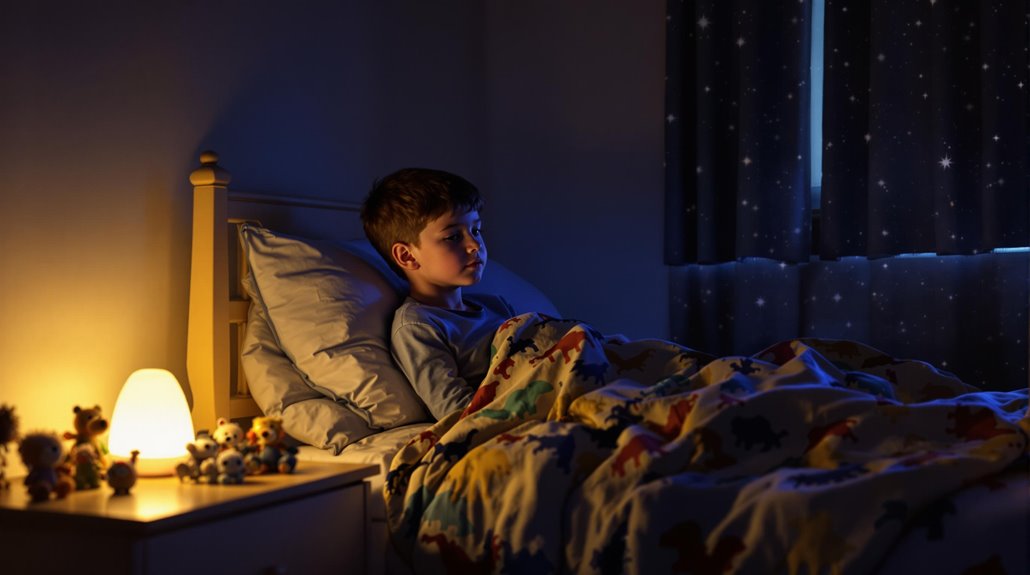
Five Common Sleep Phenomena and What They Mean

Five common sleep phenomena can drastically impact your nightly rest. Insomnia makes it tough to fall or stay asleep, affecting up to half of all adults. Sleep apnea causes dangerous breathing interruptions that you'll need a CPAP machine to treat. Restless leg syndrome creates an overwhelming urge to move your legs at night, while narcolepsy disrupts your daily rhythm with excessive sleepiness. Parasomnias like sleepwalking and sleep talking round out these common issues. Understanding these phenomena is your first step to better sleep, and there's much more to learn about improving your nightly habits.
Understanding Sleep Disorders Today
A restless night's sleep can signal more than just a bad day ahead - it might indicate one of over 80 recognized sleep disorders affecting millions worldwide. These conditions can pivotal impact your sleep quality, sleep quantity, and sleep timing, leading to chronic sleep deprivation and serious health consequences.
You're not alone if you're struggling with sleep issues. Insomnia, the most prevalent sleep disorder, affects up to half of all adults, making it difficult to fall asleep or stay asleep at least three nights weekly. Sleep apnea, another common condition, impacts over 20 million Americans, potentially leading to cardiovascular complications if left untreated. You might also experience restless leg syndrome, which creates an overwhelming urge to move your legs at night, affecting up to 15% of the population.
The field of sleep medicine continues to evolve in understanding and treating these disorders, including less common conditions like narcolepsy, which affects roughly one in 2,000 people. If you're experiencing persistent sleep issues, it's essential to recognize that these aren't merely inconveniences - they're legitimate medical conditions requiring proper diagnosis and treatment.
The Science Behind Sleep Disruption
During normal sleep, your brain cycles through distinct stages that regulate essential bodily functions. When these cycles are disrupted, you can experience various sleep disorders that impact your overall health and daily functioning.
Understanding the science behind sleep disruption reveals how different conditions affect your sleep quality. With insomnia, you'll struggle to fall or stay asleep, often due to underlying medical or psychological issues. If you have sleep apnea, your breathing repeatedly stops and starts, which can lead to serious cardiovascular problems. Narcolepsy occurs when your brain lacks hypocretin, causing excessive daytime sleepiness and disrupting your circadian rhythm.
Your brain's dopamine levels play a pivotal role in restless leg syndrome, causing uncomfortable sensations that can keep you awake at night. Parasomnias, including sleepwalking and sleep talking, may indicate deeper sleep issues that need attention. To maintain proper sleep hygiene, you'll need to address these disruptions early. Each disorder affects your sleep architecture differently, but they all share one common thread: they interfere with your body's natural sleep-wake patterns and can substantially impact your health if left untreated.
Common Sleep Pattern Changes

Sleep patterns naturally evolve throughout your life, often manifesting in specific changes that can affect your daily routine. Understanding common sleep disorders can help you identify when it's time to consult a sleep specialist.
If you're experiencing insomnia, you're not alone - up to two-thirds of adults struggle with this condition periodically. You'll want to improve your sleep hygiene if you're having trouble falling or staying asleep for three or more nights weekly. Sleep apnea, affecting millions of Americans, requires attention as it can lead to serious cardiovascular issues. You might need a sleep study if you're experiencing repeated breathing interruptions during rest.
Watch for signs of narcolepsy, which causes excessive daytime sleepiness, or restless legs syndrome, which creates an overwhelming urge to move your legs at night. If you're noticing unusual behaviors like sleepwalking or sleep talking (parasomnias), these are more common in children but can persist into adulthood. Don't hesitate to seek professional help if these changes affect your sleep quality - most sleep disorders are manageable with proper diagnosis and treatment.
Recognizing Warning Signs
Warning signs of sleep disorders often manifest through distinct physical and behavioral changes you shouldn't ignore. If you're experiencing persistent insomnia that keeps you awake for extended periods, it might indicate underlying health conditions like anxiety or depression that require medical attention.
Pay attention if you're experiencing frequent breathing interruptions during sleep, as this could signal sleep apnea, which can lead to serious cardiovascular problems if left untreated. You'll want to watch for excessive daytime sleepiness combined with sudden muscle weakness, as these are classic signs of narcolepsy, particularly if you're young.
If you're feeling an uncontrollable urge to move your legs, especially at night, you might be dealing with restless leg syndrome, which can greatly impact your sleep quality. Additionally, unusual behaviors like sleepwalking or sleep talking, known as parasomnias, shouldn't be dismissed as mere quirks. These sleep problems could indicate deeper sleep disruption or underlying health conditions that need evaluation. When you notice any of these warning signs persisting for more than a few weeks, it's essential to consult a healthcare provider for proper diagnosis and treatment.
Treatment Options That Work
Effective treatments for sleep disorders have emerged through decades of clinical research and practice. If you're struggling with insomnia, cognitive-behavioral therapy has proven remarkably successful, helping 70-80% of patients improve their sleep quality and duration. This approach stands out as a leading insomnia treatment option.
For those with obstructive sleep apnea, CPAP therapy remains the most reliable solution. By using continuous positive airway pressure, you'll experience significant improvement, as this treatment reduces breathing disturbances by 80-90%. When your circadian rhythms are disrupted, whether from jet lag or other sleep phase disorders, you can benefit from a combination of melatonin supplements and bright light therapy to reset your internal clock.
If you're dealing with restless leg syndrome, dopamine agonists effectively target the root cause by addressing dopamine imbalances in your body. For parasomnias like nightmares and sleep terrors, imagery rehearsal therapy has shown impressive results in reducing both frequency and severity. These treatment options demonstrate that regardless of your sleep disorder, there's likely an evidence-based solution available to help you achieve better rest.
Sleep Hygiene Best Practices
Your bedtime routine sets the foundation for quality sleep and overall well-being. To improve sleep and maintain proper sleep hygiene, you'll need to establish consistent habits that align with your body clock. Start by going to bed and waking up at the same time every day, even on weekends, to regulate your natural sleep and wake cycle.
Create an environment that promotes a good night's rest by keeping your bedroom cool, dark, and quiet. You'll want to avoid screens at least an hour before bedtime, as blue light can interfere with your ability to fall asleep. Consider lifestyle changes such as limiting caffeine after 2 PM and avoiding heavy meals close to bedtime.
To guarantee regular sleep patterns, develop a relaxing pre-bed routine. This might include taking a warm bath, reading a book, or practicing gentle stretches. Pay attention to your bedroom setup - invest in a comfortable mattress and pillows that support healthy sleep. If you're struggling with quality of sleep, try keeping a sleep diary to identify patterns and triggers that may be disrupting your rest. Remember, small adjustments to your daily habits can lead to significant improvements in your sleep quality.
Next Steps For Better Sleep
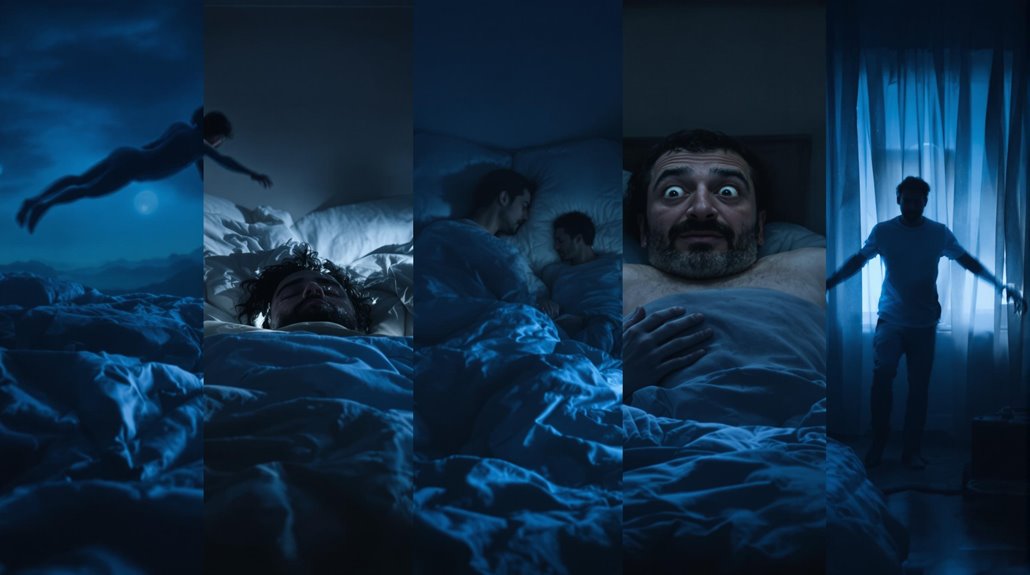
Taking actionable steps toward better sleep starts with implementing proven strategies alongside your existing sleep hygiene practices. You'll need to maintain a consistent sleep schedule and go to bed at the same time daily to regulate your body's internal clock. A sleep diary can help you track patterns and identify issues affecting your quality of life, which you can discuss with your primary care provider.
- Visualize yourself creating a calming bedtime routine, perhaps lighting lavender-scented candles while practicing gentle stretches
- Envision your ideal sleep environment: a cool, dark room with blackout curtains gently swaying in the breeze
- Imagine placing all electronic devices in another room, removing the temptation of late-night scrolling
- Visualize yourself practicing deep breathing exercises as you lie in bed, feeling tension leave your body
- See yourself waking up naturally, feeling refreshed and energized
Good sleep hygiene combined with cognitive behavioral therapy can alter your relationship with sleep. If you're not getting enough sleep despite these changes, don't hesitate to seek professional help. Remember, investing time in developing proper sleep habits is vital for your overall well-being.