
Does Sleep Deprivation Delay Wound Healing? The Surprising Truth
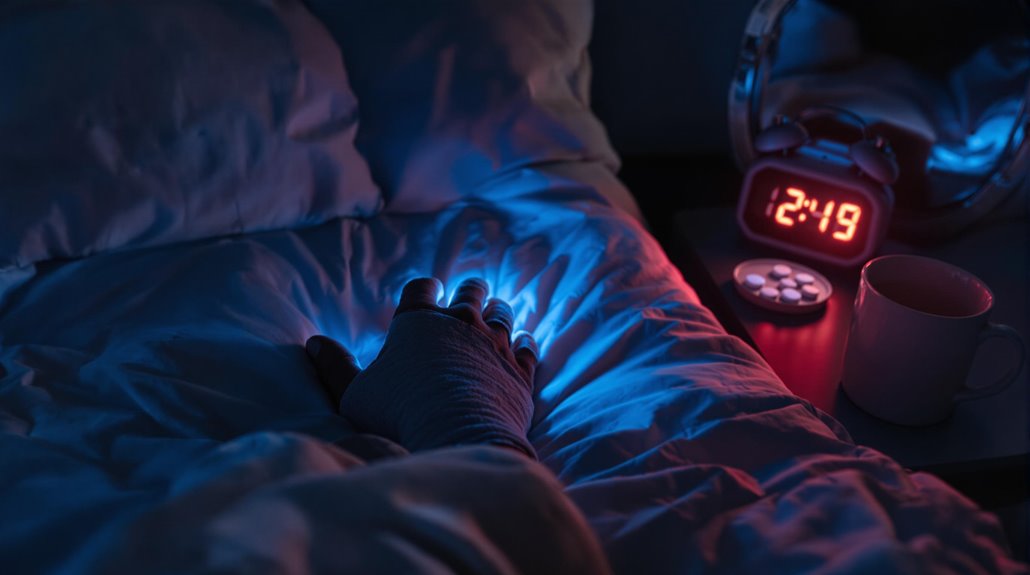
Yes, sleep deprivation profoundly delays wound healing. Research shows that well-rested individuals heal wounds in about 4.2 days, while sleep-deprived people take 5 days or longer. When you're not getting enough sleep (less than 5 hours nightly), your body can't properly produce growth hormones needed for cellular repair, and your immune system becomes compromised. You'll also experience increased inflammation and decreased tissue regeneration. Even nutritional supplements can't make up for the negative effects of poor sleep on healing. Understanding the deeper connection between sleep and your body's natural healing mechanisms can alter your recovery process.
The Sleep-Healing Connection
When it comes to healing wounds, your sleep habits may matter more than you think. Research has revealed a powerful connection between sleep and your body's natural healing process, with studies showing that sleep deprivation can substantially slow down wound recovery. If you're getting insufficient sleep, you might be adding nearly an extra day to your healing time compared to those who maintain healthy sleep patterns.
The evidence is clear: while well-rested individuals typically heal wounds in about 4.2 days, those who are sleep-deprived take approximately 5 days to achieve the same level of healing. What's particularly remarkable is that you can't simply compensate for poor sleep with nutritional supplements. Studies have demonstrated that even when sleep-deprived participants received supplemental nutrition, their healing times didn't improve.
Your immune system and tissue repair mechanisms rely heavily on quality sleep to function effectively. If you're trying to recover from an injury or wound, you'll want to prioritize getting adequate sleep. The research suggests that no amount of nutritional intervention can fully counteract the negative effects that sleep deprivation has on your body's healing process.
Understanding Sleep Deprivation
Now that you comprehend how sleep affects healing, let's examine what happens when you don't get sufficient rest. Sleep deprivation, which occurs when you sleep less than 5 hours nightly, triggers a cascade of negative effects throughout your body. Without enough sleep, you'll likely gain up to 2 pounds per week, as your brain struggles to regulate food choices and cravings for unhealthy, calorie-dense foods increase dramatically.
Your body's natural repair mechanisms also suffer considerably when you're sleep-deprived. Your production of human growth hormone decreases, which slows down cellular repair and accelerates aging. This disruption affects everything from skin regeneration to muscle recovery, making it harder for your body to heal wounds and maintain healthy tissues.
Perhaps most alarming is how sleep deprivation impacts your safety. When you're not getting enough sleep, your reaction time and decision-making abilities become severely impaired – similar to being drunk. This dramatically increases your risk of accidents and injuries, creating a dangerous cycle where your body needs more healing but is less capable of doing so.
Sleep's Impact on Recovery

Quality sleep powers up your body's natural healing mechanisms, acting as a foundation for successful recovery. When you're well-rested, your immune system functions ideally, promoting tissue regeneration and ensuring proper nutrient delivery to wounded areas. Sleep helps your body maintain the delicate balance needed for effective wound healing, supporting cellular repair and growth.
During restorative sleep, your body efficiently regulates metabolism and appetite, preventing unhealthy food cravings that could potentially slow down your recovery process. Your brain also consolidates memories and enhances problem-solving abilities, which are essential for following treatment plans and maintaining proper wound care routines.
Additionally, quality sleep strengthens your cardiovascular system, improving blood circulation throughout your body. This enhanced circulation ensures that necessary nutrients and healing cells reach the wound site effectively. When you're sleep-deprived, these pivotal processes become compromised, potentially extending your recovery time. By prioritizing adequate, uninterrupted sleep, you're giving your body the best chance to heal efficiently and return to ideal health. Remember that consistent, quality rest isn't just a luxury – it's a fundamental component of your body's healing process.
Scientific Evidence and Research
Recent scientific studies have validated sleep's powerful role in wound healing. A pioneering study comparing well-rested and sleep-deprived volunteers revealed striking differences in recovery times. The research found that participants who got normal sleep healed their skin wounds in just 4.2 days, while those limited to two hours of sleep per night took nearly a full day longer, healing in 5 days.
What's particularly remarkable is that even nutritional supplements couldn't compensate for the negative effects of sleep loss. This suggests that your immune system's ability to repair wounds depends heavily on getting adequate rest, regardless of other interventions. While previous research showed mixed results, this study helps clarify sleep's direct impact on healing.
The findings align with what scientists already know about sleep's essential role in supporting your immune system. However, you should note that individual healing times can vary dramatically, which has made it challenging for researchers to detect subtle effects in earlier studies. While these results are promising, scientists still need to investigate how different combinations of sleep and nutrition might optimize your body's natural healing processes.
Cellular Repair During Rest

During your body's nightly rest cycle, cellular repair and tissue regeneration kick into high gear, particularly during the deeper stages of sleep. When you get enough rest, your body maximizes its healing potential during stages 3 and 4 of sleep, where cell growth and proliferation are most active. This is when your immune system operates at peak efficiency, directing resources to repair damaged tissues and accelerate wound healing.
Sleep is important because it creates ideal conditions for your body's natural healing processes. During uninterrupted rest, your circulation improves, ensuring that essential nutrients reach wound sites more effectively. Your immune system strengthens, fighting off potential infections while supporting the creation of healthy new tissue. Without adequate sleep, these crucial processes become compromised, leading to delayed healing and potentially slower recovery times.
Additionally, proper rest helps regulate your metabolism and appetite. When you're sleep-deprived, you're more likely to experience unhealthy food cravings, which can negatively impact your body's healing abilities. By maintaining consistent, quality sleep patterns, you're giving your body the best chance to repair and regenerate effectively.
Risk Factors and Complications
While proper sleep supports healing, its absence creates a cascade of health risks that can severely impact recovery. When you're sleep deprived, your body struggles to maintain its natural healing processes, leaving you at a higher risk for complications during recovery from wounds or injuries.
Your immune system becomes compromised when you don't get enough rest, making it harder for your body to fight off infections that could delay healing. Additionally, sleep deprivation affects your body's production of human growth hormone, which plays an essential role in tissue repair, muscle development, and bone density maintenance.
The risks extend beyond just physical healing. When you're sleep deprived, you're more likely to make poor dietary choices, often craving high-calorie foods that can lead to weight gain and further complicate your recovery process. The impaired judgment that comes with lack of sleep also increases your chances of accidents and injuries, creating a dangerous cycle that can compound existing health issues. If you're already healing from a wound, these additional risks can markedly extend your recovery time and potentially lead to more serious complications.
Sleep Quality Vs Wound Care
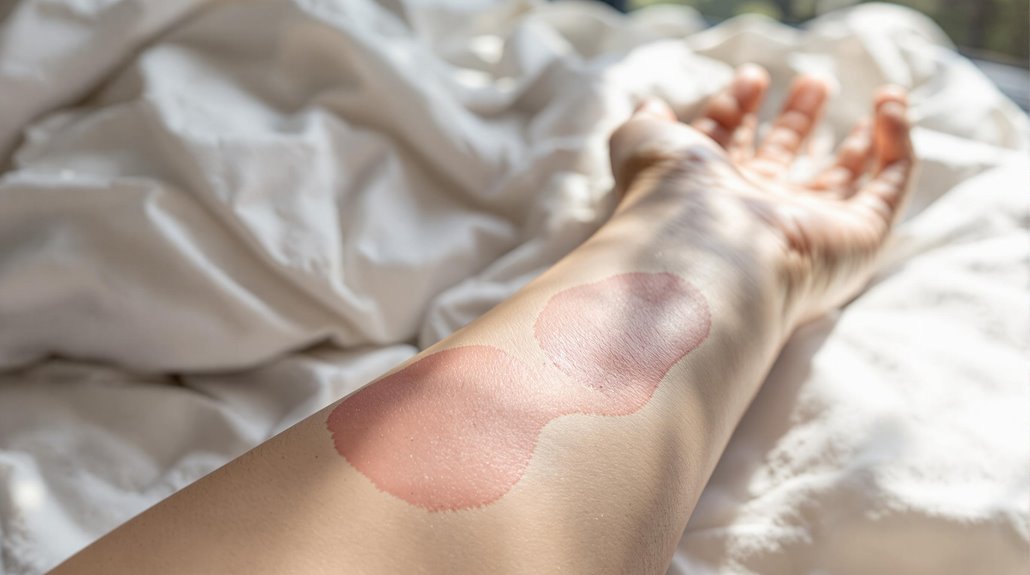
Sleep quality and wound care share an equally pivotal role in the healing process. While you might focus primarily on keeping your wound clean and properly dressed, the amount and quality of sleep you're getting could be just as important for your recovery. Research shows that poor sleep can drastically slow down your body's natural healing mechanisms, even if you're following proper wound care protocols.
When you're sleep-deprived, your immune system can't function at its best, which directly impacts how quickly and effectively your wounds heal. Your body needs uninterrupted rest to facilitate tissue growth and deliver essential nutrients to the wound site. You'll find that maintaining consistent sleep patterns is just as indispensable as changing bandages or applying medication.
If you're struggling with wound healing, don't overlook your sleep habits. You need to prioritize both sleep quality and wound care for perfect results. Consider addressing any sleep issues you're experiencing, such as insomnia or irregular sleep schedules, alongside your wound treatment plan. By giving equal attention to both aspects, you'll create the best possible conditions for your body to heal efficiently.
Diabetes and Sleep Effects
Understanding how diabetes complicates wound healing becomes even more significant when you factor in sleep quality. Research shows that lack of sleep can substantially impair healing in diabetic individuals, as demonstrated in studies where diabetic mice with disrupted sleep patterns needed 13 days to achieve 50% wound healing compared to 10 days for those with regular sleep.
The impact of this relationship becomes particularly concerning when you consider that diabetes already doubles medical expenditures compared to non-diabetic individuals. In 2012, diabetes-related costs in the U.S. exceeded $240 billion, with $70 billion attributed to reduced productivity. What's more alarming is that over 80 million U.S. adults have prediabetes, and most don't know it.
When you compare these findings to normal-weight mice, which achieved 50% healing in less than a week and complete healing in two weeks, you'll see the dramatic difference diabetes creates in wound recovery. If you're diabetic, maintaining good sleep habits isn't just about feeling rested - it's an essential factor in your body's ability to heal and recover effectively.
Immune System Response
Three key immune responses suffer when you don't get enough sleep, directly impacting your body's ability to heal wounds. First, your immune cells become less effective at reaching and repairing damaged tissue. Second, your body produces fewer cytokines, the vital signaling molecules that coordinate your immune system's response to injury. Third, the overall strength of your immune system diminishes, making you more susceptible to infections at the wound site.
The effects of sleep deprivation on your immune system response are particularly concerning when you're trying to recover from an injury. When you're sleep-deprived, your body can't mount its normal defensive response, which typically involves sending specialized immune cells to the wound site and initiating the repair process. Research has shown that animals with poor sleep patterns experience slower wound closure and compromised immune cell activity around their injuries.
The good news is that you can reverse these negative effects by returning to healthy sleep patterns. When you restore proper sleep, your immune system bounces back, leading to more efficient wound healing and better overall recovery outcomes.
Optimizing Sleep for Healing
With clear evidence showing how sleep affects wound healing, you'll want to maximize your sleep quality to support recovery. Getting enough uninterrupted sleep helps wounds heal by activating tissue growth and repair during the vital third and fourth sleep stages. Your body's immune system strengthens during these deep sleep phases, accelerating the healing process while clearing out harmful toxins.
To optimize your sleep for healing, focus on maintaining consistent sleep hours and creating a restful environment. When you sleep well, your heart function and circulation improve, delivering essential nutrients to your wound site more efficiently. You'll also find it easier to maintain a healthy diet since quality sleep regulates your appetite and reduces unhealthy food cravings that could potentially slow down healing.
Remember that sleep deprivation can considerably impair your body's ability to create new tissue and fight off infections. By prioritizing 7-9 hours of quality sleep each night, you're giving your body the best conditions it needs to repair damaged tissue, consolidate healing-related memories, and maintain the strong immune response necessary for proper wound recovery.
Athletes and Recovery Time
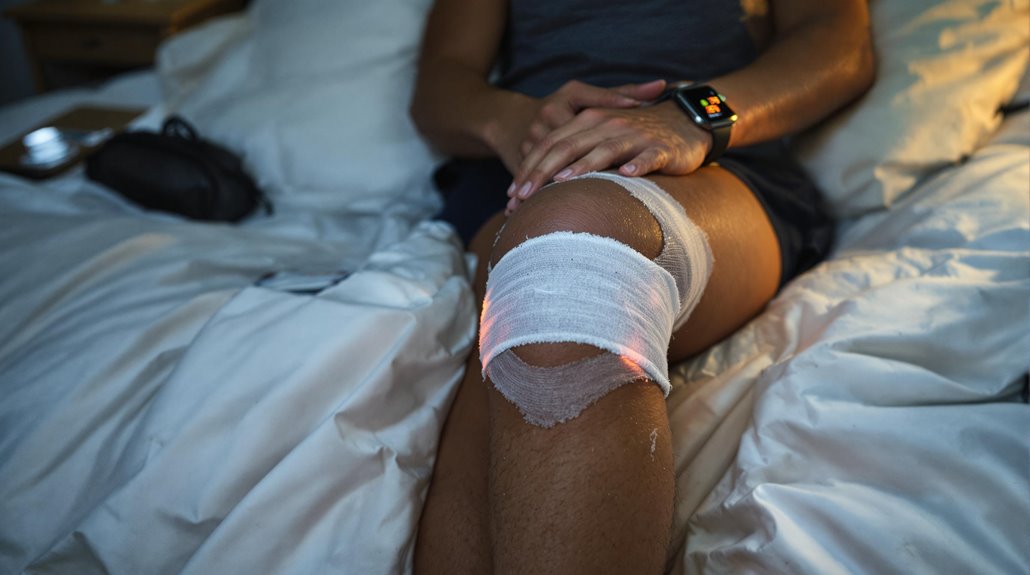
During intense training and competition seasons, athletes face a considerably higher risk of injury when they don't get adequate sleep. Research suggests that sleep-deprived athletes are 70% more likely to experience work-related injuries, which can include anything from muscle strains to nerve damage.
When you're not getting enough sleep, your body can't effectively maintain muscle mass, strength, or bone health. This is particularly concerning for teenage athletes who need proper rest for both performance and development. The deep, slow-wave sleep phase is when your body conducts essential cell repair and rejuvenation - processes that are indispensable for healing injuries and maintaining peak physical condition.
What's more, lack of sleep impairs your decision-making abilities regarding nutrition and training intensity. You're more likely to make poor choices about your workout routine or diet when you're exhausted, which can further compromise your recovery process. If you're an athlete dealing with an injury, it's paramount to prioritize sleep as part of your recovery strategy. The connection between sleep deprivation and delayed healing is clear - without proper rest, you're not just risking new injuries but also extending your recovery time from existing ones.
Clinical Treatment Approaches
Medical professionals employ a thorough approach when addressing sleep-deprived patients with healing wounds. A new study suggests that combining multiple treatment strategies yields better outcomes than focusing on sleep or wound care alone. Your healthcare professional will likely develop a personalized plan that addresses both your sleep issues and wound healing needs simultaneously.
To maximize your healing potential, medical teams typically focus on these key areas:
- Sleep quality enhancement through prescription medications when necessary, coupled with cognitive-behavioral therapy to address underlying sleep disorders
- Advanced wound care techniques, including specialized dressings and negative pressure therapy to accelerate healing
- Nutritional support and supplementation to bolster your immune system and promote cellular regeneration
- Management of underlying medical conditions that might impact both sleep and healing
You'll often work with multiple specialists as part of your treatment plan. This interdisciplinary approach provides you with comprehensive care that addresses all aspects of your recovery. Remember, while medications can help, they're just one part of the solution. Your healthcare professional will likely emphasize the importance of maintaining good sleep hygiene alongside any prescribed treatments.
Prevention and Management Strategies
A proactive approach to managing both sleep and wound care can greatly improve your healing outcomes. Start by establishing a consistent sleep schedule that allows you to get adequate hours a night. Minimize screen exposure before bedtime and create a relaxing environment that promotes quality rest.
Don't overlook the importance of addressing potential sleep disorders. If you suspect you have sleep apnea or other sleep-related issues, consult your healthcare provider for proper diagnosis and treatment. Incorporate stress-reduction techniques like meditation or deep breathing exercises into your daily routine, as these can considerably enhance your sleep quality.
Provide your body a nutritional lift by consuming foods rich in proteins, vitamins, and minerals. Even when you're experiencing sleep difficulties, proper nutrition can help maintain your body's healing capabilities. Consider working with a dietitian to develop a meal plan that supports wound recovery.
For the best results, partner with healthcare professionals to create an extensive strategy. They can help you balance both sleep management and wound care, ensuring you're taking the right steps to optimize your healing process while addressing any sleep-related challenges that might impede recovery.