DFW’s Top Sleep Clinics and Fatigue Solutions for Busy Families
Dallas–Fort Worth offers several accredited sleep centers with board-certified specialists providing clear, practical solutions for busy families navigating sleep disorders. You’ll find multidisciplinary care combining pulmonary, neurological, behavioral-sleep, and dental expertise across convenient locations from Dallas to Fort Worth.
Many centers accept major insurance providers and offer telehealth options, including at-home sleep apnea testing when appropriate. Discover how these accessible services can improve your family’s sleep quality and boost daytime energy levels.
Understanding Sleep Disorders Common in DFW Families
While juggling work, school, and activities, DFW families often overlook how sleep disorders shape daily life. The reality is significant—many Americans live with a sleep disorder, and about one-third of adults report insufficient sleep, so your family’s health may be at risk.
Insomnia and obstructive sleep apnea (OSA) dominate adult evaluations, while children commonly experience parasomnias that disrupt development. Sound sleep hygiene is essential; insomnia is more common in women, and older adults frequently report fragmented sleep.
Improving kids’ rest starts with age-appropriate targets (school-age children typically need 9–12 hours, teens 8–10). Left untreated, sleep problems can contribute to cardiometabolic risk, learning and behavior issues, and family stress. Sleep challenges may be more prevalent in underserved neighborhoods, underscoring the need for equitable access to care.
Top-Rated Sleep Centers Across Dallas–Fort Worth
View this post on Instagram
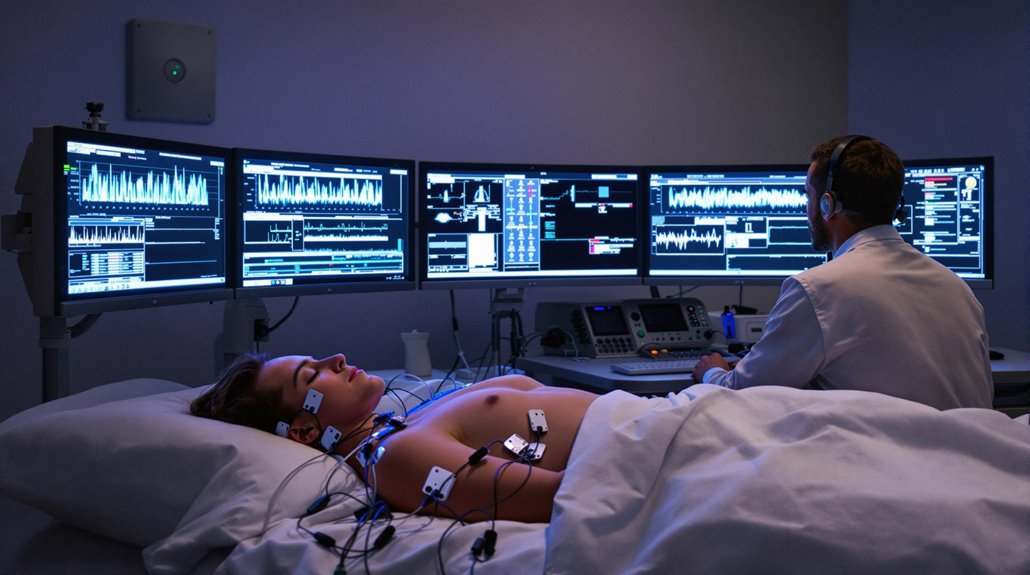
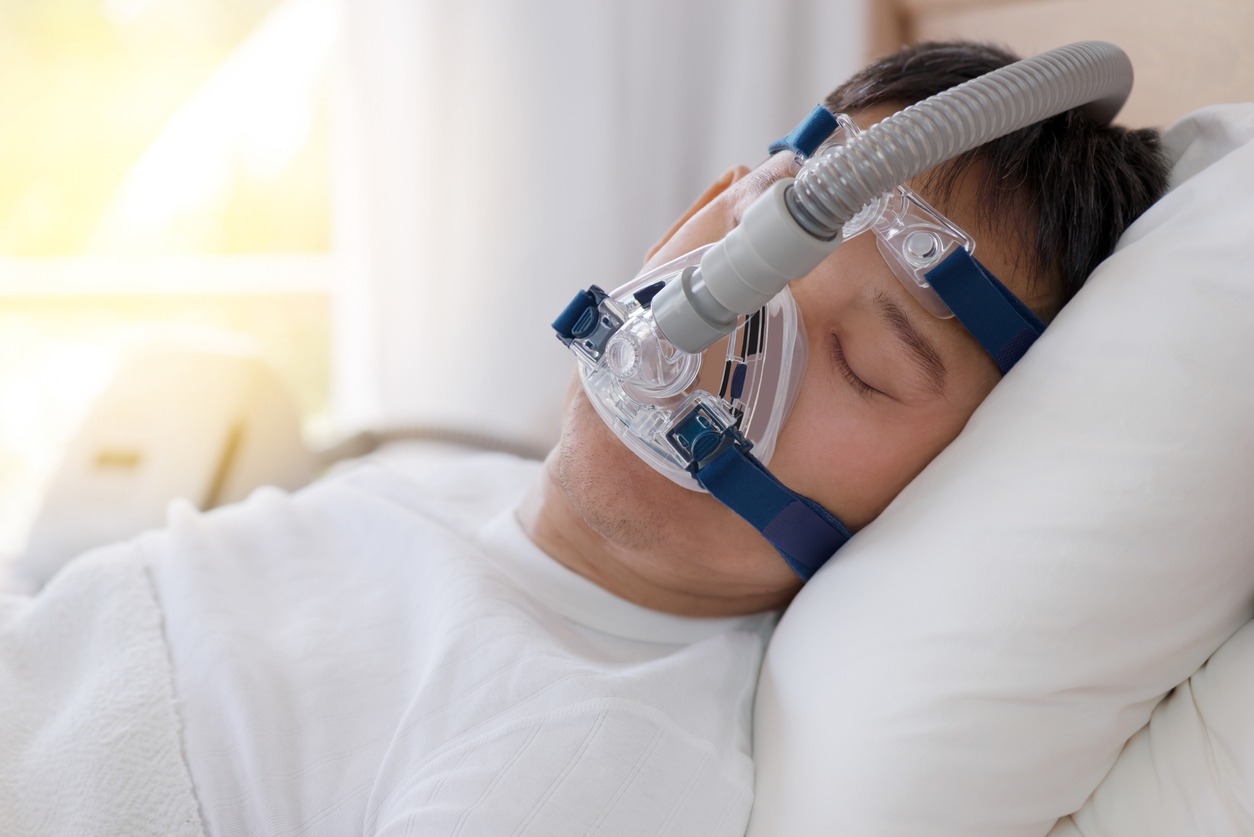
For families balancing packed schedules, telehealth streamlines care—reducing travel and improving follow-through via video visits, digital education, and remote data review. You can benefit from home sleep apnea testing (for appropriate candidates) that generates diagnostic data at a fraction of lab cost, and from connected PAP devices and wearables that share adherence metrics with your care team for timely adjustments. This model expands access for underserved communities and often improves treatment adherence and confidence—integrating specialty care into your family’s routine. The link between sleep quality and daytime functioning is direct: consolidated sleep supports attention, mood, glucose regulation, and memory. When you’re short on sleep, adenosine accumulation and disrupted circadian timing can drive persistent fatigue despite caffeine. Poor sleep quality tends to impair cognitive energy more than pure physical stamina, and consistent improvements in sleep continuity correlate with better next-day performance. Optimizing sleep is foundational to metabolic health, emotional balance, and daily capacity. Pair your new sleep routine with a restorative soak—this WorldSprings wellness guide covers mineral pools and stress-reducing amenities around Dallas–Fort Worth. For complex cases, a single-specialty approach can fall short. Advanced centers integrate sleep medicine, dentistry, ENT, cardiology, psychiatry/psychology, and pediatrics to address all dimensions of sleep health. This collaboration is particularly effective for pediatric sleep disorders, OSA with insomnia, or sleep-related breathing problems overlapping with TMJ or craniofacial factors. You benefit from coordinated plans that reflect your history, exam, testing, and preferences—reducing fragmented care and improving outcomes, especially if you’ve struggled with standard CPAP. Your first visit doesn’t have to feel daunting. For an overnight study, smart prep improves data quality: Avoid caffeine after midday, skip alcohol/cannabis, and wash your hair with shampoo only so sensors adhere well. Equipment is straightforward—techs place sensors to monitor brain waves, breathing, oxygen, and movement; you can still sleep in your preferred position. If you need the restroom, staff will disconnect and reconnect you quickly.Non-Invasive Treatment Options for Better Sleep
Insurance Coverage and Accessibility for Sleep Care
Telehealth Sleep Services: Virtual Solutions for Busy Lives
Connecting Sleep Quality to Daytime Energy and Performance
Multidisciplinary Approaches to Complex Sleep Issues
Navigating Your First Sleep Clinic Appointment