Day of the Sea in Bolivia: Honoring the Nation’s Maritime Heritage
Bolivia's Day of the Sea (Día del Mar) marks a meaningful historical loss, commemorated each March 23rd. You'll find this national holiday deeply rooted in the War of the Pacific (1879-1883), when Bolivia lost its Pacific coastline to Chile. During the celebrations, you'll witness military parades, naval ceremonies, and schoolchildren crafting messages to the United Nations. The day honors national hero Eduardo Abaroa, who died defending Bolivia's coastal territory in the Battle of Calama. Though landlocked today, Bolivia's maritime heritage lives on through passionate displays of patriotism and ongoing diplomatic efforts to regain Pacific access. The story behind this significant day holds many more intriguing layers to investigate.
Historical Origins of Día Del Mar
Loss of territory can shape a nation's identity for generations, and Bolivia's Día del Mar stands as a poignant example of this reality. The annual March 23rd commemoration traces its roots to one of the most significant events in Bolivia's history: the War of the Pacific in the late 19th century, which resulted in the country losing its cherished access to the Pacific Ocean.
During this devastating conflict, Chilean forces advanced into Bolivia's coastal territory, leading to a critical battle at the port of Calama. It's here that national hero Eduardo Abaroa made his legendary last stand, sacrificing his life in defense of Bolivian soil. The war's outcome permanently altered Bolivia's geography and economic prospects, as Chile annexed the resource-rich coastal regions containing essential nitrate and mineral deposits.
Today, Día del Mar serves as more than just a memorial - it's a powerful expression of Bolivia's enduring maritime claims. You'll find this sentiment reflected in the country's annual celebrations, where military parades, patriotic ceremonies, and the passionate singing of the Anthem of the Sea remind Bolivians of their historical connection to the Pacific.
The War of the Pacific
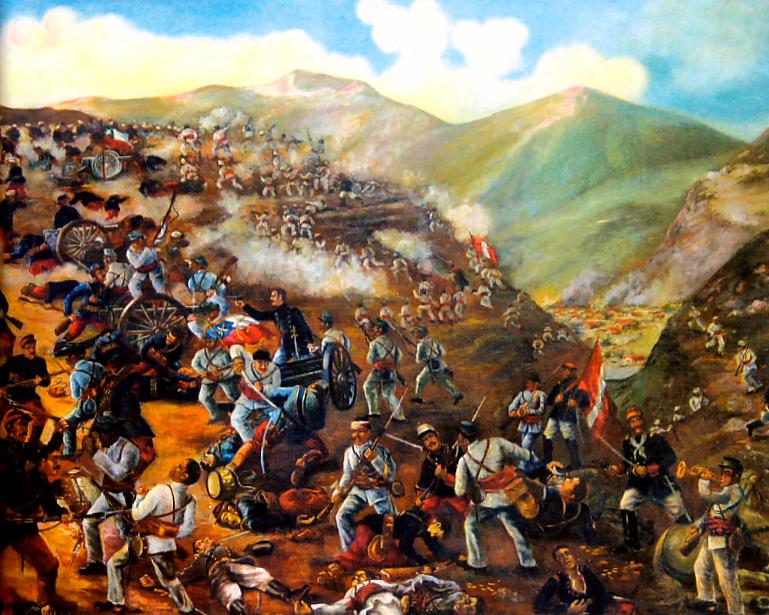
Three nations clashed in the War of the Pacific (1879-1883), a conflict that would permanently reshape South America's western coastline. At the heart of this conflict was a seemingly minor dispute over a 10-cent tax increase on a Chilean-British company operating in Bolivian territory. This small financial matter would prove catastrophic for Bolivia's future.
You'll find that Chile's invasion of Bolivia's coastal region of Antofagasta marked the beginning of Bolivia's maritime losses. With minimal military presence in the region, Bolivia couldn't defend its prized coastal cities of Mejillones and Caracoles effectively. The conflict's outcome would strip Bolivia of its entire 250-mile Pacific coastline, rich in coveted resources like saltpeter and guano.
The Battle of Calama, fought on March 23rd, symbolizes Bolivia's desperate attempt to maintain its maritime access. Today, you'll see Bolivians commemorate this date as the Day of the Sea, a poignant reminder of their lost ocean access. The War of the Pacific transformed Bolivia into a landlocked nation, a geographical constraint that continues to impact its economic development and national identity to this day.
Eduardo Abaroa's Heroic Legacy
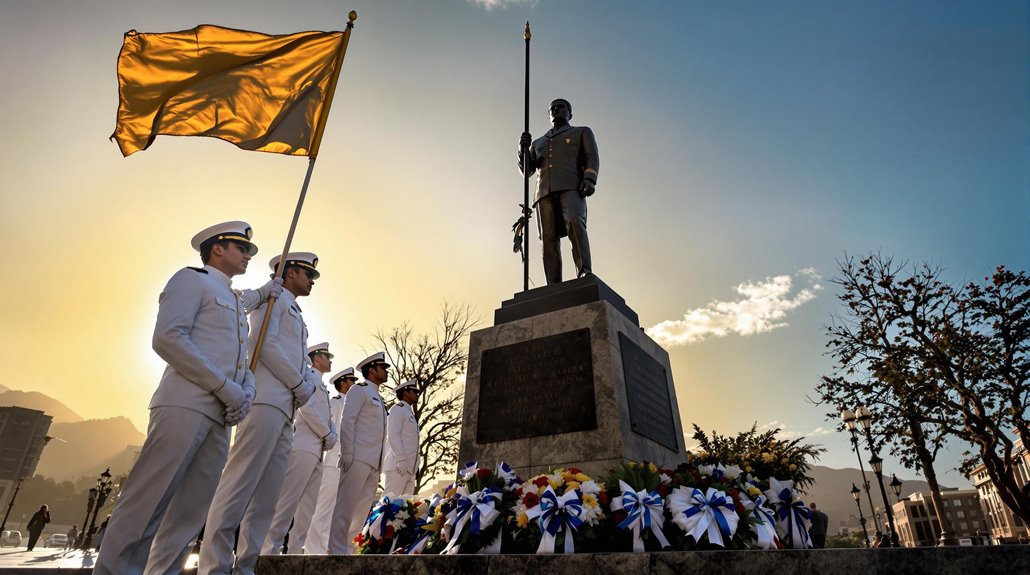
Among Bolivia's most revered national heroes, Eduardo Abaroa stands as a symbol of steadfast patriotism and sacrifice. You'll find his legacy deeply woven into the nation's identity, particularly through his valiant defense of Calama during the War of the Pacific in 1879. As war hero Eduardo Abaroa led Bolivian soldiers in their last stand against Chilean forces, he demonstrated extraordinary courage that would forever mark him in the country's history.
Each year, you can witness how Bolivians honor Abaroa's memory during the Day of the Sea celebrations. You'll see military parades, ceremonial displays, and hear the powerful Anthem of the Sea, which echoes the names of Bolivia's lost coastal territories. The Battle of Calama, where Abaroa made his ultimate sacrifice, remains a poignant reminder of the nation's determination to regain its Pacific access.
Today, Abaroa's descendants continue to share his story, ensuring that future generations understand the significance of his sacrifice. You'll find his heroic legacy serving as a rallying point for Bolivia's ongoing maritime aspirations, uniting the nation in its quest to reclaim its lost coastline.
Bolivia's Lost Pacific Coast
The devastating War of the Pacific forever changed Bolivia's geography and national identity when Chile seized its 250-mile Pacific coastline in the late 19th century. You'll find that this historic loss remodeled Bolivia into a landlocked nation, appreciably altering its economic prospects and maritime aspirations.
If you look at Bolivia's relationship with the sea today, you'll notice its ongoing struggle to regain access to the Pacific Ocean. The country's determination is evident in its legal battles at the International Court of Justice, though these efforts haven't yet succeeded in restoring its sovereign access to the sea. The loss continues to impact Bolivia's economy considerably - you'll see this reflected in higher transportation costs for both imports and exports, making it harder for the country to compete in global markets.
Yet, you'll witness how this maritime loss has become deeply woven into Bolivia's national consciousness. Each year on March 23rd, the Day of the Sea serves as a powerful reminder of what was lost and what many Bolivians still hope to reclaim, keeping the nation's maritime heritage and aspirations alive despite its landlocked status.
National Pride and Identity
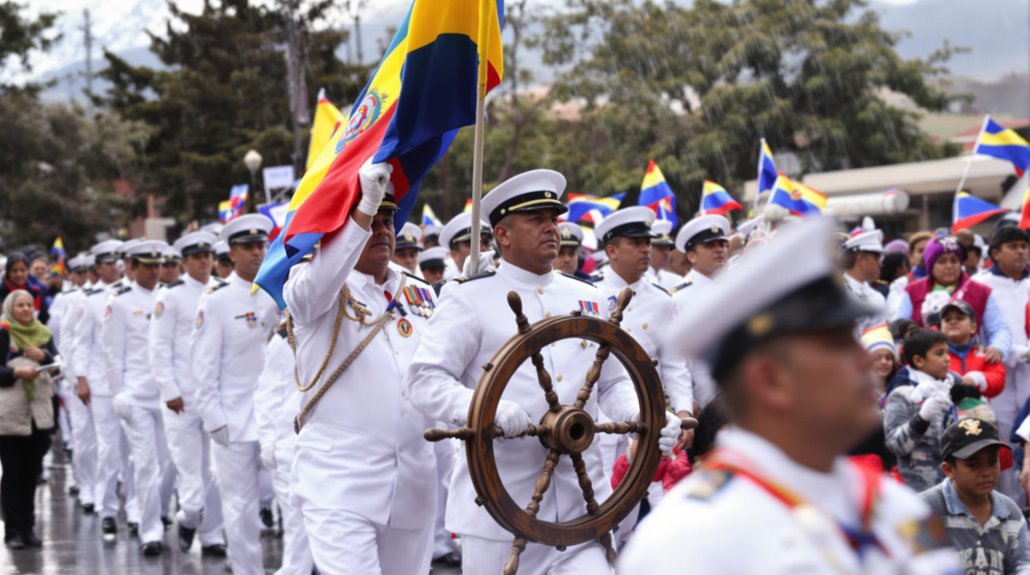
Every year on March 23rd, Día del Mar metamorphosizes Bolivia into a nation united in commemorating its lost coastal territory. During this Day of the Sea, you'll witness how the loss of Bolivia's Pacific coastline has become deeply woven into the fabric of national identity, as citizens gather to express their unwavering resolve to reclaim their maritime heritage.
You'll find the streets filled with powerful displays of national confidence, from military parades to passionate speeches that echo the country's commitment to regaining sovereign access to the sea. The Bolivian flag waves prominently throughout these celebrations, while the national anthem rings out across cities and towns, reinforcing the deep connection between Bolivia's maritime aspirations and its sense of self.
This annual observance serves as more than just a reminder of historical loss - it's a platform that unites Bolivians in their shared vision for the future. You'll observe how the holiday has become a cornerstone of Bolivian nationalism, keeping the maritime cause alive in the collective consciousness and strengthening the bonds of national unity through shared purpose and determination.
Modern Day Commemoration Practices
Modern commemoration of Bolivia's Day of the Sea blends traditional patriotic displays with powerful symbolic gestures. You'll find that March 23rd has become more than just a historical remembrance - it's a day when Bolivians actively express their ongoing desire for Pacific Ocean access through various meaningful activities.
- Schoolchildren participate by creating the "longest letter in the world" to the United Nations, showcasing Bolivia's persistent pursuit of international support
- The Bolivian navy leads ceremonial parades while citizens sing the national anthem of the sea, maintaining maritime traditions despite being landlocked
- Visitors to La Paz's maritime museum can investigate artifacts that document the nation's coastal heritage and its historical claims
These modern commemorative practices reflect Bolivia's continued diplomatic relations with neighboring countries while pursuing its maritime aspirations through the International Court of Justice. You'll witness how citizens express their patriotic fervor through symbolic demonstrations, including wearing plastic boats and participating in protest activities. The Day of the Sea serves as a powerful reminder of Bolivia's determination to regain sovereign access to the Pacific, uniting citizens in their shared maritime identity.
Naval Forces Without Sea
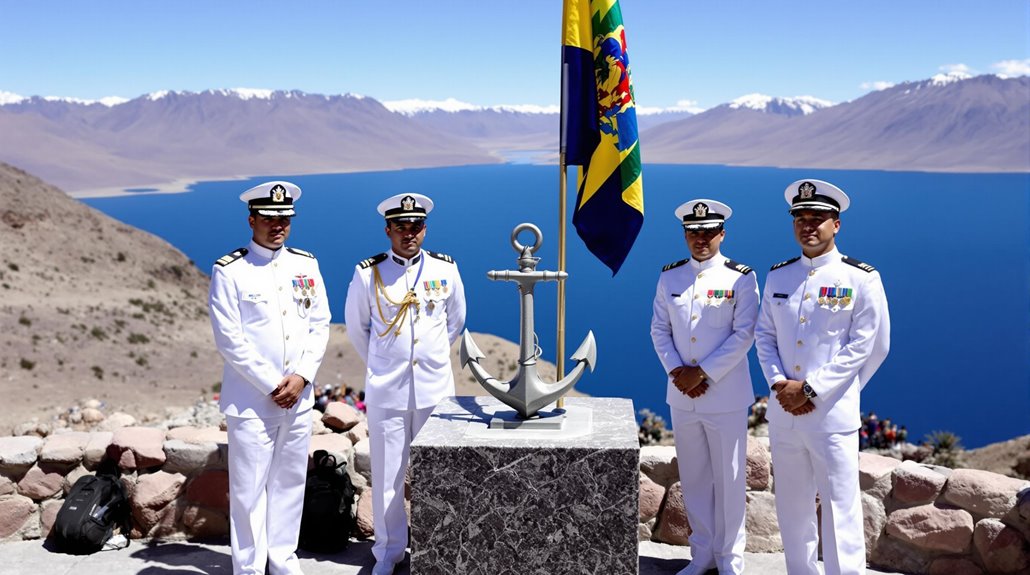
Maintaining a navy without direct ocean access might seem paradoxical, but Bolivia's naval forces serve as both a practical and symbolic institution. You'll find the Bolivian navy's headquarters situated on Lake Titicaca, the world's highest navigable lake, where they actively operate a fleet of vessels to protect and patrol these strategic waters.
What makes Bolivia's case unique is how they've altered their landlocked status into a testament of resilience. The navy doesn't just serve a ceremonial role; it's an active force that maintains the country's maritime aspirations and preserves its rich maritime history. You can investigate this heritage at the navy's dedicated museum, which chronicles Bolivia's past connection to the Pacific Ocean and its continued naval traditions.
During the annual Day of the Sea celebrations, you'll witness the navy's prominent role in commemorating the nation's lost coastline. Despite geographical constraints, Bolivia continues to invest in its naval forces, demonstrating that a navy's significance extends beyond ocean access. It's a powerful reminder of the country's determination to maintain its maritime identity and capabilities, even without direct sea access.
Economic Impact of Landlocked Status
Bolivia's landlocked condition extends far beyond its naval challenges, shaping the nation's economic terrain in significant ways. Since losing its access to the Pacific in the War of the Pacific, you'll find that Bolivia's economy has faced unique obstacles that continue to impact its advancement today.
The loss of direct access to the Pacific Ocean has created substantial economic challenges:
- You'll notice higher transportation costs for imports and exports, as goods must transit through neighboring countries, adding layers of complexity and expense to trade operations
- Bolivia's landlocked status limits its ability to develop certain industries, particularly those requiring direct maritime access, such as large-scale fishing or port-related services
- The country faces reduced negotiating power in international trade agreements, as it depends on relationships with coastal nations for sea access
These economic constraints have forced Bolivia to be creative with its trade solutions. You'll see how the country has developed alternative trade routes and strengthened regional partnerships to mitigate its landlocked status. Despite these adaptations, the economic impact of losing Pacific Ocean access continues to influence Bolivia's developmental path and international commerce capabilities.
Diplomatic Relations With Chile
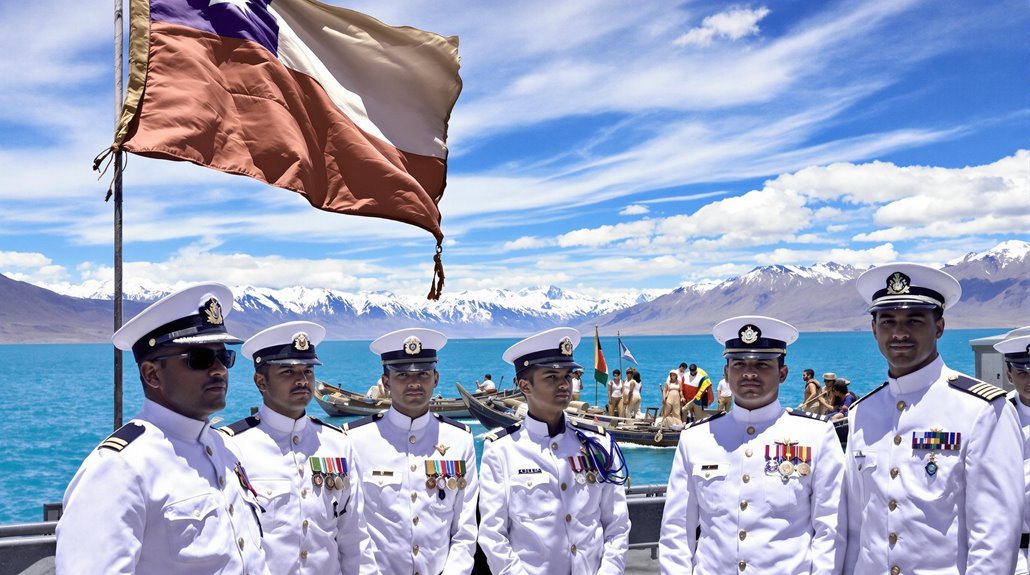
The diplomatic relationship between Bolivia and Chile stands as one of South America's most complex and contentious international situations. You'll find that these two nations haven't maintained formal diplomatic relations for more than two decades, primarily due to their ongoing dispute over Bolivia's lost access to the Pacific Ocean. The roots of this conflict trace back to the War of the Pacific, and its impact continues to shape their interactions today.
When you look at the current state of affairs, you'll notice how the tension manifests in various ways. Bolivian businesses frequently exclude Chilean companies from opportunities, reflecting the deep-seated animosity between the nations. The absence of diplomatic ties has created a significant barrier in addressing the maritime dispute, making meaningful negotiations virtually impossible.
You'll understand Bolivia's viewpoint when you consider how Chile's continued presence in their former coastal territory serves as a constant reminder of their historical loss. Bolivia's steadfast demand for sovereign access to the Pacific Ocean remains non-negotiable, making it difficult to find common ground between these neighboring nations.
Legal Battles for Maritime Access

Over the decades, Bolivia has stepped up its legal efforts to regain access to the Pacific Ocean through international courts and tribunals. You'll find that one of the most significant cases was Bolivia's filing against Chile at the International Court of Justice in The Hague in 2013. The country's legal team argued that Chile hadn't fulfilled its obligation to negotiate sovereign access to the sea, despite the 1904 peace treaty between the nations.
In 2015, the court ruled it had jurisdiction to hear Bolivia's case, marking a vital milestone in the country's maritime aspirations. The legal team presented extensive historical documentation, including diplomatic exchanges and bilateral agreements spanning over a century. In 2018, the court delivered its final verdict, ruling that Chile didn't have a legal obligation to negotiate sovereign access with Bolivia.
While the ruling wasn't in Bolivia's favor, you'll see that it hasn't deterred the nation's determination. The country continues to pursue diplomatic and legal channels to address what it considers a historical injustice, maintaining that access to the sea is pivotal for its economic development.
Cultural Symbols and Traditions
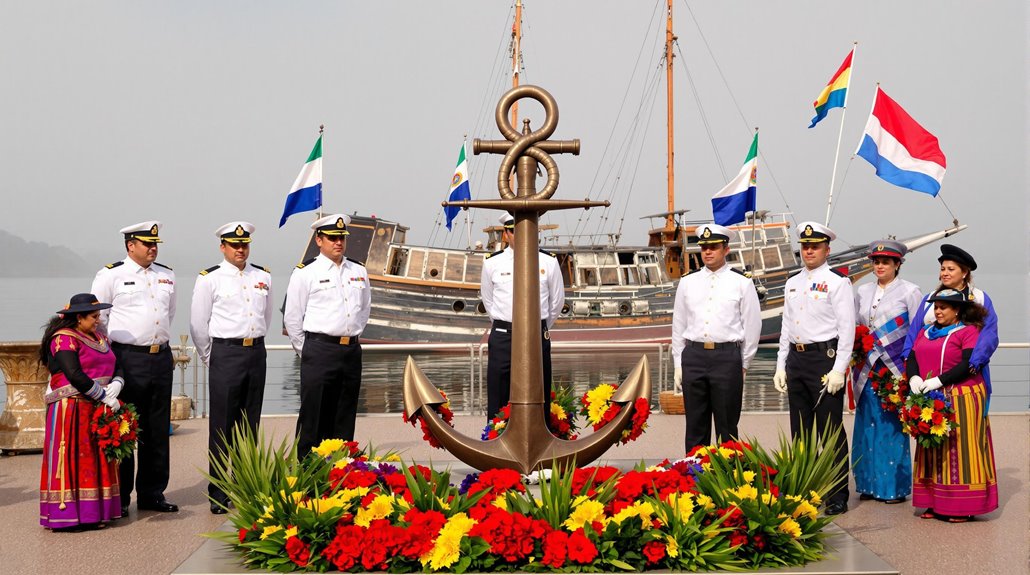
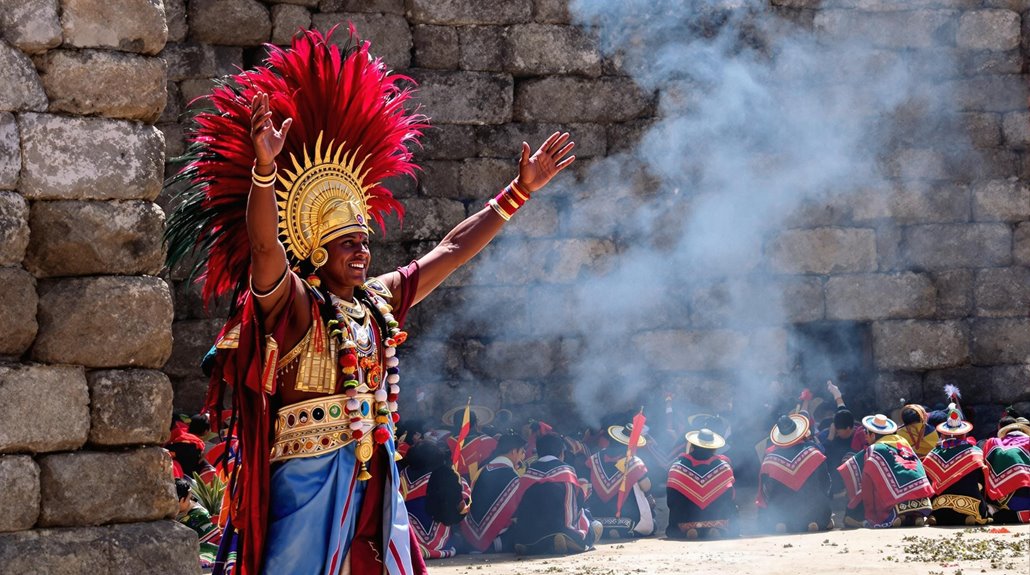
Each year, Bolivians unite to commemorate Día del Mar on March 23rd, altering their streets into vibrant displays of patriotic self-esteem and maritime remembrance. You'll witness grand parades where the Bolivian navy marches proudly, demonstrating the nation's enduring connection to its maritime aspirations despite being landlocked.
During these celebrations, you'll hear the powerful Anthem of the Sea echoing through cities and towns, as citizens sing the names of coastal territories that once belonged to Bolivia. This musical tribute serves as a poignant reminder of the country's lost Pacific access and its determination to reclaim it.
The legacy of Eduardo Abaroa, a revered war hero who died defending the port of Calama, remains alive through his descendants' participation in the festivities. You'll find them sharing his courageous story, keeping the flame of Bolivia's maritime heritage burning bright. These cultural traditions don't just commemorate a historical loss; they actively maintain Bolivia's maritime identity and unite its people in their continued pursuit of sovereign access to the Pacific Ocean.
Educational Impact on Future Generations
Modern Bolivian schools integrate maritime education into their core curriculum, guaranteeing students grow up understanding their nation's historical connection to the sea. When you visit schools in La Paz during El Dia del Mar, you'll find classrooms filled with maritime-themed projects, naval history presentations, and interactive learning activities that ensure superior comprehension of Bolivia's coastal legacy.
- Teachers encourage students to participate in maritime-focused essay contests and art exhibitions, helping them express their understanding of Bolivia's historical relationship with the Pacific Ocean
- School libraries maintain dedicated sections featuring books, maps, and multimedia resources about naval history, making it easier for students to research and connect with their maritime heritage
- Educational field trips to naval museums and maritime institutions provide hands-on learning experiences that bring history to life
Today's young Bolivians don't just learn about their nation's maritime past; they're actively engaging with it through modern educational approaches. This thorough maritime education helps create a generation that understands the significance of their country's historical claims while developing a deeper appreciation for their naval heritage and identity.
International Support and Recognition
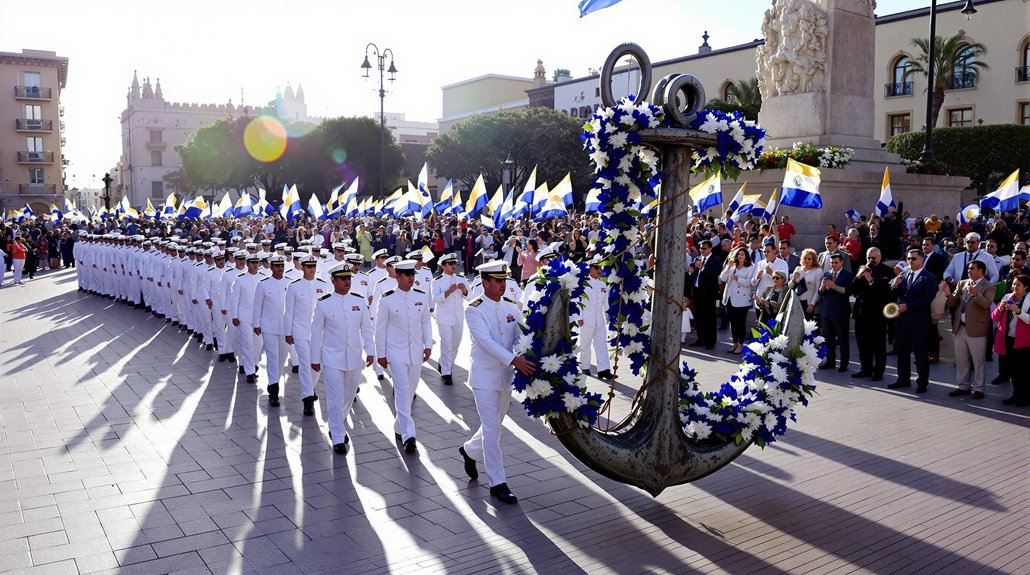
Beyond Bolivia's borders, the nation's maritime aspirations have gained significant international attention and backing. You'll find that the United Nations General Assembly has thrown its weight behind Bolivia's quest for sovereign access to the Pacific Ocean, demonstrating the global community's recognition of this historical grievance.
The support doesn't stop there. Throughout Latin America, you'll notice a strong network of nations standing in solidarity with Bolivia's maritime claims. These countries understand the economic and social implications of being landlocked and have consistently voiced their support in international forums. The Landlocked Developing Countries Group has also emerged as a powerful advocate for Bolivia's maritime rights under international law.
While the International Court of Justice's ruling didn't legally compel Chile to negotiate sea access with Bolivia, you can see how this setback hasn't diminished international support for Bolivia's cause. Instead, it's highlighted the complex nature of territorial disputes and their lasting impact on nations. Through continued diplomatic efforts and international advocacy, Bolivia's maintained its position on the global stage, ensuring its maritime aspirations remain a relevant topic in international discussions.
Maritime Claims Through Time
Tracing back through Bolivia's maritime history reveals a dramatic change from a coastal nation to a landlocked country. You'll find that before 1879, Bolivia controlled a precious 250-mile Pacific coastline rich in natural resources, particularly in the region of La Paz. The War of the Pacific dramatically altered this reality when Chile invaded and occupied these territories, leading to Bolivia's devastating loss of ocean access.
- Prior to 1879: Bolivia maintained sovereign control over its Pacific coastline, complete with ports and maritime commerce
- 1904 Treaty: Bolivia was forced to formally recognize Chile's authority over the disputed coastal territories
- Present Day: Bolivia continues its persistent campaign for the return of sovereign access to the sea
Since losing its coastline, Bolivia's government has never ceased its efforts to regain Pacific access. You can see this determination in the nation's repeated appeals to international bodies, including the International Court of Justice. While the 1904 treaty legally established Bolivia's current landlocked status, the country's commitment to reclaiming maritime access remains steadfast, shaping both its foreign policy and national identity through generations of diplomatic initiatives.
Military Parades and Ceremonies
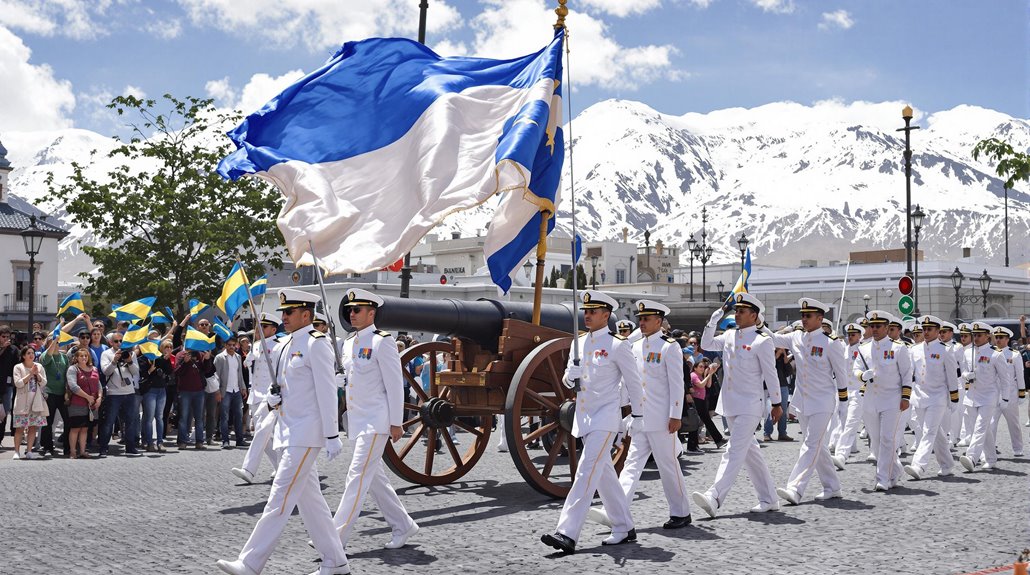
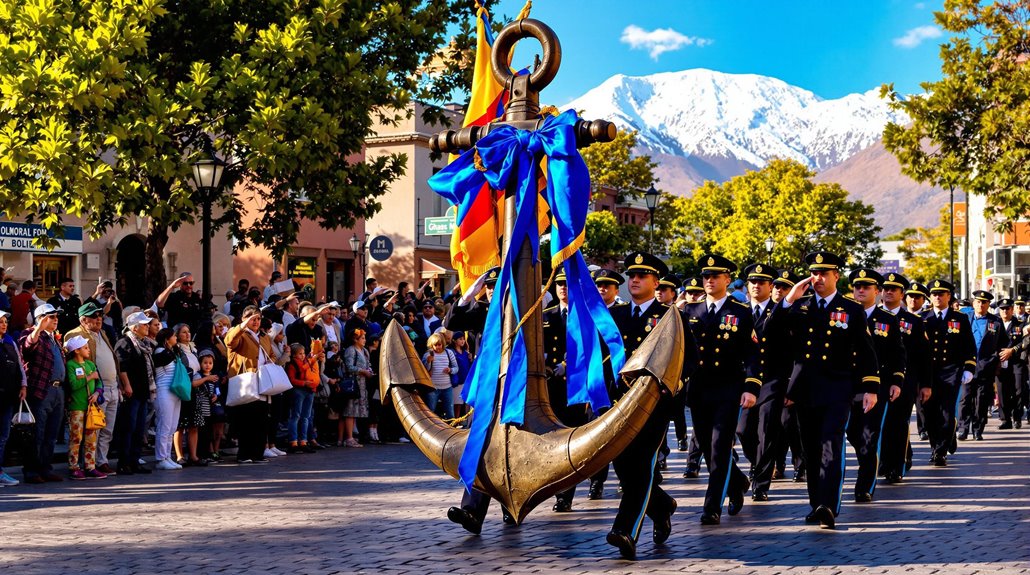
Each March 23rd, Bolivia's navy leads a powerful display of military might through the streets of major cities, honoring the nation's lost maritime territory. You'll witness Bolivian soldiers marching proudly in their naval uniforms, recreating historic battles that shaped the nation's maritime legacy during the War of the Pacific in 1879.
As you observe the Day of the Sea ceremonies, you'll see military leaders and government officials, including President Evo Morales, providing impassioned speeches about the valor of those who defended Bolivia's coastline. The parade features impressive displays of military equipment while honoring heroes like Eduardo Abaroa, who sacrificed his life protecting the port of Calama. You'll watch as officials lay wreaths at monuments dedicated to these fallen warriors.
The most moving part of the ceremony comes at its culmination when you'll join the crowd in five minutes of complete silence. During this solemn moment, you'll hear only the recorded sounds of ocean waves, a powerful reminder of Bolivia's lost access to the Pacific. This annual tradition continues to unite Bolivians in remembering their maritime heritage and maintaining their claim to coastal access.
Related posts