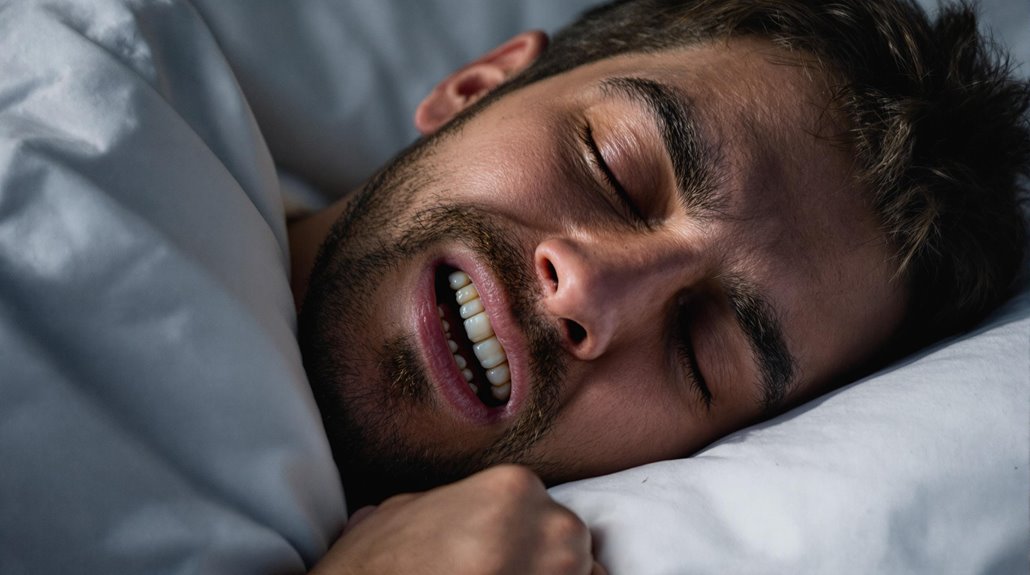
Can Lack of Sleep Harm Your Health? Risks and Solutions

Lack of sleep can seriously harm your physical and mental health in both the short and long term. You'll experience immediate effects like reduced concentration, impaired memory, and slower reaction times when you don't get enough rest. Over time, sleep deprivation increases your risk of heart disease, type 2 diabetes, obesity, and cognitive decline. It can also weaken your immune system and make you more susceptible to illness. Poor sleep affects your emotional stability and decision-making abilities, potentially leading to anxiety and depression. While these risks are significant, there are numerous effective strategies to help you achieve the quality sleep your body needs.
Understanding Sleep Deprivation
Exhaustion creeps in when you don't get enough sleep, but sleep deprivation goes far beyond just feeling tired. When you consistently get less than the recommended 7-9 hours of sleep per night, you're putting yourself at risk for both short-term and long-term health consequences. Poor sleep habits, such as irregular bedtimes or excessive screen time before bed, can lead to a pattern of insufficient rest.
Sleep deprivation can stem from various sources, including high stress levels, depression, or underlying sleep disorders like sleep apnea. While you might think you can function on less sleep, your body and mind are quietly suffering. What begins as occasional poor sleep can evolve into chronic sleep deprivation, profoundly impacting your cognitive abilities and decision-making skills.
You'll notice the effects in your daily life as tasks become more challenging and your concentration wavers. However, the real danger lies in the long-term health risks. Chronic sleep deprivation can increase your chances of developing serious conditions, including dementia, heart disease, diabetes, and certain types of cancer. Understanding these risks is essential for recognizing when your sleep patterns need attention.
Short-Term Health Effects
The immediate effects of sleep deprivation can strike within just 24 hours of poor sleep. When you're running low on rest, your cognitive function takes a marked hit, making it difficult to concentrate, solve problems, or make sound decisions. You'll likely notice that your memory isn't as sharp, and tasks that usually come easily might suddenly feel challenging.
Your immune system also suffers quickly when you don't get enough sleep. Without proper rest, your body's defense mechanisms weaken, leaving you more vulnerable to catching colds, flu, and other infections. Additionally, you'll probably experience noticeable mood changes throughout the day - you might feel more irritable, anxious, or even experience sudden emotional swings.
Physical performance declines rapidly with sleep loss. Your reaction time slows down, coordination becomes impaired, and if you're an athlete, you'll find your performance and recovery substantially compromised. Your body's metabolism also begins to change, affecting your appetite and energy levels. You might notice increased cravings for high-calorie foods as your body tries to compensate for the lack of energy from insufficient sleep.
Long-Term Medical Risks

Over time, chronic sleep deprivation can lead to devastating consequences for your long-term health. When you consistently fail to get enough rest, you're putting yourself at risk for serious health consequences that can affect multiple body systems. Research shows that ongoing sleep deprivation substantially increases your chances of developing life-threatening conditions, particularly those affecting your heart and blood vessels.
Your body's essential systems depend on quality sleep to function properly, and prolonged sleep loss can trigger a cascade of health issues:
- You'll face a higher risk of heart disease and stroke due to sleep's impact on blood pressure and cardiovascular health
- Your chances of developing type 2 diabetes increase as sleep loss affects insulin regulation
- Your immune system becomes compromised, making you more vulnerable to infections and illnesses
- You're more likely to gain weight and develop obesity-related complications
- Your brain health may deteriorate, potentially leading to cognitive decline and increased dementia risk
These medical risks aren't just theoretical concerns - they're well-documented outcomes of chronic sleep deprivation. The relationship between sleep and long-term health is clear: consistent, quality sleep is indispensable for preventing serious medical conditions and maintaining your overall well-being.
Brain Function and Mental Health
Beyond physical health impacts, sleep deprivation takes a considerable toll on your brain function and mental wellbeing. When you don't get enough sleep, your cognitive function suffers dramatically, making it harder to concentrate, make decisions, and form new memories. You'll likely notice that tasks requiring complex thinking become more challenging, and your ability to process information slows down enormously.
The effects of poor sleep extend far beyond daily cognitive struggles. Your mental health becomes particularly vulnerable when you're not getting adequate rest. If you're consistently missing out on quality sleep, you're at a higher risk of developing conditions like depression and anxiety. You'll also find yourself becoming more emotionally volatile, with frequent mood swings and increased irritability affecting your relationships and daily interactions.
Your brain relies on sufficient sleep to regulate emotions and maintain psychological balance. When you're sleep-deprived, you'll struggle to control impulses and manage stress effectively. This creates a challenging cycle where poor sleep affects your mental health, and declining mental health makes it harder to maintain healthy sleep patterns. Prioritizing quality sleep isn't just about physical rest - it's essential for protecting your psychological wellbeing.
Physical Performance Changes

While mental effects of sleep loss can be devastating, physical performance takes an equally substantial hit when you're running on insufficient rest. Sleep deprivation directly impacts your athletic abilities and physical coordination, making it harder to perform even basic tasks effectively. When you don't get quality sleep, your body struggles to recover from exercise, and your muscles can't repair themselves properly.
You'll notice several changes in your physical performance when you're not getting enough rest:
- Your reaction time slows significantly, increasing your risk of accidents and injuries during physical activities
- Your muscular strength and endurance decrease, making workouts less effective and more challenging
- Your body's hormone balance gets disrupted, affecting muscle growth and fat metabolism
- Your coordination becomes impaired, leading to clumsier movements and reduced athletic precision
- Your overall exercise capacity diminishes, making it harder to maintain your usual fitness routine
These effects of sleep deprivation can impact both amateur fitness enthusiasts and professional athletes alike. Whether you're training for a competition or simply trying to maintain an active lifestyle, getting adequate sleep is vital for ideal physical performance and recovery.
Weight and Metabolic Impact
Three major metabolic disruptions occur when you don't get enough sleep, all of which can markedly impact your weight and overall health. First, sleep deprivation throws your appetite-regulating hormones out of balance, causing you to feel hungrier and less satisfied after meals. This hormonal imbalance often leads to increased caloric intake and subsequent weight gain.
Second, your body's insulin sensitivity decreases when you're not getting adequate rest. This reduction makes it harder for your cells to process glucose effectively, putting you at higher risk for type 2 diabetes and other metabolic disorders. You'll find it more challenging to maintain stable blood sugar levels throughout the day, which can trigger additional food cravings and energy crashes.
Third, chronic sleep loss affects your energy levels and motivation to stay physically active. When you're tired, you're less likely to exercise and more prone to sedentary behaviors. This combination of increased caloric intake and reduced physical activity creates the perfect conditions for weight gain. To protect your metabolic health, you'll need to prioritize getting consistent, quality sleep, which can help restore proper hormone balance and support healthy weight management.
Heart Disease Connections
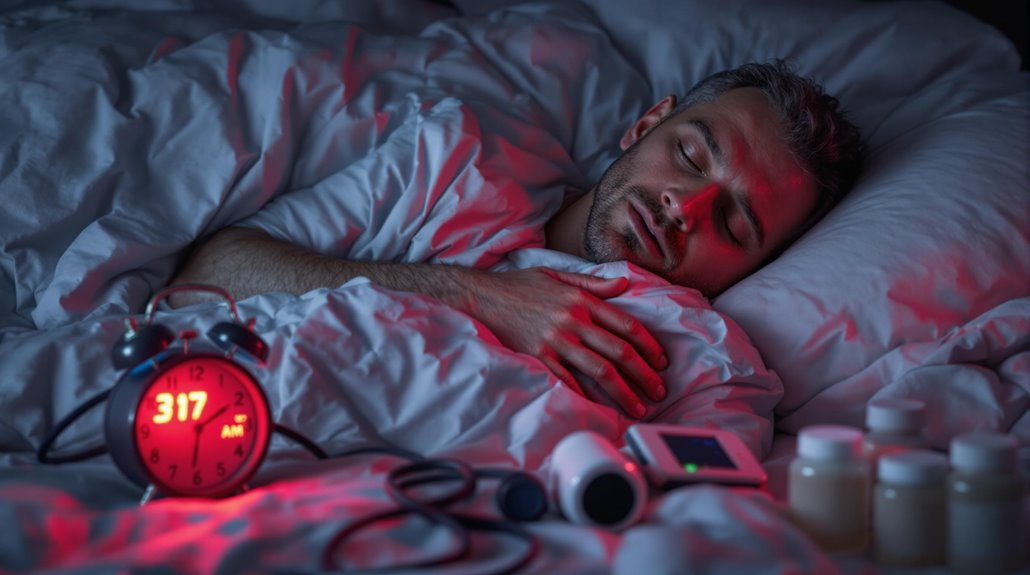
As researchers continue to uncover links between sleep and cardiovascular health, the evidence shows a clear connection between poor sleep habits and heart disease risk. When you don't get enough quality sleep, your body's natural processes for regulating blood pressure become disrupted, potentially leading to hypertension. Sleep deprivation also triggers inflammation in your body, which can contribute to the development of atherosclerosis and other cardiovascular complications.
Sleep apnea poses a particularly significant threat to your heart health. If you're experiencing interrupted breathing during sleep, you're at a higher risk for developing serious cardiovascular conditions, including heart attack and stroke. The good news is that you can take steps to protect your heart by prioritizing healthy sleep habits.
Key ways sleep affects your heart health:
- Chronic sleep deprivation increases your risk of developing high blood pressure
- Poor sleep triggers inflammatory responses that damage blood vessels
- Sleep apnea disrupts oxygen flow, straining your cardiovascular system
- Inadequate sleep interferes with your body's natural blood pressure regulation
- Regular, quality sleep helps maintain proper heart function and reduces disease risk
Cancer Risk Factors
Beyond heart disease, poor sleep habits can greatly impact your cancer risk. Research has shown that consistently disrupted sleep patterns may increase your chances of developing several types of cancer, including breast, prostate, and colorectal cancers. When you don't give your body the sleep it needs, you're interfering with your natural circadian rhythms and hormonal balance.
The consequences of sleep deprivation go deeper than just feeling tired the next day. Your body needs sleep to maintain proper immune function and perform essential cellular repair processes during the night. When you experience chronic lack of sleep, you're potentially triggering increased inflammation throughout your body - a known factor in cancer development. While scientists are still working to fully understand the complex relationship between sleep patterns and cancer risk, the evidence suggests that poor sleep habits may compromise your body's natural defense mechanisms against cancer formation. To protect yourself, it's essential to prioritize consistent, quality sleep as part of your overall health strategy. Though more research is ongoing, maintaining healthy sleep patterns appears to be one important way you can help reduce your cancer risk.
Common Sleep Disorders
Sleep disorders can profoundly impact your quality of life, affecting millions of people worldwide. When you're dealing with conditions like sleep apnea, you'll experience repeated breathing interruptions that can increase your risk of heart problems. If you're struggling with insomnia, you'll find it difficult to fall or stay asleep, leading to daytime fatigue and increased health risks.
Sleep apnea: Causes breathing interruptions during sleep, requiring immediate medical attention
Insomnia: Makes it hard to fall or stay asleep, affecting your daily performance
Restless leg syndrome: Creates an irresistible urge to move your legs, disrupting your sleep pattern
Narcolepsy: Leads to sudden sleep episodes and excessive daytime drowsiness
Delayed sleep phase syndrome: Shifts your sleep-wake cycle later than normal times
If you're experiencing any of these conditions, you shouldn't ignore them. Narcolepsy can cause unexpected sleep episodes during daily activities, while restless leg syndrome might keep you awake at night. These disorders can greatly impact your physical and mental well-being, making proper diagnosis and treatment essential for maintaining good health.
Natural Sleep Enhancement Methods
Natural methods offer powerful tools for improving your sleep quality without relying on medication. Understanding sleep basics is essential as you work to establish healthier sleep patterns. If sleep deprivation continues, these natural approaches can help reset your internal clock and promote better rest.
Start by creating a consistent sleep schedule and limiting screen exposure before bedtime. You'll find that getting enough sleep becomes easier when you align your routine with your body's natural circadian rhythm. Regular exercise and stress-reducing activities like meditation can also affect your sleep quality positively. Make sure you're exposing yourself to natural daylight during waking hours while keeping your bedroom dark and quiet at night.
Your diet plays a central role too. Consider increasing foods rich in magnesium and tryptophan, while avoiding caffeine in the afternoon and evening. Natural supplements can provide additional support - melatonin, valerian root, and chamomile tea have shown promising results for many people struggling with sleep issues. Remember to talk to your healthcare provider before starting any supplement regimen, as individual responses may vary.
Creating Healthy Sleep Habits
Building on these natural remedies, developing consistent sleep habits forms the foundation of lasting sleep improvements. Establishing a regular sleep-wake schedule helps align your body's internal clock, making it easier to fall asleep and wake up naturally. You'll find that maintaining 7-8 hours of quality sleep per night becomes more achievable when you create a structured routine.
To ideal your sleeping environment and habits, consider implementing these essential practices:
- Set consistent bedtime and wake-up times, even on weekends, to regulate your body's natural rhythm
- Create a calming pre-bed routine that includes relaxing activities like reading or gentle stretching
- Design your bedroom environment to be dark, quiet, and cool for perfect sleep conditions
- Limit exposure to screens and blue light at least one hour before bedtime
- Address any underlying stress or health issues that might interfere with your sleep quality.
Lifestyle Changes for Better Sleep
Making meaningful lifestyle adjustments can alter your sleep quality and overall well-being. While sleeping pills might seem like a quick fix, sustainable changes to your daily routine can help you achieve an adequate amount of sleep without medication. Research from sleep studies shows that most adults need 7-9 hours a night for ideal health.
Start by establishing a consistent sleep schedule, even on weekends. Your body's internal clock responds well to routine, making it easier to fall asleep and wake up naturally. Next, create a technology-free wind-down period before bed, as blue light from screens can interfere with your melatonin production. Instead, try reading a book or taking a warm bath to signal to your body that it's time to rest.
Set up your bedroom for success by keeping it dark, quiet, and cool. You'll also want to incorporate regular exercise into your daily routine, but schedule workouts earlier in the day to avoid disrupting your sleep. Remember, these changes don't need to happen all at once. Start with one or two adjustments and gradually build upon them as they become habits.
Medical Treatment Options
Seeking medical treatment for sleep issues becomes necessary when lifestyle changes alone aren't enough. Your healthcare provider can diagnose and treat underlying conditions that might be causing your sleep problems. If you're experiencing persistent sleep deprivation, several medical interventions are available to help you regain healthy sleep patterns.
Medical professionals often recommend cognitive-behavioral therapy as a first-line treatment. This approach helps you identify and modify thoughts and behaviors that interfere with your sleep. For some patients, prescription medications may be necessary, though they're typically prescribed for short-term use under careful medical supervision.
Here are the main medical treatment options your doctor might consider:
- Cognitive-behavioral therapy sessions to address sleep-related anxiety and harmful sleep habits
- Short-term prescription medications like sedatives or hypnotics to help regulate sleep patterns
- Sleep studies to diagnose and treat conditions like sleep apnea
- Specialized medical devices, such as CPAP machines for sleep apnea patients
- Combination therapy that includes both behavioral approaches and medication management
Your doctor will develop a personalized treatment plan based on your specific sleep issues, medical history, and overall health needs.