Beneficial Sleeping Habits for Children and Teenagers

To help your child or teen get quality sleep, start by ensuring they meet their age-appropriate sleep requirements: 9-12 hours for school-aged children and 8-10 hours for teenagers. Create a sleep-friendly environment by keeping their bedroom cool, dark, and quiet, with temperatures between 65-68°F. Establish a consistent bedtime routine that includes removing electronics at least an hour before sleep, replacing screen time with calming activities like reading or gentle breathing exercises. Encourage daily physical activity, but schedule it earlier in the day. The right combination of these practices can alter your child's sleep habits and overall well-being.
Understanding Sleep Requirements By Age
Three distinct age groups have markedly different sleep needs, and understanding these requirements is essential for your child's development. School-aged children need 9-12 hours of sleep daily to maintain ideal health and functionality, while teenagers require 8-10 hours to support their rapidly changing bodies and minds.
As your child enters puberty, you'll notice significant changes in their sleep patterns. Teenagers naturally gravitate toward later bedtimes and wake times, making it crucial to adjust their sleep schedule accordingly. However, don't let these shifting patterns compromise their sleep requirements. Without adequate rest, your child may experience difficulty focusing, mood swings, behavioral issues, and potential weight problems.
If you're noticing sleep deprivation symptoms in your child, it's time to evaluate their sleep hygiene. Create a consistent sleep routine that works for their age group and stick to it - even on weekends. Remember that approximately 25% of children face sleep-related challenges, but most of these issues can be resolved by establishing and maintaining proper bedtime habits. Regular sleep schedules help regulate your child's internal clock and promote better quality rest.
Creating The Perfect Sleep Environment
Building on proper sleep schedules, your child's bedroom environment plays a key role in achieving quality rest. To guarantee your child gets the right amount of sleep, you'll need to transform their bedroom into a sleep-friendly sanctuary.
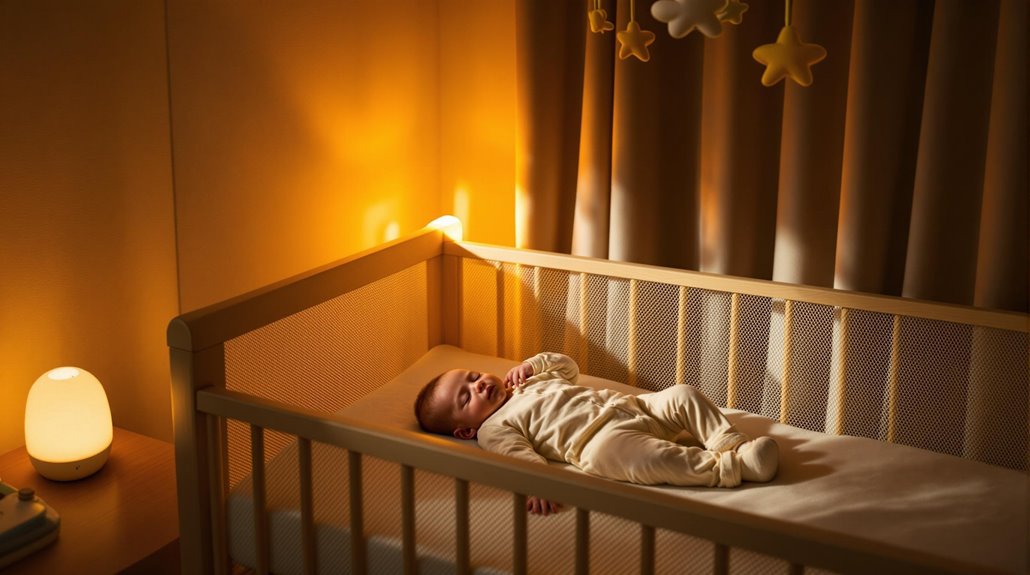
Start by keeping your child's bedroom cool, dark, and quiet. Install blackout curtains to block out street lights and early morning sun, and maintain a comfortable temperature between 65-68°F. Remove electronics from the bedroom, as the blue light can interfere with their consistent sleep patterns. If your child needs a nightlight, choose one with warm, dim lighting.
Invest in comfortable bedding that's breathable and suited to your child's preferences. A supportive mattress and proper pillows can profoundly impact the hours of sleep they get each night. Establish a calming bedtime routine that includes relaxation techniques like reading a book, gentle stretching, or taking a warm bath. These activities signal to your child's body that it's time to wind down.
Remember to keep the bedroom solely for sleep-related activities. When your child uses their bed only for sleeping, they'll develop a stronger mental association between their bedroom and rest.
Establishing Consistent Bedtime Routines

While parents often focus on bedtime itself, establishing a consistent pre-bedtime routine is equally critical for your child's sleep success. Children need structure to sleep well, and following the same steps each night helps their bodies recognize when it's time to wind down.
Start by setting a fixed time to go to bed that guarantees your child gets enough sleep, even on weekends. About an hour before bedtime, remove all electronic distractions, including cell phones, tablets, and computers, as their blue light can interfere with natural sleep patterns. Replace screen time with calming activities like reading a story, listening to soft music, or practicing gentle breathing exercises.
Create a predictable sequence of events: a warm bath, changing into pajamas, brushing teeth, and perhaps some quiet time together. This routine shouldn't vary much from night to night. You'll find that when your child knows what to expect, they're more likely to move smoothly into sleep mode. Remember that consistency is key - when you maintain these routines, you're helping your child develop healthy sleep habits that can lead to a good night's sleep every night.
Managing Screen Time Before Rest
Screen time has emerged as one of the biggest challenges for parents trying to establish healthy sleep habits. If you've noticed your child having trouble sleeping, their use of electronic devices before bedtime might be the culprit. The blue light these devices emit can drastically disrupt their natural ability to fall asleep by interfering with melatonin production, the hormone responsible for regulating sleep cycles.
To help your children get better sleep, you'll need to implement clear guidelines around late night device usage. Start by creating a tech-free period at least one hour before bedtime. During this time, encourage activities that don't involve screens, such as reading a book, listening to calm music, or gentle stretching. You should also make their bedroom a device-free zone by removing smartphones, tablets, and other electronic devices that might tempt them during the night.
Optimizing Physical Activity Levels

Physical activity plays an essential role in establishing healthy sleep patterns for children and teenagers. Children who get enough exercise throughout the day typically fall asleep more easily and experience better quality rest compared to those who don't stay active. Guarantee your young ones engage in at least 60 minutes of physical activity every day to help regulate their natural sleep-wake cycle.
To optimize your child's activity levels, encourage a mix of different exercises and sports. Whether it's joining team sports, playing outdoors, or participating in structured workouts, varied physical activities contribute to improved sleep habits. However, it's important to time these activities appropriately. While regular exercise promotes better sleep, intense workouts too close to night can actually make it harder to fall asleep due to increased stimulation.
Schedule vigorous activities earlier in the day, allowing your child's body temperature and energy levels to naturally decrease as bedtime approaches. This timing helps maintain their internal clock and ascertains physical activity supports, rather than disrupts, their sleep patterns. Remember, active children tend to sleep more soundly and wake up feeling more refreshed.
Developing Healthy Sleep Mindset
A child's attitude toward sleep plays a crucial role in up to 40% of their sleep success. When you help your child develop a positive mindset about sleep, you're setting them up to establish Healthy Sleep Habits that can last a lifetime. The American Academy of Sleep Medicine suggests that a constructive outlook on bedtime routines helps children fall asleep more easily and maintain Good Sleep throughout the night.
To nurture a healthy sleep mindset, make sure your child understands why Getting Enough rest matters. Highlight the benefits they'll experience, such as better concentration at school, improved mood, and more energy for activities they enjoy. When Sleep Problems arise, address them with a calm, solution-focused approach rather than expressing frustration or anxiety. You can help your child reframe negative thoughts about bedtime by creating pleasant associations, like reading favorite stories or practicing gentle relaxation techniques.
Remember that children often mirror their parents' attitudes, so demonstrate your own positive relationship with sleep. When you show that you value and prioritize rest, you're teaching them to do the same.
Addressing Nighttime Anxiety

Nighttime fears and worries can greatly disrupt your child's sleep patterns and overall well-being. When your child experiences anxiety at bedtime, it is vital to address these concerns promptly while maintaining regular sleep habits. Even though it's tempting to bring them into your bed, this can create long-term sleep issues.
Instead, help your child develop self-soothing techniques to get back to sleep. Taking a bath before bedtime and creating a calm environment is always a good idea. Remember to keep phones and tablets away from the bedroom, as they can contribute to sleep disruption and anxiety.
- Respond quickly to nighttime fears with reassurance, but keep interactions brief and calm
- Teach your child relaxation techniques like deep breathing or progressive muscle relaxation
- Address worries during daytime hours rather than at bedtime
- Maintain a consistent bedtime routine that includes calming activities
If your child's sleep anxiety persists despite these measures, don't hesitate to consult their pediatrician. A lack of sleep can affect their academic performance, emotional well-being, and physical health, making professional guidance necessary when needed.
Monitoring Food And Drink Timing
Proper timing of meals and beverages plays an essential role in your child's sleep quality. For both little kids and older children, what they consume throughout the day directly affects how well they'll sleep at night. Avoid giving them caffeinated beverages, especially energy drinks, as these stimulants can disrupt their sleep and wake cycles, leading to Poor sleep patterns.
Schedule dinner at a reasonable hour, ensuring it's nutritious and balanced. This prevents your child from feeling uncomfortably full or hungry when bedtime approaches. While watching TV or engaging in other activities, don't let them snack on sugary foods close to bedtime, as these can make it harder to fall asleep and stay asleep throughout the night.
Encourage your children to drink enough water during the day, but limit fluid intake as bedtime approaches to prevent midnight bathroom trips. Start their day with a healthy breakfast to help regulate their internal clock. This consistent eating schedule supports better sleep quality and helps establish healthy sleep patterns that'll benefit them both now and in the future.
Recognizing Sleep Problem Warning Signs

Vigilance in spotting sleep problems can make a significant difference in your child's well-being. You'll need to monitor how Much Sleep your child gets, as issues that persist for more than 2-4 weeks can affect their daily functioning. If you notice your child struggling to stay awake during the day or experiencing pauses in breathing while sleeping, it's time to seek medical attention.
Watch for these vital warning signs:
- Excessive daytime drowsiness and sudden changes in school performance
- Loud snoring or irregular breathing patterns during sleep time every night
- Persistent difficulty falling asleep or frequent nighttime wakings
- Consistent resistance to bedtime routines
Remember that teens need adequate rest for proper development, and poor sleep can affect their behavior and academic performance. If you observe any of these symptoms persisting, don't wait to contact your pediatrician. They can help improve your child's sleep quality by identifying underlying issues like sleep apnea or restless leg syndrome. Early intervention is important, as addressing sleep problems promptly can prevent more serious complications and support healthy growth.
Building Weekend Sleep Schedules
While monitoring sleep problems is important, establishing a balanced weekend sleep routine helps maintain healthy patterns throughout the week. The American Academy of Sleep suggests that children and teens should keep their weekend bedtimes and wake times within at least one hour of their weekday schedule to maintain their natural sleep rhythm.
To help your child stay on track, discourage sleeping in excessively on weekends, as this can make them less able to fall asleep on Sunday nights. If your child might need extra rest, allow short naps especially in the afternoon, but keep them between 20-30 minutes to avoid disrupting nighttime sleep. Create a calming pre-bed routine similar to weekdays, such as reading or listening to music, which helps signal that it's time to wind down.
As Sunday approaches, gradually adjust your child's schedule to match their school-night routine. This shift helps them stay awake and alert for Monday morning classes. By maintaining consistency between weekend and weekday sleep patterns, you'll help your child develop healthy sleep habits that support their overall well-being and academic performance.