
Are Separate Bedrooms the Key to a Healthy Marriage?

Separate bedrooms aren't necessarily the key to a healthy marriage, but they're becoming a popular choice that works for many couples. Research shows that 25% of American partnerships now opt for separate sleeping spaces, with 60% reporting improved sleep quality and decreased stress levels. You'll find that common reasons include snoring (57%) and mismatched sleep schedules (56%). While this arrangement requires thoughtful communication about intimacy and connection, many couples uncover that better rest leads to stronger relationships. If you're considering this lifestyle shift, understanding the full impact on relationships and wellness can help you make an informed decision.
The Rise of Sleep Divorce
More couples are waking up to the benefits of sleeping apart, with nearly 25% of American partnerships now opting for separate beds or bedrooms. This growing trend, known as "sleep divorce," isn't a sign of relationship trouble - it's often a practical solution for couples facing common sleep disruptions.
The data reveals compelling reasons why partners choose sleeping separately. Snoring tops the list, with 57% of couples citing it as their primary motivation for separate sleeping arrangements. Another major factor is mismatched sleep/wake schedules, affecting 56% of couples who've made this choice. Parents, in particular, are embracing this arrangement, with over 82% of sleep-divorced couples having children - suggesting that quality rest becomes even more vital when raising a family.
The results speak for themselves: 60% of those who sleep separately report improved sleep quality and decreased stress levels, compared to 51% of bed-sharing couples. You'll find that this arrangement isn't about relationship distance but rather about prioritizing rest and well-being. By acknowledging that different sleep needs don't reflect relationship problems, couples are finding that separate bedrooms can actually strengthen their bond through better rest.
Breaking Bedroom Sharing Stigma
Despite the rising popularity of sleep divorce, many couples initially struggle with a sense of shame about sleeping separately. This stigma often stems from outdated societal expectations that sharing a bed equals a healthy marriage. However, the reality is that sleeping arrangements have no bearing on the strength of your relationship.
If you're considering separate bedrooms, remember that nearly 25% of couples already sleep apart, and this number continues to grow. The pandemic has actually accelerated this trend, as more couples uncover the benefits of having their own sleep spaces during extended periods of home confinement. You're not alone in prioritizing quality rest over traditional sleeping arrangements.
The key to breaking this stigma is understanding that healthy relationships thrive on good communication and mutual respect, not sleeping arrangements. If you're house hunting, don't hesitate to make separate bedrooms a priority. Many couples now view individual sleeping spaces as essential to their well-being rather than a sign of relationship trouble. By challenging these outdated assumptions, you're contributing to a more open dialogue about what truly makes marriages work: respect for each partner's needs and comfort.
Sleep Quality Matters
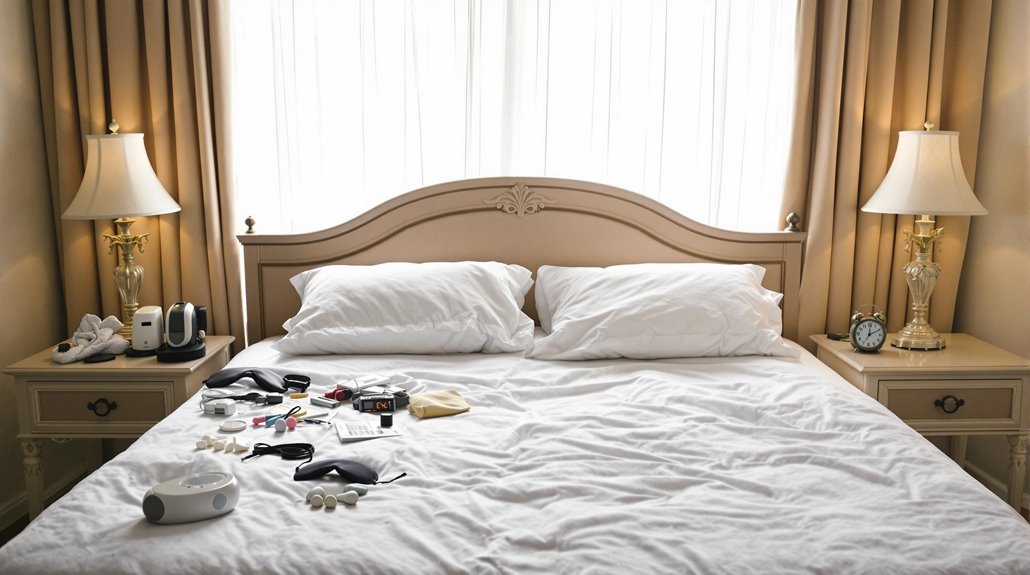
Quality sleep forms the foundation of a healthy relationship, and research consistently shows that sleeping separately can markedly improve your rest. Studies reveal that over 60% of individuals who choose separate sleeping arrangements report good or excellent sleep quality, while only 51% of bed-sharers experience the same level of satisfaction.
The benefits of sleeping separately are particularly evident among older generations. Both Baby Boomers and Gen X-ers report substantially better sleep quality when sleeping apart, with nearly 30% rating their sleep as exceptional. You'll also notice improved sleep efficiency, as those who sleep separately tend to fall asleep faster - 90 people report dozing off in 10 minutes or less, compared to 75 who share a bed.
If you're feeling stressed, sleeping separately might be your solution. About 60% of those who opt for separate beds report lower stress levels, highlighting the direct connection between sleep quality and emotional well-being. Health experts emphasize that prioritizing quality sleep through separate bedrooms can lead to happier, healthier relationships, as both partners get the restorative rest they need to function at their best.
Common Reasons for Sleeping Apart
Three main factors consistently drive couples to choose separate sleeping arrangements. Most commonly, snoring disrupts shared sleep, with 57% of couples citing it as their reason for using separate beds or rooms. This issue particularly affects Baby Boomers, where 68% identify snoring as their primary motivation for sleeping apart.
Nearly as relevant are conflicting sleep/wake schedules, which 56% of couples report as their catalyst for separate sleeping arrangements. You'll find this reason especially prevalent among younger generations, with 63% of Millennials and 62% of Gen Z-ers choosing separate beds due to mismatched schedules. Whether you're an early bird or a night owl, these differences can noticeably impact your partner's sleep quality.
Intimacy issues also play a role in couples' decisions to sleep separately, though less frequently than the other factors. This concern varies by generation, affecting 28% of Millennials and 23% of Gen X couples. You might worry that separate rooms could harm your relationship, but many couples find that prioritizing quality sleep actually improves their overall connection by ensuring both partners are well-rested and more emotionally available during waking hours.
Generational Views on Separate Beds
Different generations hold distinct views on sleeping separately, reflecting broader cultural shifts in how we approach relationships and sleep habits. You'll find that younger generations, particularly Millennials and Gen Z-ers, are increasingly embracing separate bedrooms, with over 60% citing conflicting sleep schedules as their main motivation.
While Baby Boomers tend to view sleeping separately primarily as a solution to snoring problems (68%), Gen X and Millennials more commonly point to intimacy concerns, at 23% and 28% respectively. Interestingly, Millennials stand out as the only generation reporting better sleep quality when sleeping together, contrasting with other age groups who find more restful nights apart.
You might be surprised to learn that marriage plays a significant role in attitudes toward separate sleeping arrangements. Married couples are considerably more accepting of the practice, with 62% viewing it as a perfectly acceptable choice. This suggests that the stigma around separate bedrooms is fading, particularly among those who've experienced long-term relationships. Whether you're considering separate sleeping arrangements or maintaining traditional sharing, it's clear that generational standpoints are reshaping our understanding of healthy sleep habits in relationships.
Impact on Relationship Satisfaction
Sleep's impact on relationship satisfaction reveals surprising complexities, with over 40% of bed-sharing couples questioning their relationship due to sleep-related issues. The main culprits? Snoring affects 78% of couples, while conflicting sleep schedules disrupt 71% of relationships. Temperature preferences also play a significant role, with 58% of couples citing this as a reason for relationship strain.
If you're considering separate sleeping arrangements, you'll find encouraging data supporting this choice. Couples who opted to sleep separately reported a notable improvement in relationship satisfaction, with 26% rating their relationship as "Amazing" compared to 19% before the change. However, maintaining a healthy sex life requires intentional effort when sleeping apart. While 72% of bed-sharing couples report satisfying sex lives, that number drops to 55% for those who sleep separately.
You don't need to immediately switch to separate bedrooms if you're experiencing sleep-related relationship issues. Experts recommend first trying adjustments to schedules and bedding. If you do choose to sleep separately, prioritize open communication to maintain intimacy and facilitate your relationship's continued thriving.
Preserving Romance and Intimacy
Despite the benefits of separate sleeping arrangements, maintaining romance requires intentional effort from both partners. Research shows that couples sharing a bed typically report better sexual satisfaction, with 72% rating their sex life as good or remarkable compared to 55% of those who sleep separately. This highlights the importance of actively working to preserve intimacy when choosing separate bedrooms.
You'll need to be creative and intentional about maintaining physical and emotional intimacy. Schedule regular date nights, engage in activities like cuddling and foot rubs, and find new ways to stay physically close throughout the day. Communication is vital - discuss your needs openly and create specific plans for intimate moments. While separate bedrooms can improve your sleep and relationship quality, you'll need to balance these benefits with dedicated time for connection.
The good news is that many couples, especially married ones, don't view separate sleeping arrangements as a red flag. In fact, 62% of married individuals believe it's not a bad sign for their relationship. Most couples who sleep separately also expect to share a bed again in the future, suggesting that this arrangement can be a temporary solution without compromising long-term intimacy.
Better Sleep, Better Marriage
The quality of your sleep directly impacts your relationship's health and happiness. When you're well-rested, you're more patient, understanding, and emotionally available to your partner. Poor sleep, on the other hand, can lead to irritability, decreased problem-solving abilities, and heightened conflict in your relationship.
Choosing to sleep separately doesn't mean your marriage is troubled - it could actually strengthen it. Better sleep often results in improved mood, increased energy, and enhanced cognitive function. When you're sleeping apart, you're less likely to be disturbed by your partner's snoring, tossing and turning, or different temperature preferences, leading to more restful nights.
Many couples find that sleeping alone allows them to maintain their own sleep schedules and routines without compromise. You might prefer to read late into the night while your partner needs complete darkness to fall asleep. By respecting these differences and prioritizing quality rest, you're investing in your relationship's long-term success. Remember, the goal isn't to create distance but to guarantee both partners are well-rested and better equipped to nurture their connection during waking hours.
Communication Between Partners
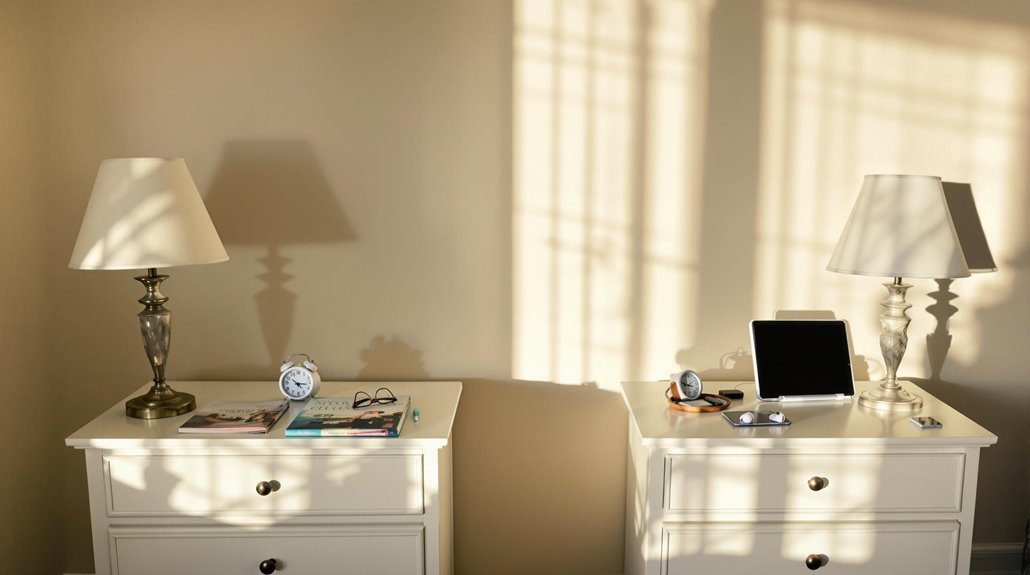
Honest dialogue serves as the foundation for couples considering separate bedrooms. Before making this significant change, you'll need to have open conversations with your partner about your sleep needs, concerns, and expectations. It's crucial to address any potential feelings of rejection or disconnection that might arise from sleeping apart.
When discussing separate bedrooms, focus on the practical benefits while acknowledging the emotional aspects of couples sleep. You might explain how better individual rest can lead to more quality time together when you're awake. Set clear expectations about when you'll sleep together and when you'll sleep separately, and establish new routines for maintaining intimacy.
Regular check-ins about your sleeping arrangement help confirm both partners remain satisfied with the arrangement. You'll want to discuss how to handle overnight guests, illness, or special occasions. Keep communication channels open about what's working and what isn't. Remember that sleeping arrangements can be flexible - you might choose to sleep separately on worknights but together on weekends. The key is finding a balance that works for both partners while maintaining a strong emotional connection.
Benefits Beyond Rest
Sleeping in separate bedrooms offers surprising benefits that extend far beyond improved rest quality. When couples choose to sleep with their partner in separate rooms, they're often surprised by the positive impact on their relationship dynamics. Research shows that transforming from a shared bed to separate beds can elevate relationship satisfaction, with 26% of couples reporting their relationship as "amazing" after making the switch.
The advantages of sleeping in separate beds include:
- Reduced relationship tension due to eliminated sleep incompatibilities, leading to a significant 60% decrease in stress levels
- Enhanced physical intimacy, with 55% of couples maintaining a satisfying sex life through intentional communication
- Greater flexibility for different schedules and personal preferences, particularly beneficial for married couples who are more open to this arrangement
- Improved overall relationship quality, as couples can avoid common bedroom-related conflicts
These benefits challenge the traditional notion that couples must share a bed to maintain a healthy relationship. Instead, separate rooms can create an environment where both partners thrive individually while strengthening their bond collectively. The key lies in open communication and mutual understanding about this arrangement's positive impact on your relationship.
Making the Transition Work

Moving to separate bedrooms requires thoughtful planning and open dialogue between partners to guarantee a smooth shift for both individuals. It's crucial to acknowledge that while you may no longer share a bed, this decision prioritizes your collective well-being and relationship health.
Before making the switch, consider consulting a licensed clinical psychologist or sleep specialist, especially if sleep disorders are involved. These professionals can guide you through the emotional aspects of the change and help develop strategies to maintain intimacy despite separate beds. They'll also assist in addressing any underlying concerns about abandonment or relationship stability.
Remember that this arrangement doesn't have to be permanent. You can establish a trial period and regularly evaluate how the separate sleeping spaces affect your relationship. Focus on creating new routines that preserve emotional connection, such as spending quality time together before retiring to your respective rooms or planning regular "sleep-together" nights. The key is maintaining open communication throughout the process, ensuring both partners feel secure and understood. If needed, you can always revisit the decision and return to sharing a bedroom when circumstances change.
Creating Individual Sleep Sanctuaries
A successful shift to separate bedrooms begins with designing individual spaces that reflect each partner's ideal sleep environment. When you choose to sleep separately, you'll have the freedom to create a personalized sanctuary that supports your unique sleep needs without compromising your partner's comfort.
Consider these essential elements when creating your sleep spaces:
- Temperature control - Set your room's temperature to your preferred level without negotiating, whether you're someone who runs hot or cold when sleeping
- Lighting preferences - Install blackout curtains if you need complete darkness, or keep softer lighting if that's what helps you go to bed comfortably
- Sound management - Use white noise machines, earplugs, or complete silence based on what gives you the best night's sleep
- Bedding choices - Select mattress firmness, pillow types, and blanket weights that match your individual needs