
An Overview of Major Sleep Disorders and Their Symptoms

Sleep disorders can seriously impact your daily life, with conditions like insomnia affecting up to 50% of adults. You'll notice different symptoms depending on the disorder: difficulty falling or staying asleep with insomnia, breathing pauses with sleep apnea, disrupted sleep-wake patterns with circadian rhythm disorders, leg movement urges with restless leg syndrome, and unusual behaviors like sleepwalking with parasomnias. Each condition requires specific treatment approaches, from CPAP therapy to cognitive behavioral therapy and medications. Understanding these disorders, their symptoms, and available treatments will help you take the first step toward better sleep health.
Understanding Common Sleep Disorders
Anyone who's struggled with sleep knows how disruptive it can be to daily life. Understanding common sleep disorders is essential for identifying and treating these conditions effectively. Insomnia, the most prevalent sleep disorder affecting up to 50% of adults, can be treated with cognitive behavioral therapy and medications to help restore healthy sleep patterns.
Sleep apnea poses serious health risks to over 20 million Americans, but you can manage it effectively through CPAP therapy, which helps maintain consistent breathing during sleep. If you're experiencing unusual sleep timing issues, you might have circadian rhythm disorders, which can significantly impact your sleep quality. These disorders often respond well to melatonin supplements and controlled light exposure.
You may be among the 7-10% of people affected by restless leg syndrome, which can stem from various health conditions or medications. Watch for symptoms like an irresistible urge to move your legs, especially at night. Parasomnias, including sleepwalking and sleep talking, require special attention to prevent injury. While more common in children, these sleep disorders can persist into adulthood, affecting overall sleep health and requiring specific safety measures.
Key Symptoms to Watch For
Awareness of sleep disorder symptoms enables you to seek appropriate medical help. When you experience difficulty falling asleep or difficulty staying asleep, you might be dealing with insomnia, which impacts up to half of all adults. If your bed partner complains about your loud snoring or notices pauses in your breathing during sleep, these could indicate sleep apnea, a serious condition affecting millions of Americans.
You'll want to pay attention to your sleep-wake patterns too. If you consistently can't sleep at conventional times or feel out of sync with normal schedules, you might have circadian rhythm disorders. Watch for an uncontrollable urge to move your legs, particularly at night - this is a telltale sign of restless leg syndrome, which affects up to 10% of people.
Unusual sleep behaviors like sleepwalking, sleep talking, and frequent nightmares fall under parasomnias. While these sleep disorders are more prevalent in children, they can affect adults too. If you notice any of these symptoms persisting for several weeks, don't hesitate to consult a healthcare provider for proper evaluation and treatment.
Risk Factors and Causes
Understanding the roots of sleep disorders reveals a complex web of contributing factors. Your risk factors may stem from multiple sources, ranging from biological predispositions to environmental influences that affect your daily life.
If you're experiencing sleep problems, underlying medical conditions could be the culprit. Hormonal imbalances and mental health conditions often disrupt normal sleep patterns, while neurological issues can interfere with your brain's sleep-wake mechanisms. Your lifestyle factors play a vital role too - irregular work schedules, poor sleep hygiene, and substance use can all throw off your circadian rhythms.
Environmental factors in your bedroom matter more than you might think. Excess noise, inappropriate lighting, and uncomfortable temperatures can prevent you from getting quality rest. Additionally, your genetic predisposition might make you more susceptible to certain sleep disorders - if your family members have conditions like narcolepsy or restless leg syndrome, you could be at higher risk.
It's important to recognize that these risk factors often interact with each other. For example, your genetic predisposition might combine with lifestyle choices and environmental conditions to trigger or worsen sleep problems.
Diagnosing Sleep Related Problems
When seeking answers about sleep problems, getting a proper diagnosis is the crucial first step. Your healthcare provider will typically begin by reviewing your medical history and conducting a physical exam to understand your overall health and potential contributing factors.
You'll likely be asked to maintain a sleep diary or sleep logs to track your sleep patterns and quality over time. This detailed record helps identify specific issues and trends in your sleep-wake cycle. Many patients now use wearable devices that monitor movement, heart rate, and other physiological markers during sleep, providing additional data for healthcare providers to contemplate.
If initial assessments suggest a sleep disorder, your doctor may recommend a sleep study, also known as polysomnography. During this specialized test, you'll spend the night in a sleep lab where medical professionals monitor various aspects of your sleep, including brain waves, breathing patterns, and body movements. The extensive data collected helps in diagnosing sleep disorders accurately. Based on these findings, your healthcare provider will work with you to develop a targeted treatment plan that addresses your specific sleep-related issues.
Treatment Options and Approaches
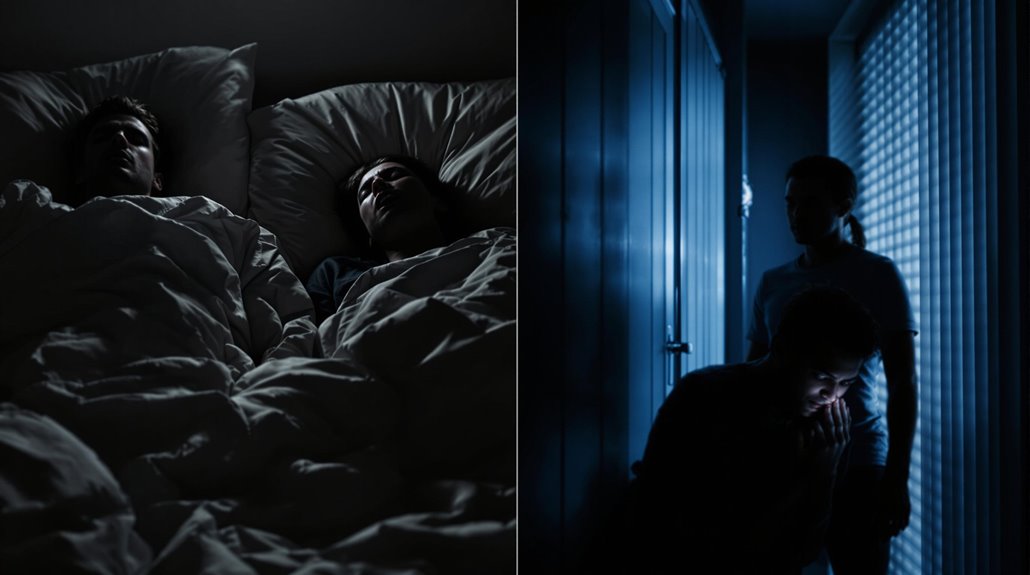
Modern sleep disorder treatments range from lifestyle modifications to advanced medical interventions, depending on your specific diagnosis and symptoms. If you're struggling with insomnia, cognitive-behavioral therapy can help you reshape negative thought patterns about sleep while improving your sleep habits. For sleep apnea, you'll likely need continuous positive airway pressure therapy, which uses specialized equipment to maintain open airways while you rest.
When your internal clock needs adjustment, a combination of melatonin supplements and bright light exposure can help realign your sleep-wake cycle. If you're experiencing restless leg syndrome, your doctor may prescribe dopamine agonists or alpha-2-delta ligands to manage your symptoms and improve sleep quality.
For parasomnias like sleepwalking or night terrors, you'll need to focus on maintaining proper sleep hygiene and identifying potential triggers. Your healthcare provider might recommend specific medications if lifestyle changes aren't sufficient. The key is working with your healthcare provider to develop a personalized treatment plan that addresses your specific sleep disorder and its underlying causes while considering your lifestyle and medical history.
Sleep Disorder Prevention Strategies
While treating sleep disorders is important, taking proactive steps to prevent them can save you from future sleep-related challenges. One of the most effective strategies is to maintain a consistent sleep schedule by going to bed and waking up at the same time every day, including weekends. This helps regulate your body's natural circadian rhythms and promotes better sleep quality.
You'll also benefit from creating a relaxing bedtime routine that signals your body it's time to wind down. This might include activities like gentle stretching or taking a warm bath. It's essential to limit screen time and reduce exposure to blue light from devices at least an hour before bed, as these can interfere with your sleep patterns.
Your sleeping environment plays a pivotal role in prevention. Keep your bedroom dark, quiet, and cool to enhance sleep quality. Additionally, watch what you consume in the evening hours. You should avoid consuming caffeine, nicotine and heavy meals close to bedtime, as they can disrupt your sleep. By following these preventive measures consistently, you'll greatly reduce your risk of developing sleep disorders.
Impact on Daily Life

Sleep disorders cast a wide shadow over nearly every aspect of daily life, affecting both your physical capabilities and mental sharpness. When you're struggling with insomnia, you'll face a considerably higher risk of getting into motor vehicle accidents - about 2.5 times more likely than those who sleep normally. Your productivity at work and home can plummet as cognitive function deteriorates from lack of proper rest.
If you're dealing with sleep apnea, daytime sleepiness becomes a constant companion, making you 2.5 times more likely to have workplace accidents. Narcolepsy presents its own unique challenges, as unexpected episodes of muscle weakness can cause you to fall or drop things during routine activities. Meanwhile, restless legs syndrome doesn't just disrupt your nighttime rest - it leads to persistent fatigue and irritability that can make focusing on daily tasks nearly impossible.
These conditions create a dangerous cycle: poor sleep leads to impaired performance, which increases accident risk, while persistent fatigue further compromises your ability to function effectively. The impact extends beyond just feeling tired - it affects your safety, work performance, and overall quality of life.
Medical Tests and Evaluations
Diagnosing a sleep disorder requires a thorough evaluation process that combines multiple diagnostic tools and methods. Your healthcare provider will start by reviewing your medical history and conducting a physical examination to understand your overall health and identify potential underlying conditions that might affect your sleep.
You'll likely be asked to maintain sleep diaries and complete questionnaires about your sleep habits and daytime functioning. These sleep logs provide crucial information about your sleep patterns and help identify potential triggers for sleep disruption. Your doctor may also recommend using wearable device data or actigraphy, where you'll wear a special wrist device that tracks your rest-activity cycles over several days or weeks.
If initial evaluations suggest a sleep disorder, you might need to undergo polysomnography (sleep studies). During these studies, medical professionals will monitor your brain waves, eye movements, oxygen levels, heart rate, and breathing patterns while you sleep. Based on the results of these tests, your healthcare provider may refer you to a sleep specialist who can develop a targeted treatment plan for your specific condition.
Lifestyle Changes for Better Sleep

Once a sleep disorder has been properly diagnosed, implementing practical lifestyle changes can markedly improve your sleep quality. The foundation of better sleep hygiene is maintaining consistent sleep-wake times, even during weekends. You'll find that your body's internal clock responds positively when you stick to a regular sleep schedule.
Creating an ideal sleep environment is crucial. You'll want to keep your bedroom cool, dark, and free from noise disturbances. It's essential to establish a calming bedtime routine that includes relaxation techniques like meditation or a warm bath. You should avoid using electronic devices before bed, as they can interfere with your natural sleep patterns.
Your daily habits significantly impact sleep quality. You'll need to manage your consumption of stimulants and depressants - this means limiting caffeine, especially in the afternoon and evening, and avoiding nicotine and alcohol, which can disrupt your sleep patterns. Regular physical activity can help you sleep better, but don't exercise too close to bedtime. Instead, try to complete vigorous workouts at least three hours before you plan to sleep.
Managing Sleep Disorder Complications
The serious complications of untreated sleep disorders can affect both your physical and mental well-being. When you don't manage your sleep disorder effectively, you're at higher risk for developing heart disease, stroke, and type 2 diabetes. These conditions can extensively impact your long-term health and quality of life.
Your mental health may also suffer, as sleep disorders often lead to depression and anxiety. If you're experiencing excessive daytime sleepiness, you'll need to be particularly careful about preventing accidents and injuries, especially while driving or operating machinery. You might notice cognitive impairments, including difficulty concentrating and remembering important information, which can affect your work performance and daily activities.
Pay attention to how your sleep disorder affects your hormone levels and metabolic function. Disrupted circadian rhythms can make it harder to maintain a healthy weight and may throw your body's natural processes out of balance. To minimize these complications, work closely with your healthcare provider to develop an inclusive management plan. This might include regular monitoring of your symptoms, adjusting treatments as needed, and addressing any emerging health issues before they become severe.