
Adult Sleeping Habits You Should Incorporate Into Your Life

Establishing healthy sleep habits starts with maintaining a consistent sleep schedule, even on weekends. You'll want to create an ideal sleep environment by keeping your bedroom cool (65-70°F), dark, and quiet. Regular exercise, especially in the morning or early afternoon, can substantially improve your sleep quality. Be mindful of what you eat and drink, avoiding heavy meals and caffeine before bedtime. Set boundaries with screen time by implementing a digital curfew 1-2 hours before bed. These fundamental changes will augment your energy levels and mental clarity, and there's much more to uncover about optimizing your sleep routine.
Sleep Schedule Consistency Matters
Throughout our daily lives, maintaining a consistent sleep schedule stands as one of the most essential elements of good sleep hygiene. When you stick to regular sleep habits, you're actively supporting your body's natural circadian rhythm, which helps you fall asleep faster and wake up feeling more refreshed.
Your sleep routine shouldn't change drastically between weekdays and weekends. Even when you're tempted to sleep in on days off, it's pivotal to maintain similar bedtime and wake-up times. This consistency helps your body anticipate rest periods, making it easier to sleep well and wake up naturally.
Creating Your Ideal Sleep Environment
In accordance with sleep experts, your bedroom environment plays an essential role in achieving quality rest each night. To maximize your sleep space, you'll need to focus on creating the perfect conditions that promote relaxation and minimize disruptions. Start by keeping your bedroom cool, with temperatures between 65°F and 70°F, as this range has been proven to enhance sleep quality.
Your bedroom should be a sanctuary dedicated to rest, which means eliminating technology that emits sleep-disrupting blue light. Don't bring your smartphone, laptop, or TV into this space. Instead, invest in elements that enhance comfort and promote better sleep:
- A high-quality mattress and bedding that provide proper support and comfort
- Blackout curtains or an eye mask to block out unwanted light
- Earplugs to minimize disturbing noises from your surroundings
- Climate control systems to maintain ideal temperature throughout the night
Remember to keep your bedroom dark, quiet, and cool. These three fundamental aspects of your bedroom environment work together to signal your body it's time to rest, helping you achieve the restorative sleep you need for optimal health and well-being.
Exercise and Sleep Connection

Regular physical activity works in tandem with your natural sleep-wake cycle to promote better rest. When you exercise, you're not just improving your physical fitness; you're also setting yourself up for getting better sleep. Your body temperature rises during exercise and gradually falls afterward, which can trigger feelings of drowsiness and help you drift off more easily at night.
To maximize the sleep benefits of exercise, aim to complete your physical activity at least 3-4 hours before bedtime. This timing allows your body temperature and energy levels to return to normal. Moderate to vigorous exercise in the morning or early afternoon can considerably improve your sleep quality and help maintain a healthy lifestyle.
You don't need to become a marathon runner to see results. Even 30 minutes of daily moderate activity, such as brisk walking, swimming, or cycling, can enhance your overall health and sleep patterns. If you're new to exercise, start slowly and gradually increase your activity level. Remember that consistency matters more than intensity when it comes to the exercise and sleep connection.
Mindful Eating for Better Rest
Your eating habits directly influence the quality of your sleep, making mindful food choices crucial for a restful night. A healthy diet that supports good sleep isn't just about what you eat, but also when you consume certain foods and beverages. You'll find that making conscious decisions about your pre-bedtime eating habits can significantly improve your rest quality.
To optimize your sleep through diet, consider these essential guidelines:
- Choose a light, sleep-promoting snack before bedtime instead of heavy meals that can disrupt your rest
- Eliminate caffeine from your evening routine, as it can interfere with your ability to fall asleep naturally
- Focus on incorporating nutrient-rich foods throughout the day to maintain consistent sleep patterns
- Replace processed foods and sugary drinks with whole, natural alternatives
Pay attention to how different foods affect your sleep quality. You might notice that certain items make you feel more restless, while others help you drift off easily. By maintaining awareness of these connections, you can adjust your diet to create the ideal conditions for quality sleep. Remember that everyone's body responds differently to various foods, so what works best for good sleep will be unique to you.
Managing Evening Screen Time
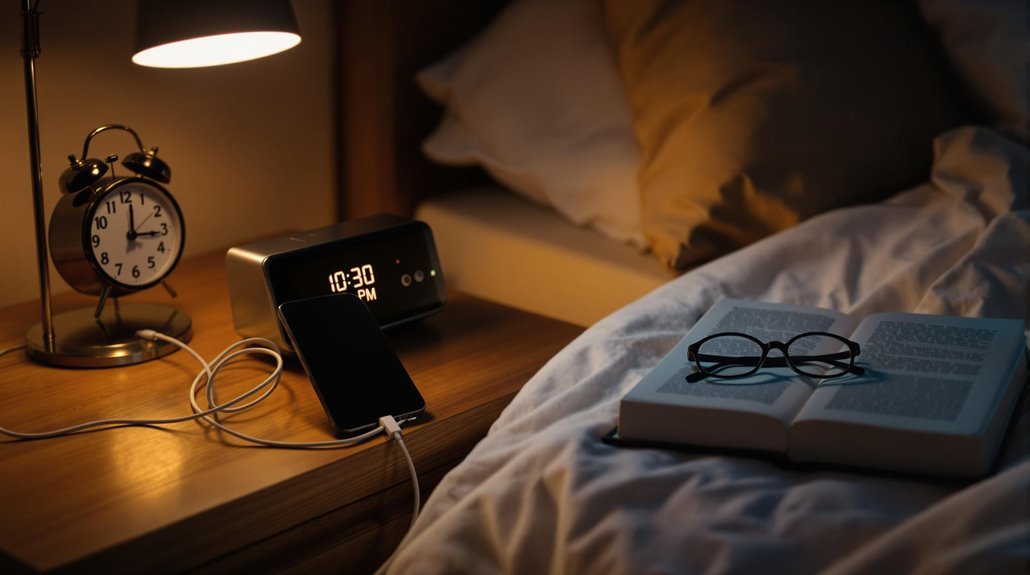
Modern technology has altered our evening routines, but screen time before bed can greatly impact your sleep quality. The blue light emitted from your phones, tablets, and computers disrupts your body's natural sleep-wake cycle, making it harder to go to sleep when you want to.
To get better sleep, establish a digital curfew 1-2 hours before your planned bedtime. During this time, avoid all electronic devices that emit blue light. If you must use your devices at night, activate their screen dimming or night mode features to minimize the harmful effects of blue light exposure.
Instead of scrolling through social media or watching videos before bed, switch to more sleep-friendly activities. Try reading a physical book, taking a relaxing bath, or practicing meditation. If you enjoy reading at night, consider investing in an e-reader with an e-ink display, as these devices don't emit sleep-disrupting blue light. By managing your evening screen time effectively, you'll help your brain naturally wind down and prepare for rest, leading to more consistent and restorative sleep patterns.
Smart Napping Guidelines
Taking a well-planned nap can enhance your energy and productivity, but timing is everything. When you feel the need for a midday rest, it's vital to follow smart napping guidelines that won't disrupt your regular sleep schedules. The perfect nap should last between 20-30 minutes and occur during the early to mid-afternoon hours, typically between 1-3 PM.
Your health and nighttime sleep quality depend on how well you manage your napping habits. While short naps can help compensate for occasional sleep loss, don't rely on them as a permanent solution for inadequate nighttime rest. Pay attention to how your naps affect your ability to fall asleep at night and adjust accordingly.
- Keep naps brief (20-30 minutes) to avoid entering deep sleep stages
- Schedule your nap between 1-3 PM for maximum effectiveness
- Use naps strategically when you've had insufficient nighttime sleep
- Monitor how napping impacts your regular sleep patterns
Remember that consistent, excessive napping can interfere with your natural sleep-wake cycle. If you find yourself needing frequent naps, it might be time to reassess your nighttime sleep habits and make necessary adjustments.
Relaxation Techniques Before Bed

Winding down before bedtime is essential for quality sleep, and effective relaxation techniques can make a significant difference in how quickly you drift off. By incorporating specific relaxation techniques into your bedtime routine, you'll train your body and mind to recognize when it's time for rest.
Start by practicing deep breathing exercises, meditation, or progressive muscle relaxation about an hour before going to bed. These techniques help reduce stress and anxiety that might keep you awake. You'll also benefit from taking a warm bath or shower roughly 1-2 hours before going to bed, as the subsequent body temperature drop promotes sleepiness.
Create a calming environment by playing soothing music or nature sounds, which can help quiet a busy mind. If you enjoy reading, pick up a book instead of your phone or tablet, as the blue light from electronic devices can interfere with your sleep patterns. Make sure you avoid screens for at least an hour before bedtime. For additional relaxation, try engaging in light, non-stimulating activities that help you move from daytime alertness to nighttime restfulness. These consistent practices will signal to your body that it's time to prepare for sleep.
Morning Light Exposure Benefits
Getting enough morning light can revolutionize your sleep quality and daily energy levels. Exposure to light during your morning routine acts as a natural sleep medicine, helping your body maintain a healthy sleep-wake cycle. When you're struggling with sleep problems, stepping outside or sitting near a bright window for at least 30 minutes each morning can make a significant difference in how well you rest at night.
Here's how morning light exposure helps improve sleep:
- It triggers your body to produce melatonin at the right time, making it easier to fall asleep when bedtime arrives
- It increases your daytime alertness and energy levels, preventing mid-day fatigue
- It helps reset your internal clock, especially if you're dealing with irregular sleep patterns
- It serves as one of the most effective natural sleep tips, without any side effects
Bedroom Temperature and Sleep Quality
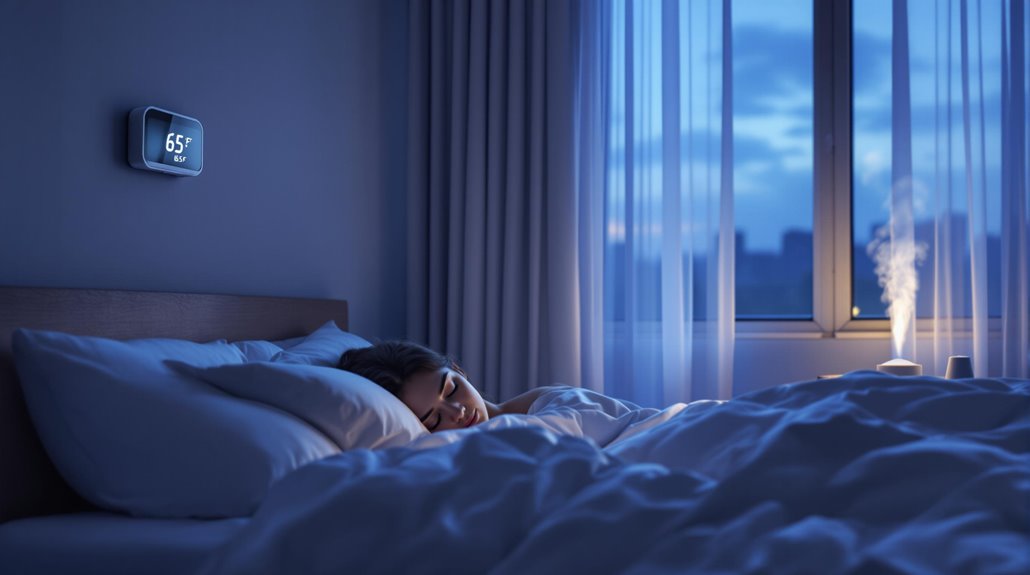
Temperature plays a key role in how well you sleep each night. Research shows that maintaining your bedroom temperature between 65°F and 70°F (18-21°C) creates perfect conditions for quality rest. This cooler environment helps your body produce melatonin, the hormone that regulates your sleep-wake cycle.
When your bedroom's too warm, it becomes one of the key factors that interfere with getting proper rest. High temperatures can make it hard to fall asleep and stay asleep throughout the night, potentially reducing both the amount of sleep you get and its quality. Of particular concern is how warmth affects your REM sleep, a pivotal stage for mental restoration and dream activity.
To optimize your sleep environment, keep your bedroom as dark and cool as possible. Consider using a programmable thermostat to maintain consistent temperatures throughout the night. If you're experiencing restless nights, check your room's temperature first - it might be warmer than ideal. By maintaining slightly cooler temperatures in your bedroom, you'll create better conditions for deeper, more restorative sleep, helping guarantee you wake up feeling refreshed and energized.
Evening Routine Essentials
While maintaining the right bedroom temperature sets the stage for quality sleep, establishing a proper evening routine reinforces your body's natural sleep signals. You'll need to be mindful of your caffeine intake throughout the day, avoiding that last cup of coffee in the late afternoon. Similarly, limit alcoholic beverages before bed, as they can disrupt your sleep patterns and reduce overall sleep quality.
Your bedtime routine should begin at least 30 minutes before you plan to sleep. During this time, put away all electronic devices to prevent blue light exposure from interfering with your natural sleep cycle. Instead, focus on activities that help you relax and prepare for rest.
Here are essential elements to incorporate into your evening routine:
- Take a warm bath or shower to help lower your core body temperature
- Practice gentle stretching or yoga poses designed for relaxation
- Read a physical book or engage in quiet meditation
- Listen to calming music or use breathing exercises to wind down
Remember to maintain consistency with your routine, as this helps train your body to recognize when it's time for sleep.
Caffeine and Alcohol Boundaries

Moderation plays an essential role when it comes to managing caffeine and alcohol consumption for better sleep. To improve your sleep quality, you'll need to establish clear boundaries with these substances, especially if you're having trouble sleeping. Avoid consuming caffeine within six hours of bedtime, as it can interfere with your ability to get a good night's sleep.
While you might think having a drink before bed while you watch TV helps you fall asleep, alcohol can actually disrupt your sleep cycle. Although it may initially make you drowsy, it often leads to poor sleep quality and frequent wake-ups during your eight hours of rest. Instead of relying on alcohol as a sleep aid, focus on developing healthier sleep habits.
Pay attention to how your body responds to both caffeine and alcohol. Everyone's sensitivity levels differ, so what works for others might not work for you. Track your consumption patterns and their effects on your sleep quality. If you notice that afternoon coffee or evening drinks are affecting your rest, adjust your habits accordingly to optimize your sleep schedule.
Stress Management for Sleep
Stress management stands up against sleepless nights as one of the indispensable factors in achieving quality rest. When you're feeling overwhelmed, your sleep quality suffers, making it imperative to develop effective stress-reduction strategies. By implementing relaxation practices into your evening routine, you'll find it easier to wind down and prepare your mind for sleep.
To make stress management work for your sleep schedule, consider incorporating these proven techniques:
- Create a to-do list before bedtime to organize tomorrow's tasks and prevent racing thoughts
- Practice gratitude journaling to shift your focus from daily worries to positive experiences
- Establish a digital curfew to minimize blue light exposure and reduce mental stimulation
- Engage in relaxation exercises like meditation or deep breathing to calm your mind
Weekend Sleep Pattern Adjustments

Despite the temptation to catch up on missed sleep, maintaining your weekday sleep schedule through the weekend plays an essential role in your overall sleep health. When you go to bed and wake up at consistent times every night, you'll help regulate your body's internal clock and improve your sleep quality throughout the week.
To maintain healthy weekend sleep patterns, avoid sleeping in late, even if you feel sleepy. Instead, focus on getting the same hours of sleep you'd typically get during weekdays. If you need to adjust your weekend schedule, do it gradually to prevent disrupting your workweek rhythm. Here are practical tips to help you stick to your routine: limit daytime naps to prevent nighttime sleep interference, and schedule relaxing activities earlier in the day rather than late at night.
Remember that consistency is key. When you maintain regular sleep patterns seven days a week, you'll experience better sleep quality, improved daytime alertness, and a more stable circadian rhythm. Your body will thank you for keeping a steady sleep schedule, making it easier to wake up refreshed and energized every morning.
Physical Comfort During Rest
Creating the right physical environment for sleep builds upon maintaining consistent sleep schedules. Your physical comfort during rest relies heavily on several key factors that you'll need to optimize for better sleep quality. Start by ensuring you have the right mattress and pillow combination that provides proper support for your body type and sleeping position. The ideal room temperature should fall between 65°F and 70°F, as this range helps your body maintain its natural sleep-wake rhythm.
To maximize your comfort during sleep, consider these essential elements:
- Invest in ergonomic bedding that aligns your spine and prevents unnecessary physical strain
- Install blackout curtains to eliminate disruptive light exposure that could interfere with your rest
- Use earplugs or white noise machines to minimize ambient sounds that might disturb your sleep
- Remove electronic devices from your bedroom to reduce potential distractions
Establish a pre-bed routine that helps you wind down, such as taking a warm bath or doing gentle stretches. These activities signal to your body that it's time to shift into sleep mode, making it easier to fall asleep and maintain quality rest throughout the night.